Table of Contents:

What Your Guide Really Wishes You Knew
From the people who walk beside you
Most trekking articles are written from the client's side of the conversation. This one is written from ours.
We have spent years walking beside people from every corner of the world as they see these mountains for the first time. Somewhere along the way, a few of us started wishing we had a little more time to share what we have learned, quietly, the way you might over a cup of tea at a teahouse table rather than in a rushed briefing. This is our attempt at that conversation. We have guided the Everest region, the Annapurna Circuit, Annapurna Base Camp, Manaslu, Mera Peak, the Everest Three Passes, and gentler routes like Yala Peak and Langtang, and what follows is simply what we have noticed, offered with real warmth and the hope that it makes your trek a little easier.
01. Before You Land, a Few Small Kindnesses
Think of your itinerary as our best guess, made with care
We build every itinerary from years of watching how bodies respond to these altitudes, and we do our best to get it right. Even so, weather shifts, flights wait for clearer skies, and some days your body simply needs something different than the plan expected. When we suggest a change, we hope you will feel it as care rather than as a problem. Our only goal, always, is to help you arrive at each place feeling well.
Please tell us about your body, even the small things
We are not doctors, and we are not asking for your full medical history. But if you live with asthma, have had knee surgery, take medication for blood pressure, have any kind of allergies or know that stress sometimes brings on a migraine or a panic attack, we would love to know before the trek begins rather than partway through it. Nothing about this makes you any less capable or any less welcome on the trail. It simply helps us take better care of you, especially somewhere as remote as these mountains can be.
A note on insurance
Many travel insurance policies quietly stop covering you somewhere between 3,000 and 4,000 metres, and it is easy to miss this detail among the fine print. Everest Base Camp sits at 5,364 metres. Thorong La on the Annapurna Circuit crosses 5,416. Kala Patthar, a favorite add-on for Everest Base Camp trekkers, reaches 5,545. We would love for you to check that your policy names helicopter evacuation clearly and covers you above your trek's highest point, so that if anything ever happens, help can arrive without delay or worry about paperwork.
02. Your Journey Starts Here, Long Before You See a Mountain
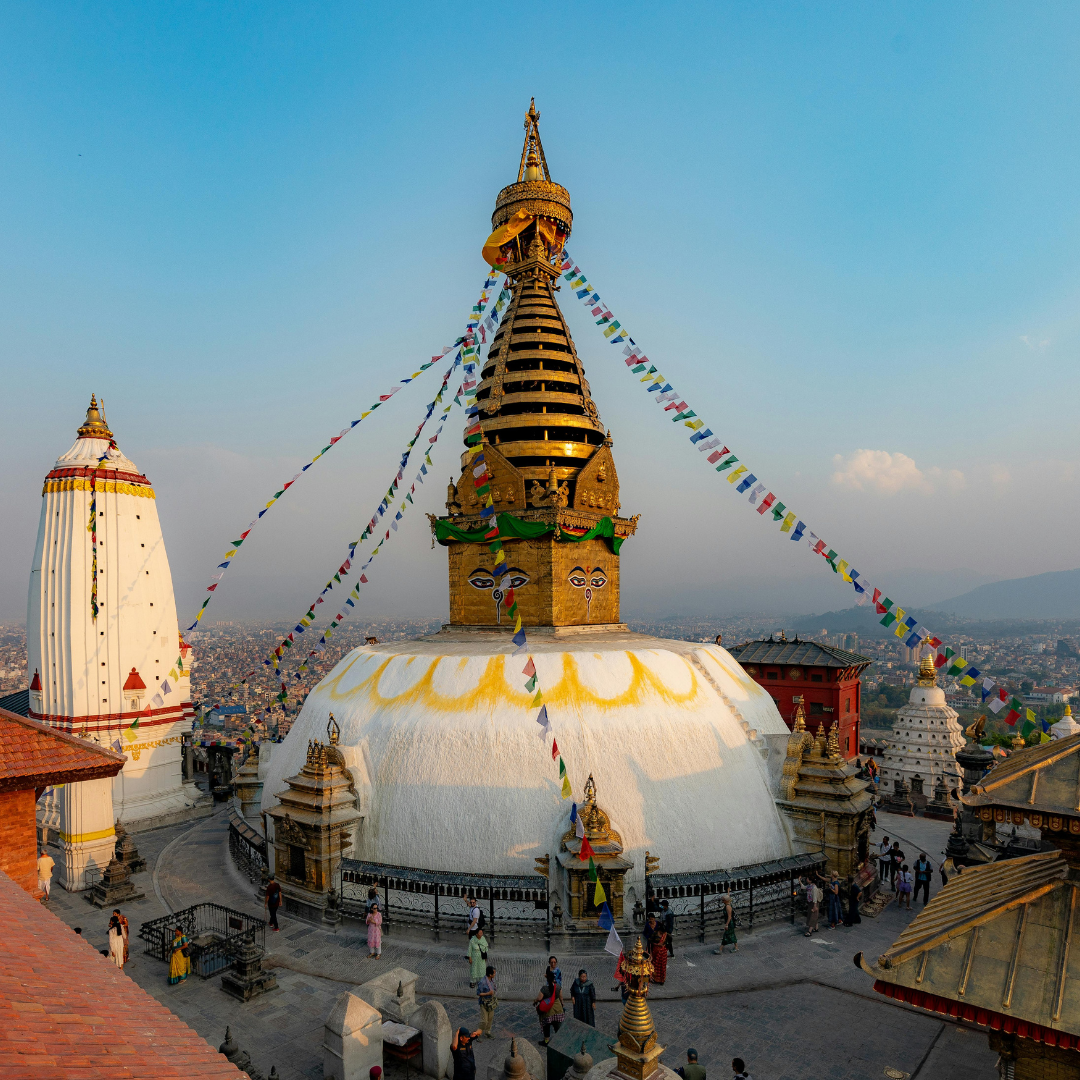
Most itineraries are shaped the same way. You land in Kathmandu on day one, and within a day or two you are on a flight to Lukla or a drive toward Pokhara. We know this, and we are not going to ask you to add days you may not have. What we would love to offer instead is a way to make the most of the evening you do have.
Your body has just crossed time zones, and for many of you, gone from sea level to Kathmandu's 1,310 metres in a single flight. It is tempting to spend that first evening wandering Thamel's markets or fitting in one more errand. If you can, we would suggest resting a little more than you think you need, drinking more water than feels necessary, and giving the pre-trek briefing your full attention.
The briefing is where we start understanding each other
Please bring your questions, even the ones that feel small. This is the one quiet hour we have together before the trail takes over, and we would always rather spend it making sure you feel clear and comfortable.
One small thing that might help: Nepali conversation often leans toward softness rather than bluntness, even when the honest answer is not the one you were hoping for. If you ask your guide whether tomorrow looks good and the answer feels a little hesitant, it is worth asking a second, more direct question, something like, "Is there anything I should be prepared for tomorrow?" We will always answer honestly. Sometimes it just takes a gentle nudge to get there, and we are always happy to be asked again.
03. The Flight That Decides Everything
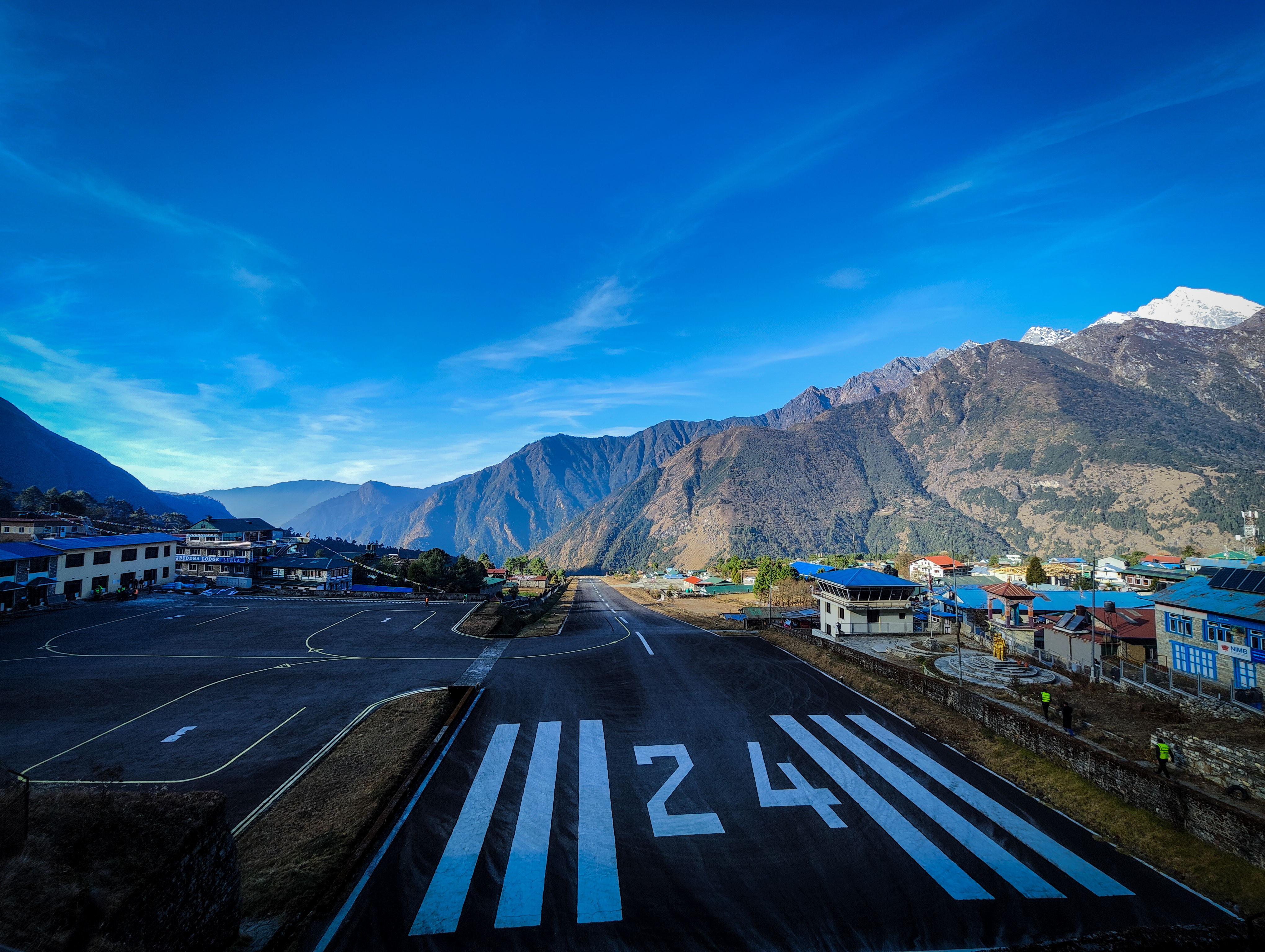
Few things test patience the way the flight to Lukla can, and few things teach us to hold plans loosely the way these mountains do either.
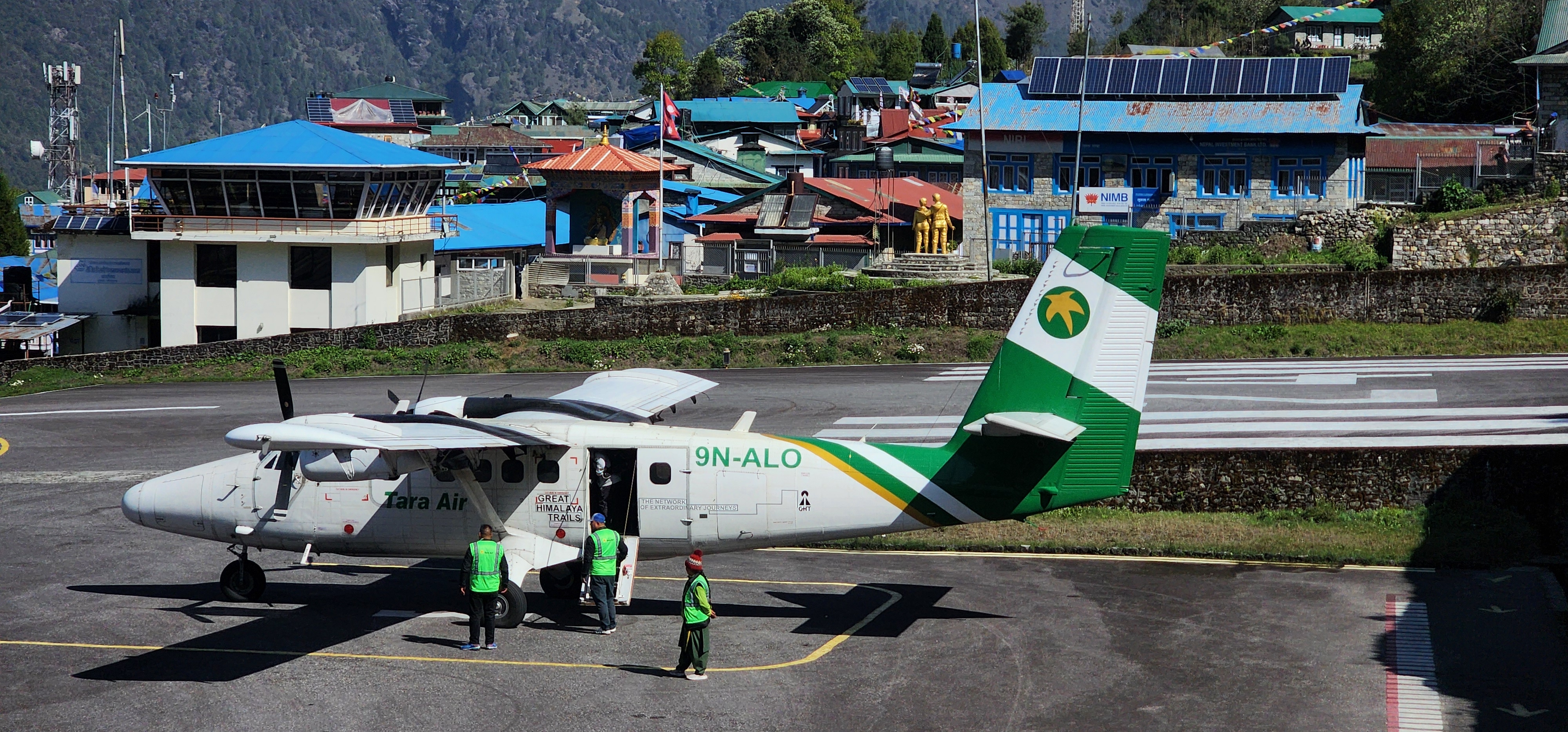
The runway at Tenzing-Hillary Airport is 527 metres long, set on a slope, and ends at a mountainside. There is no instrument landing system, so pilots fly by sight, and cloud, wind, or fog anywhere along that short corridor can ground flights for a few hours or a few days. During peak seasons, flights shift to Ramechhap airport, a drive of about 6-7 hours from Kathmandu.
We cannot ask the weather to co-operate. All we can do is prepare you for a window rather than a fixed time.
If a flight is delayed, please know it reflects the mountains, not a lapse in planning on our part.
Why we ask for a buffer day, especially in the Everest region?
Of all the regions we guide, the Everest region asks for the most patience around flight timing, simply because Lukla can only receive a limited number of flights each day, and delays there rarely stay contained to a single day.
A cloudy morning does not just push back that day's flights. It pushes everyone already waiting further down the queue, and if the weather does not clear quickly, that backlog can take a day or two to work through once flying resumes. We have watched trekkers lose days waiting not because of one difficult morning, but because that morning arrived at the end of several already-delayed ones.
This is exactly why a buffer day matters so much here. If your international flight home is booked for the same day, or even the day right after, your scheduled return to Kathmandu, a day or two pileup during a busy week can mean missing it entirely, along with the cost and stress of rebooking from the other side of the world. A single buffer day, if you are able, absorbs that pileup quietly. A delay becomes an extra cup of tea in Kathmandu instead of a missed connection and a scramble at the airport.
04. On the Trail, Together
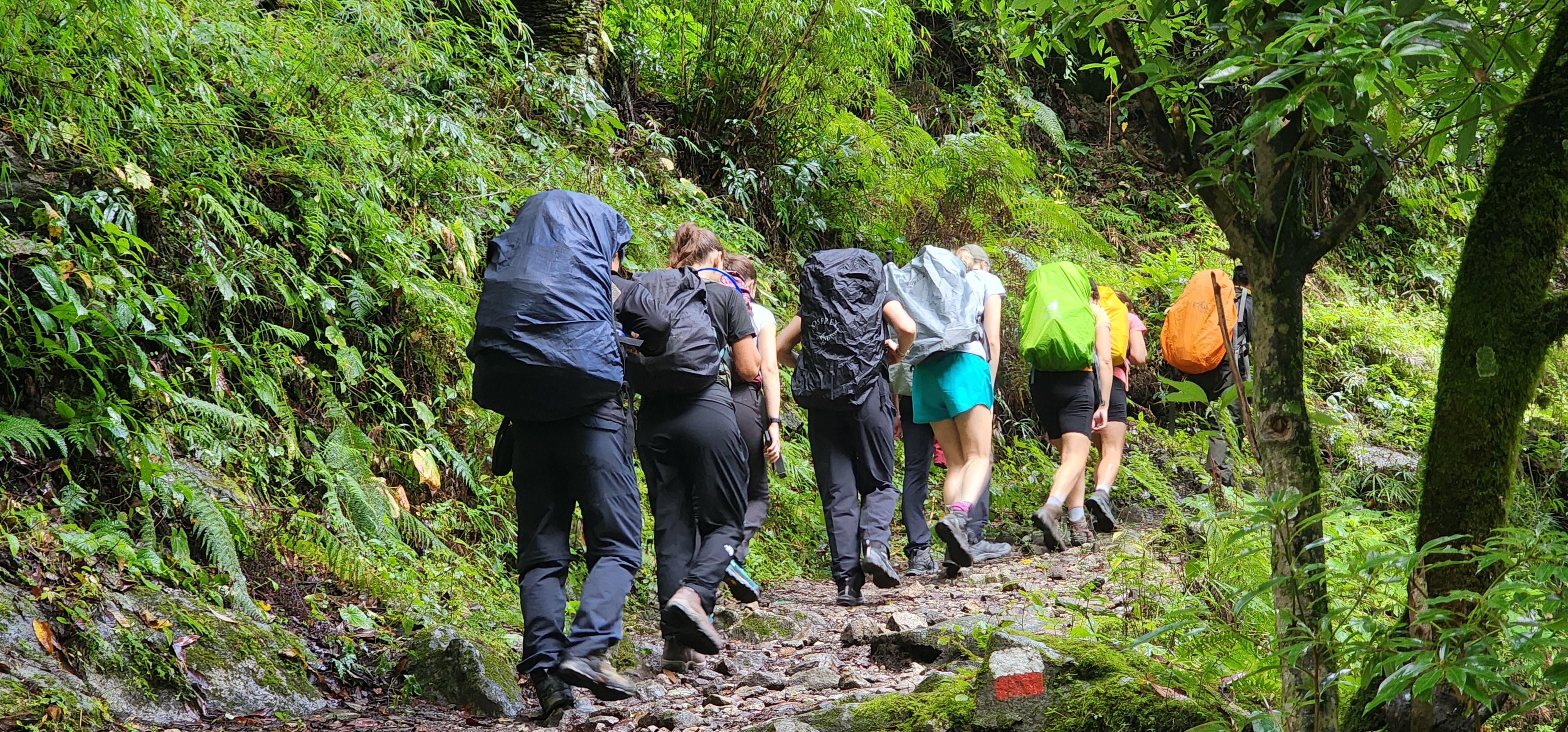
"Bistari, bistari" comes from care, not doubt
You will hear this often: slowly, slowly. It can feel unnecessary if you are used to running or climbing regularly at home. What years on this trail have shown us, and what the science of altitude backs up gently but firmly, is that fitness has surprisingly little to do with how a body handles thin air. We have walked beside marathon runners who needed to turn back near Lobuche, and beside slower, steadier trekkers who reached Everest Base Camp without a single symptom. What matters most is how gradually you climb. When we ask you to slow down, we are looking after your oxygen levels, never questioning your strength.
Sleep is doing quiet, important work
Somewhere between 60-80% of people trekking above 3,500 metres experience real altitude insomnia, waking with a pounding heart, feeling as though something is wrong. Usually nothing is. This is periodic breathing, an irregular breathing pattern that is a normal response to thinner air, unsettling the first time but not dangerous on its own. What we do like to know about is a night with no sleep at all paired with a strong headache and no appetite the next morning. Please tell us if that happens, so we can look after you properly.
A few small things tend to help: changing out of anything damp before bed, swapping coffee or black tea for ginger or lemon tea after early afternoon and getting into the bed on time rather than staying awake till late!
Eating, even without much appetite
A quieter appetite is often one of the earliest signs your body is working hard to adjust, more than it is a simple preference. Dal bhat, the lentils, rice, and vegetables found on nearly every teahouse menu, earns its place for good reason. It is easy to digest, full of real calories, and usually refilled without extra charge. We would love for you to eat a little more of it than you feel like some days. Your body is burning far more energy up here than it does at home, appetite or not.
Water, more than you think you need
Cold air quietly suppresses thirst even as faster breathing and dry mountain air pull more fluid from you than usual. Around 3 to 4 litres a day is a good guide, more on longer days, even when you do not feel particularly thirsty. Dehydration can mimic and worsen the same symptoms as altitude sickness, and more than once we have watched a worried trekker feel much better after simply drinking 2 litres of water and having a proper meal.
Why twin sharing stays the norm, even for two people who would love a room each
Teahouses higher up the trail are small, and the higher you climb, the limited rooms there are to offer. Twin sharing is partly a simple matter of space. But there is a reason behind it too. Having someone else in the room overnight means a restless night, an unusual cough, or a headache mentioned before sleep is noticed far sooner than it would be behind a closed door down an empty hallway. Two people in a small room also keep each other warmer through nights that regularly drop below freezing.
If you are traveling alone and would like a private room in the city areas, let us know in advance and we will do what we can, though please expect twin or even sometimes triple and quad (in specific places) sharing to become the norm the on the trail of your trek climbs.
05. Your Safety Matters More Than Any Summit
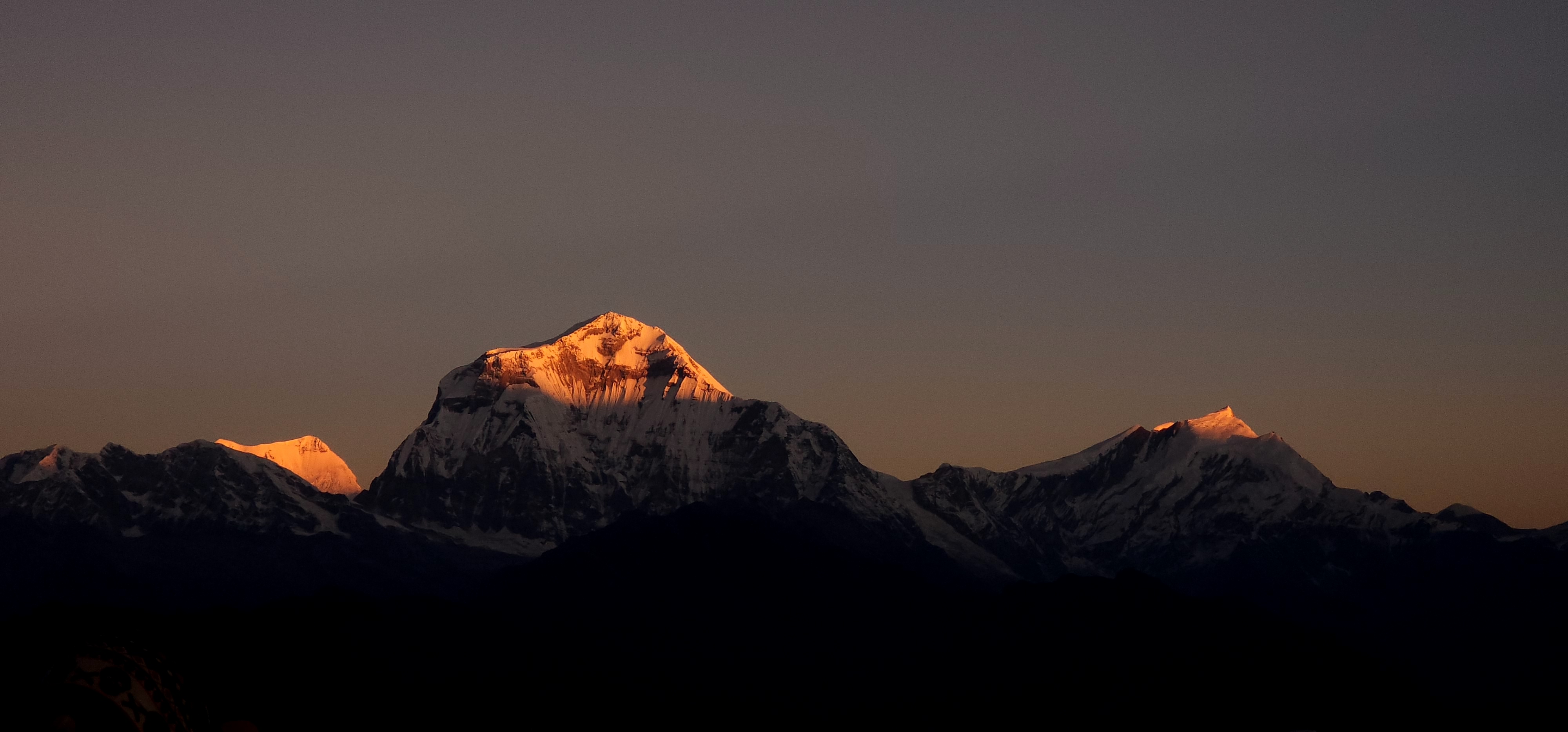
The one thing we hope you remember most
These mountains have stood here for millions of years, and they will still be here whenever you are ready to return. Your health only gets one chance, this one. If your guide tells you, it is not safe to continue, please trust that moment fully. Turn around. No questions asked, no explanations needed from you. We will always share our reasoning if you would like to hear it, but the decision itself is one we hope you will trust completely, the same way you would trust a pilot who decides to delay a flight for weather. Coming home well matters far more to us than any summit ever could.
We know how much this trip means to you. Many of you have trained for months, saved for a long time, and carried a dream of a particular view or a particular pass in your mind long before landing in Nepal. We hope with all our hearts that you reach it. And we also hope you will let us hold your safety a little more tightly than your itinerary, because a view can always be returned to, and your wellbeing is the only thing that truly cannot wait.
The cost already spent is not a reason to keep going
It is only natural to think about everything a trip has cost, in money, in time away from home, in the training that came before it, when a hard decision arrives. We understand this completely, and most of us have felt some version of it ourselves. But whatever has already been spent stays spent whether you continue or turn back. The only real question left is what happens from here, and we would be glad to think it through with you honestly, without letting a number that already belongs to the past weigh more than it should.
06. The Conversation We Hope to Have Every Evening
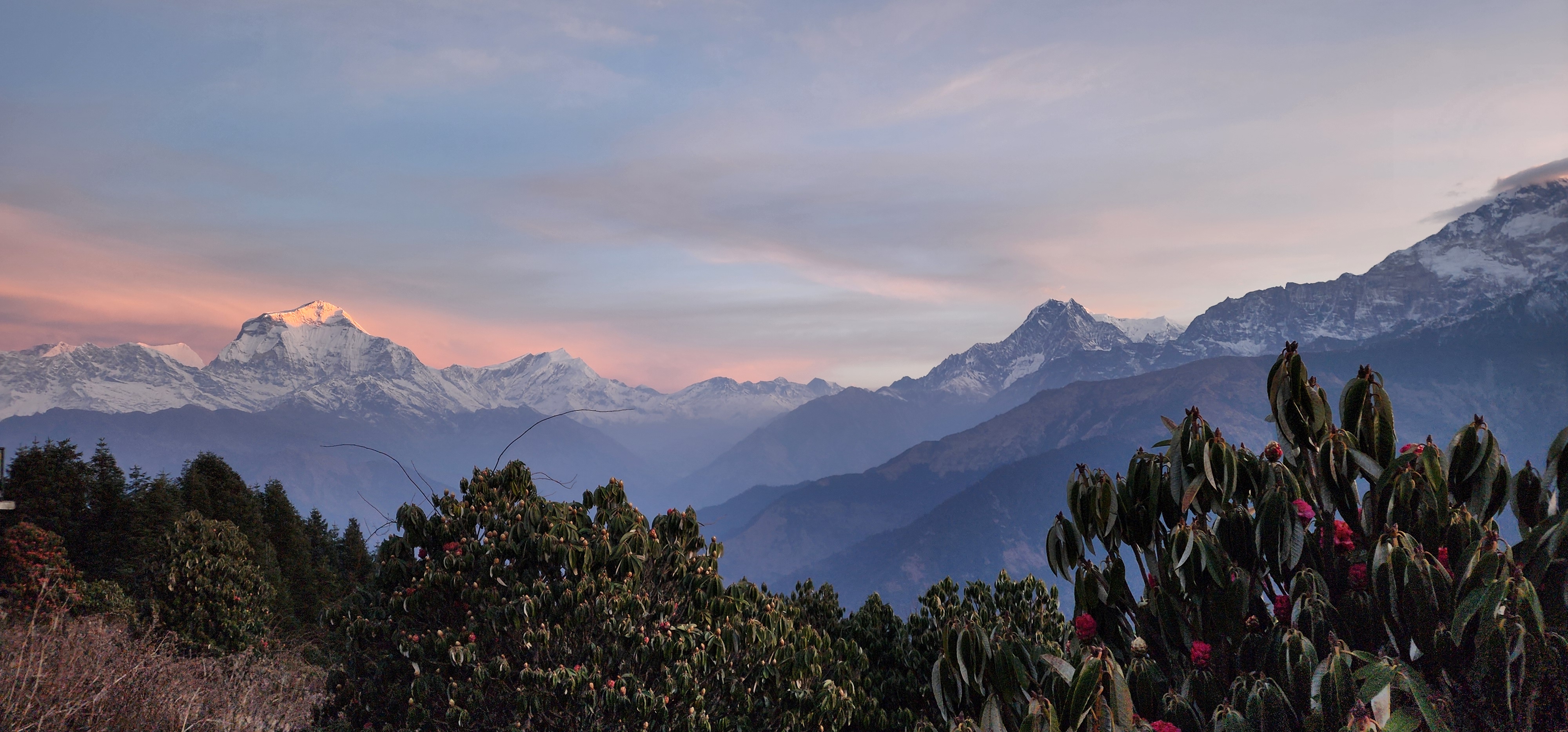
Acute Mountain Sickness has nothing to do with how strong you are
AMS typically begins somewhere above 2,500 to 3,000 metres, which on the Everest Base Camp trek can mean symptoms starting not long past Namche Bazaar, and on the Annapurna Circuit or Manaslu, around a similar point. The early signs are gentle and easy to miss: a dull headache, unusual tiredness, a smaller appetite, restless sleep. Any single one might mean very little. Together, or growing stronger, they are simply your body asking for a little more time. Left unattended, AMS can occasionally progress into fluid building in the lungs or brain, both genuinely serious and both treated the same way, with a calm and immediate descent.
What we check each evening
How a headache feels, and whether rest or paracetamol eases it. Appetite. How the previous night's sleep actually went. Balance, sometimes a slow line walked heel to toe. Oxygen levels at higher elevations, checked with a small device on your finger. None of this is about worry. It is simply how we make sure nothing quiet becomes something serious.
Telling us the truth is one of the kindest things you can do, for both of us
We understand completely why someone might want to downplay a headache. Months of preparing, a story already shared with people back home, a trekking partner you do not want to burden. Please know that telling us honestly does not mean your trek is over. It simply means we can slow the pace, add rest, or watch a little more closely. What we would love most is your honesty, offered as early as possible, so that a small adjustment can do the work before anything bigger needs to.
We have turned people around not far from a pass. Nearly every one of them thanked us afterward, once they had rested and felt like themselves again.
Why the final call belongs to your guide?
On any trek with a high pass, whether Thorong La on the Annapurna Circuit, Kongma La, Cho La, and Renjo La on the Three Passes, or a summit push on Mera Peak or Yala Peak, there can come a point where continuing carries real risk. This is why the decision to turn back sits with your guide, drawing on years of experience with these exact conditions. We hope you will feel this as a kind of care rather than a loss of choice, because in truth, it is the same care that brought you here safely.
07. A Little About Food
Meat at high altitude teahouses often travels a long way, sometimes along the very trail you are walking, without steady refrigeration the whole distance. This is why many guides encourage vegetarian meals above a certain altitude, purely as a way of keeping you well rather than any particular philosophy about food. An upset stomach at 4,000 metres, along with the fluid it costs you, can make acclimatizing noticeably harder, and it is one of the more avoidable reasons a trek sometimes needs to pause.
If you have allergies, intolerances, or dietary practices that matter to you, we would love to know before the trek begins rather than once a menu is already in front of you. We plan around this with teahouse owners along your route. A restriction we learn about partway up a mountain, somewhere with only a few dishes on offer, is much harder for us to look after well.
Where you can, boiled water is a kind choice, both for your body and for these trails, which already carry more plastic waste than we would like to see.
08. Mountain Weather Belongs to No One
No itinerary and no amount of research can promise clear skies. We have stood with trekkers at Kala Patthar in complete stillness with Everest fully visible, and stood with others at the very same spot in a soft whiteout with barely a few metres of visibility. Both had trained the same way and walked the same route. The difference was simply the mountain's mood that morning.
Spring and autumn tend to be the gentlest seasons across most Nepal treks, though even then, temperatures can swing widely within a single afternoon above 4,000 metres. We would suggest packing in real layers and holding your summit photo a little loosely, letting the villages, monasteries, and evening conversations along the way matter just as much as those 15 minutes at the top, however they turn out.
09. This Land is Our Home, Too
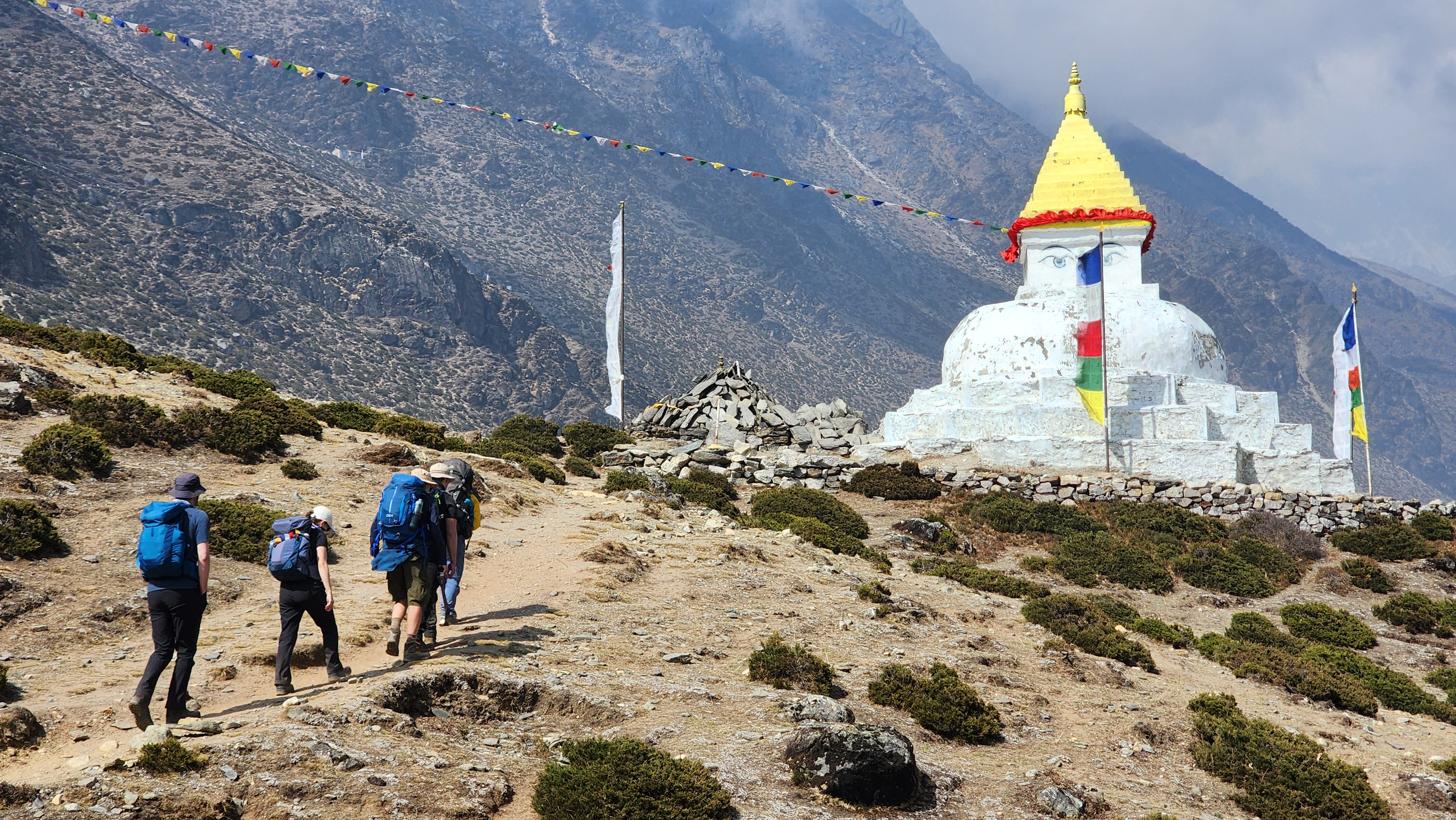
Here is the one thing we would want you to carry above everything else in this article. For you, this trek is a journey to somewhere far away. For us, it is a walk-through home. The villages you pass through hold our relatives, our childhood memories, our own first steps on these same paths as children following our fathers and uncles. We would love for you to walk through it the way you might walk through a friend's home rather than a destination, with a little curiosity about the people in it, not only the peaks above it.
A few small customs that mean more than they seem
Around mani walls, prayer wheels, and stupas, the custom is to pass on the left, keeping them on your right-hand side. Spinning a prayer wheel is welcome, always clockwise. A simple namaste, hands together, offered to anyone you pass, tends to open doors that a wave never quite does, and Dhanyabad, a gentle thank you, is worth learning in your first hour here.
Ask before you photograph someone
It is a small habit that changes the whole exchange. A monk walking to a monastery, a grandmother sorting barley on a rooftop, a child playing near a mani wall, these are ordinary moments in someone else's life, not scenery arranged for a camera. A smile, a gesture toward your camera, and a pause for a nod takes a few seconds and turns a photo from something taken into something offered. Most people along the trail are happy to be photographed once asked. Almost everyone appreciates simply being asked at all.
The dining room is where the trek actually happens
Teahouse dining rooms, warmed by a single stove burning yak dung or wood, are where the whole day settles each evening. We would love for you to spend your evenings there rather than retreating early to a cold room alone. It is easier for us to notice how you are doing, and it is usually where the best conversations of the whole trip happen anyway, between trekkers, porters, guides, and whoever else has wandered in from the cold.
The people carrying your bags are carrying more than weight
Porters often walk the same distance you do, sometimes twice in a day, carrying loads that would stop most of us after an hour. A kind word, learning a porter's name, or simply acknowledging them the way you would your guide, costs nothing and is remembered longer than you might expect.
10. The Way Down Deserves Care Too
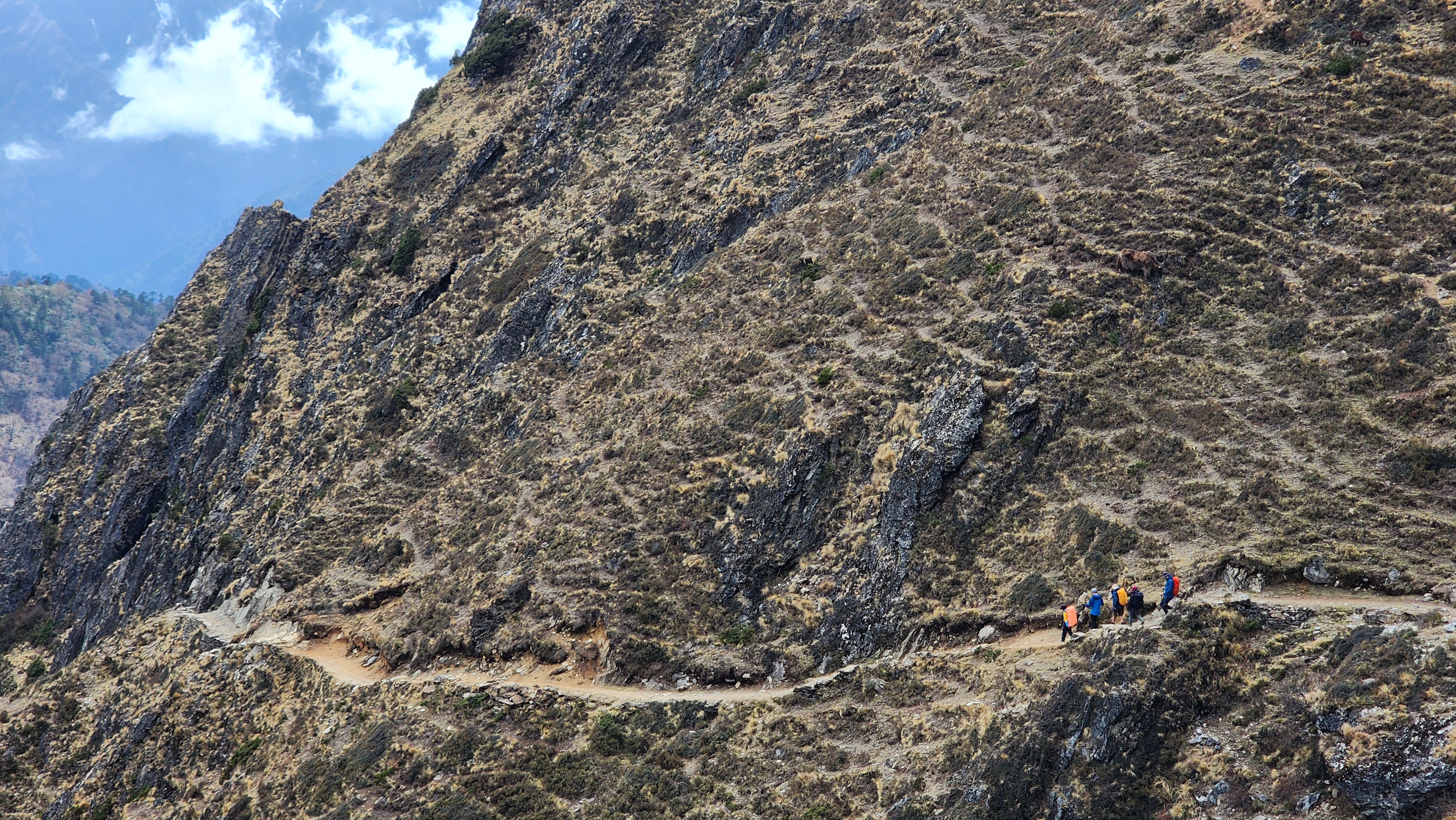
This is a part almost nobody mentions, and it is where we quietly see more tired knees and small injuries than on the climb up. Reaching Everest Base Camp, Annapurna Base Camp, Thorong La, or a peak summit brings such genuine relief that it is easy to let your guard down completely on the way back. Knees and ankles, already asked to work hard on the way up, carry even more on the way down, and moving too quickly downhill is one of the more common reasons a trek ends with a sprain rather than a smile.
The trek is not quite finished at your highest point. It is finished once you are safely back in Lukla or Kathmandu. We would love for you to keep the same gentle pace and the same honesty about how your body feels all the way down, not only on the way up.
A Final Word, What We Actually Wish for You
The trekkers who leave these mountains feeling most changed are rarely the ones who had a flawless, uneventful trip. More often, they are the ones who told us honestly how they were feeling, ate the right food even without much appetite, met a weather delay with patience, and let go of the idea that a trek is something to conquer rather than something to walk through, alongside people who have walked it many times and still find it beautiful every single time.
Give us your honesty, your patience, and a little of your trust. We will do everything we can to give you the rest.
See you on the trail, whenever you are ready.
The guiding team at Freedom Adventures
KEEP EXPLORING
Uncover similar insights
Day-by-Day Demands, Training Plan, and Mental Grit