
Kathmandu Travel Guide
Essential Tips for Your First 48 Hours
Most trekkers land, sleep off the flight, tick a temple or two, and head for the hills. They'll come back from the mountains talking mostly about the mountains. Nothing wrong with that. But the ones who gave Kathmandu two proper days? They come back talking about both.
Arriving in Kathmandu
Tribhuvan International Airport handles every single international arrival into Nepal through one terminal. It is not large by international standards, which is simultaneously its greatest asset (short walks, easy navigation) and its greatest liability (everything happens in the same small space at once). On a busy morning, it feels like it might not survive the pressure. It always does.
Your Freedom Adventures representative will be waiting in the arrivals hall with your name on a sign. You do not need to figure out a single thing from the moment you walk out of baggage. That said, there are a few things worth knowing before you step outside.
Get a SIM card before you leave the terminal.
If you'd like to stay connected during your time in Nepal, Ncell and NTC both have counters inside the arrivals hall. A single SIM gives you reliable 4G data for your entire stay (though be aware that signal becomes patchy or disappears entirely in remote mountain areas, particularly on the higher sections of your trek). Bring your passport. Takes about ten minutes. Worth doing before you step outside.
Currency exchange.
There are licensed exchange counters at the airport if you need immediate cash. Rates here are reasonable. Thamel also has exchange counters on practically every lane, open late, at competitive rates.
Airport: Watch Out For
Taxi overcharging at the exit (if you are making your own way to the hotel)
The moment you step outside arrivals, drivers approach. Fares quoted are almost always inflated. Use the prepaid taxi counter outside the arrivals hall; government fixed rates, receipt provided, no negotiation. Walk past everyone who approaches you outdoors without making eye contact.
Unsolicited "helpers"
People will offer to carry bags, guide you to the taxi rank, or direct you somewhere useful. They expect payment and will not take no with grace. You do not need them. Our representative will find you in arrivals, and stay in the hall until you see the sign with your name.
Baggage belt
The hall is crowded, and the belt is slow. Don't put your bag down on a trolley and wander off to check your phone. Bags left unattended disappear quickly in busy arrivals halls everywhere in the world. This is not unique to Nepal, but worth repeating.
Food and water: read this before your first meal in Kathmandu.
Tap water in Nepal is not safe to drink. Use bottled or hotel-filtered water for everything.
For the first 48 hours especially, go easy on street food from carts, raw salads at unknown restaurants, and heavily spiced dishes your stomach has not adjusted to yet. This is not about being cautious for its own sake. An upset stomach two days before your trek is a real problem. Give your body time to settle.
Everything You Need to Know About Life in Thamel
Dense, loud, oddly addictive. The guests who arrive most skeptical almost always leave most reluctantly.
Thamel is roughly two square kilometres of controlled chaos. Lanes barely wide enough for two people and a motorbike, which does not prevent three people and two motorbikes from attempting it simultaneously. Every third shopfront sells outdoor gear. A thanka gallery shares a wall with a pizza restaurant which shares a wall with a pharmacy. It smells of incense, diesel, and masala chai at the same time. Somehow it all works, and by the end of day two you'll have a favorite route through it that isn't on any map.
Know your north from your south.
North Thamel (towards Paknajol) is quieter; guesthouses, the indoor climbing walls, fewer crowds, more locals. South Thamel near Chaksibari Marg is where the restaurants, bars, and densest energy concentrate. Two minutes of orientation from your hotel team saves an hour of confused wandering.
Thamel's ancient name was Tamba Bahal. It began as a neighborhood of Buddhist monasteries and traditional Newar courtyards. Look carefully and you'll still find bahal, monastery courtyards tucked behind ordinary-looking doorways on the inner lanes, completely intact, still inhabited, totally indifferent to the tourist world just outside their gates.
In Thamel, Be aware of:
The "family shop" approach
A warm stranger, a genuine-feeling conversation, and eventually: "my uncle has a shop nearby; carpets, gems, thankas, just five minutes." This pattern has run in Thamel for decades. Nepali hospitality is real and extraordinary. This is just the small commercial version of it. A warm "no thank you" works perfectly well.
Counterfeit gear
North Face, Patagonia, Arc'teryx, if it's in a lane at 15% of retail, it's a replica. Some hold up fine for casual city use. None belong on a high-altitude trek as your primary layer. A jacket that looks like a down jacket but contains mostly polyester will make you very cold at 4,500m. Don't find this out on day three of a ten-day route.
Motorbikes from unexpected directions
They come from directions you didn't think were directions. Including occasionally the pavement. Don't zone out in narrow lanes, look both ways even in alleys that appear pedestrian-only. The bikes aren't aggressive; they're just confident about spaces that don't look like gaps.
Unlit back alleys after midnight
Main Thamel lanes stay lit and active late into the night. Narrow, unlit back alleys at that hour have no reason to be walked alone by anyone. Stick to streets with people and lights. There's always plenty of both on the main routes.
Stay Street Smart
Kathmandu is genuinely safe. A few habits keep it that way throughout your stay.
Nepal consistently ranks among the safest destinations in South Asia for international travelers. Violent crime against tourists is rare enough to be newsworthy when it happens. That said, any tourist-dense neighborhood anywhere in the world attracts opportunistic situations that a little awareness prevents entirely. None of what follows is dramatic. All of it is avoidable.
Pickpockets in crowds
Main hotspots: Thamel lanes, Asan Bazaar, Durbar Square. Front pockets or zipped bags. Passport and large cash in a money belt under clothing.
Traffic: no pedestrian priority
Crossings are guidelines, not rules. Zebra crossings exist but not everywhere. Look both ways twice before stepping out. Cross alongside locals when you can. They know the rhythm of this traffic in a way that takes visitors days to learn. Never assume a vehicle will stop for you.
Always carry some cash
Small restaurants, rickshaws, temple entries, market stalls: cash only. Cards work at mid-range and above but not everywhere. Keep a daily amount accessible; large cash lives in the hotel safe.
Count your change at forex counters
A quick theatrical flick through a stack of notes while talking fast is a classic short-change technique. Count everything before you leave the window. Nobody will rush you.
Phone in hand is an easy target
Screenshot maps before heading out, then pocket the phone. In Asan Bazaar especially, keep it put away.
City Guides
Be cautious of individuals who approach you on the street claiming to be city guides or offering to show you around. These are almost always unlicensed, and the tour typically ends at a shop where you're expected to buy something. For any city tour, heritage walk, or guided experience, contact us directly or use a registered, licensed operator. Never hire a guide from the street.
Street dogs
Most are calm and indifferent. Do not approach, pet, or feed them. Bites are rare but need immediate attention.
One habit worth building immediately:
Passport, visa, travel insurance: save copies in your phone gallery and email. Leave the physical passport in the hotel safe unless you need it that day. Digital copies cut hours off any lost-document process.
If anything goes wrong, call us first.
Not as a last resort, as a first call. We are your fastest route to sorting any situation. Our number is in your welcome note. Save it before you leave the hotel on day one.
What to See in and Around Thamel
Start here on day one. These are the places that give you your bearings, absorb the texture of the city, find your pace, let Kathmandu begin its work before you think about anything further afield.
5 Min Walk
Garden of Dreams
A neoclassical garden that cuts out Thamel's noise the moment you step through the gate. Pavilions, fountains, Kaiser Café in the corner. Five meters of gate and you are in a different city. Best before tour groups arrive in the morning.
5 Min Walk
MoNA: Museum of Nepali Art
Inside the Kathmandu Guest House complex. Nepal's first dedicated art museum: 500 works spanning traditional Nepali painting, sculpture, and contemporary art by living Nepali artists. Compact but genuinely impressive, with rotating thematic exhibitions throughout the year. Comfortable 30 to 40 minutes.
15 Min Walk
Asan Bazaar & Indra Chowk
A wholesale spice and grain market running on the same lanes since the old Tibet to India trade routes. No tourist infrastructure, just actual commerce in an ancient space. Walk slowly. Buy Timur pepper or Himalayan salt. The medieval lanes of Indra Chowk connect directly.
20 Min Walk
Kathmandu Durbar Square
50-plus temples, the Kumari Ghar (home of the Living Goddess), the Hanuman Dhoka Palace. Many structures still being restored after the 2015 earthquake. Go early morning. A guide changes the experience entirely.
10 Min Walk
Thamel's Hidden Bahal Courtyards
Thamel grew from Buddhist monastery courtyards. Behind ordinary doorways on the inner lanes, several survive intact: shrines, prayer wheels, monks' quarters. No signs point to them. Walk slowly and look for doors that do not lead to shops.
30 Min Walk or Short Ride
Swayambhunath (The Monkey Temple)
365 stone steps to a hilltop stupa with views over all of Kathmandu. The monkeys were here before anyone else and act accordingly. Go at sunrise. Keep bags zipped! The monkeys are professionals at unzipping things in the time it takes you to look at a view.
15 Min Walk
Thamel's Art & Craft Lanes
The inner lanes between Paknajol and Chhetrapati house active thanka painting studios, wood carving workshops, and bronze casting ateliers where artisans work in full view of the street. Walk slowly enough to stop and watch. Most artisans welcome observers without ceremony. These are among the best unplanned conversations Thamel offers.
What to Eat in Thamel
Kathmandu's food scene has surprised every generation of travelers. There is one important thing to know before you dive in.
Before the recommendations: your stomach is not acclimatized on day one. New bacteria, new food environment, possible jet lag, possible mild altitude effect.
First 48 hours: avoid
Street food from carts, heavily spiced dishes, tap water anywhere (including brushing teeth), raw salads from unknown establishments, ice in drinks at small local spots. This is not about being unadventurous. It's about making it to the trailhead in good shape. There will be time for everything else.
Once you're settled, Thamel has a genuinely excellent food scene, far better than its reputation as a tourist neighborhood suggests. Here is what's worth your time:
Dal Bhat; Nepal's National Dish, and Yours for the Next Two Weeks
Lentil soup, steamed rice, seasonal vegetable curries, pickle, sometimes meat. What every porter and guide eats twice a day. There is a saying on trail: "dal bhat power, 24 hour." It is not a joke. Refills are almost always free. Start eating it in Kathmandu so trail version does not come as a surprise.
Momos: Thamel Momo Hut
Steamed dumplings, about 20 varieties, open kitchen. Start with steamed veg or chicken while your stomach settles. Once it has, the garlic momo is why people come back. Go before noon or after 2pm to avoid the queue.
Roadhouse Café: Wood-Fired Pizza
Stone oven, house-made dough, Mediterranean interior on Chaksibari Marg. Consistently among the highest-rated restaurants in Thamel across every platform for years. The four-cheese pizza and cajun potato wedges are what repeat visitors order. Garden patio for unhurried lunches. Go before 7pm to avoid the dinner queue, this place fills up reliably.
Fire and Ice Pizzeria: A Kathmandu Institution Since 1995
Italian-run since 1995, widely considered the finest Italian restaurant in Nepal. Wood-fired pizzas, imported ingredients, excellent gelato. When you have had a few days of unfamiliar food and want something reliably excellent, this is where guests end up.
Third Eye Restaurant: Indian and Nepali, Since 1989
Open since 1989. Courtyard seating, consistent quality, spice levels adjusted on request. The gosht shahi korma and chicken reshmi kebab have devoted followings. Good value.
OR2K: Middle Eastern Vegetarian, Rooftop Garden
Fully vegetarian, rooftop garden, cushion seating. Good for a slow lunch when you need Thamel's noise to disappear for a couple of hours. The hummus is the standout.
4 Stories Café: Healthy, Contemporary, Live Music Fridays
On Chaksibari Marg. Highly rated for its health-conscious menu smoothie bowls, fresh juices, excellent coffee, tofu tacos, momos, burrito bowls. Many guests returning from Everest Base Camp report this is the first place they wanted to eat after weeks above 4,000m. At night the third floor opens as a cocktail bar with live music every Friday. A genuinely versatile venue.
Gilingche: Authentic Tibetan Kitchen, Local Favorite
No-frills Tibetan restaurant on the inner lanes, frequented by locals and long-term residents. The thenduk soup (thick handmade noodles in slow-cooked broth) on a cold evening. Very affordable, no tourist markup.
Thamel House: Fine Newari Cuisine in a Rana Mansion
Traditional copper thali service in a restored Rana-era mansion. Dishes from Newari culinary traditions you will not find on any other Thamel menu. The dinner for the night you want the full Nepal experience. Book ahead.
Coffee & Cafes
Good coffee arrived in Kathmandu and took deep root. Here is where it lives.
The Reliable Choice
Himalayan Java
Nepal's first proper espresso café, established 1999. Uses Nepali Arabica beans from the hills. So trusted they operate a second location in Namche Bazaar at 3,440m on the Everest trail which tells you something about their consistency. Multiple Thamel locations. Clean, reliable Wi-Fi. Good for working, planning routes, or recovering from both.
Specialty Coffee
Third Wave Coffee
Single origins, AeroPress, V60, proper extraction methodology. Near Garden of Dreams. Where the specialty coffee crowd and the "I need a real flat white before I function" crowd converge. Slightly hipster in aesthetic. Very good in practice. The pour-over takes ten minutes; it's worth it.
Most Beautiful Setting
Kaiser Café
Sits inside the Garden of Dreams itself. Viennese coffee, quiet neoclassical courtyard, Wienerschnitzel on the menu. Order a masala tea, find a chair, and sit. The contrast with the Thamel street five meters from the gate is the entire point of the visit this is where you decompress after a full morning of temple-hopping.
Slow Mornings
Pumpernickel Bakery
One of Thamel's oldest bakeries. Honest pastries, cinnamon rolls, sourdough, decent espresso. Thamel Marg. The choice for a long breakfast before a full day of sightseeing, or the afternoon sugar moment after four hours of walking. Nothing fancy, everything reliable.
Five Experiences Worth Making Time For
Pre-trek, post-trek, or both. These are what guests talk about when they get home and it's not always the mountains.
These are the things that separate a good trip to Nepal from an extraordinary one. None of them requires planning further in advance than a conversation with our team. All five work before the trek giving you context, you'll carry up the mountain and all five work after it, as a reward for what you just did.
Eagle Eye View (Chandragiri Hills Cable Car)
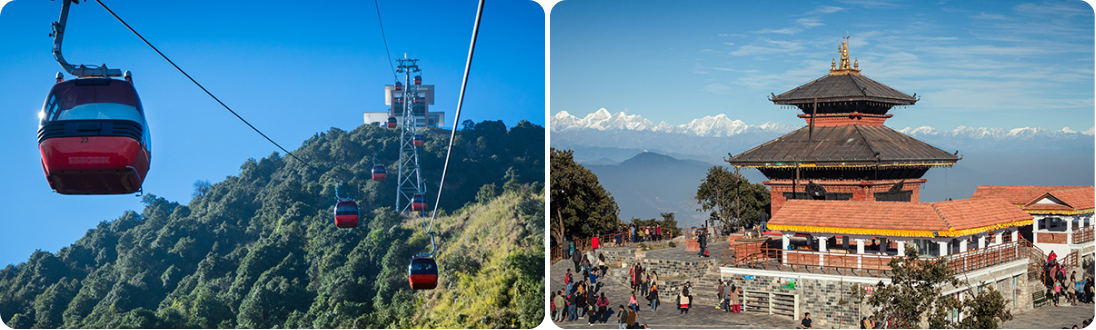
A cable car ride up Chandragiri Hills takes you above the valley to a panoramic view of the Himalayan range. Langtang, Annapurna, Ganesh Himal, and on clear mornings, Everest at the far edge. For many guests, this is the first time they actually see the mountains they are about to walk into. Clouds build quickly, so this is a before-9am visit or not at all.
Kathmandu Heritage Tour: Four UNESCO sites
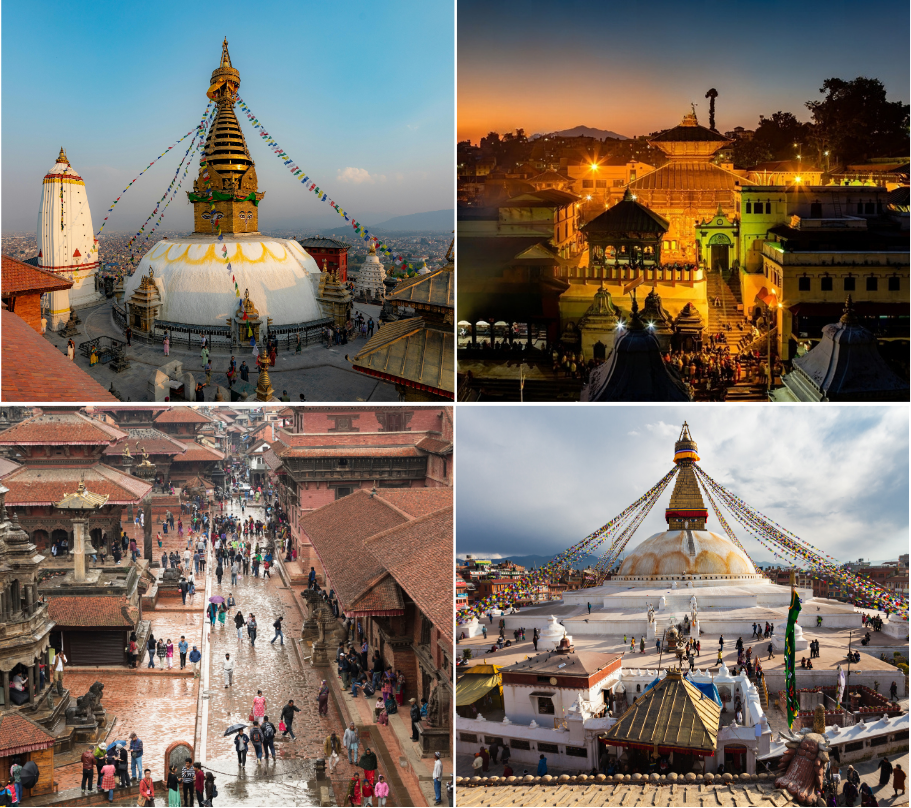
A guided journey through the valley's spiritual sites begins at Pashupatinath, the holiest Hindu shrine in Nepal with cremation rites along the Bagmati river. Next you visit the Boudhanath Stupa, one of the world's largest stupas and home to 50 Buddhist monasteries. Climbing the 365 stairs up to Swayambhunath (the Monkey Temple) is next on your agenda. As a sacred site for both Hinduism and Buddhism it has been used as a place of worship for thousands of years. Your last stop is Kathmandu Durbar Square, a royal palace that contains 50+ temple sites and multiple interconnecting courtyards. There you can view the Kumari Ghar, home to the Living Goddess; a young girl who appears at her window from time to time continues a century old practice that still represents the living pulse of this city.
Spice Market Walk: Asan Bazaar
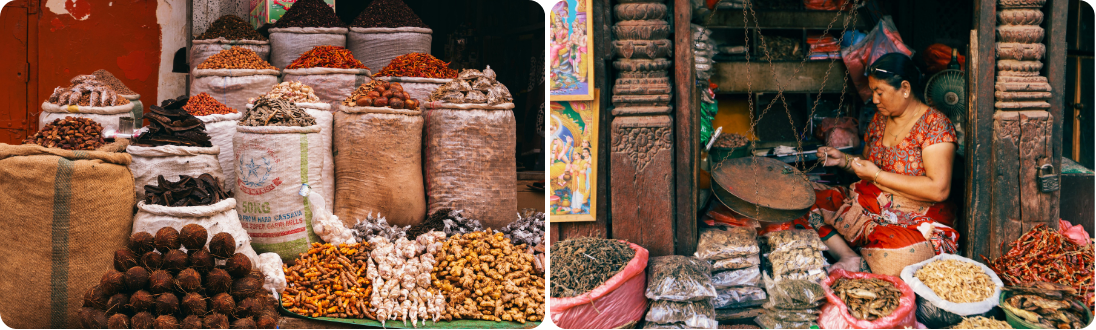
A guided walk through Asan Bazaar, a working wholesale spice market that has operated on these lanes since the old trade routes between Tibet and India. You will taste and smell Timur pepper (Nepal's citrus-forward answer to Sichuan), jimbu dried Himalayan chives, and freshly dug Himalayan turmeric. These are the same spices in your dal bhat every day on the trail. Knowing them by smell and taste changes how you eat on the mountain.
Nepali Cooking Class in Partnership with SASANE
A hands-on cooking session where you learn to prepare an authentic Nepali dish and eat what you make. This class runs in partnership with SASANE, a survivor-led organization that has worked against human trafficking and gender-based violence in Nepal since 2008. The instructors are part of their vocational program. You cook real food, you eat it together, and your booking directly supports meaningful work.
Master the Arts: Bhaktapur Workshop Day
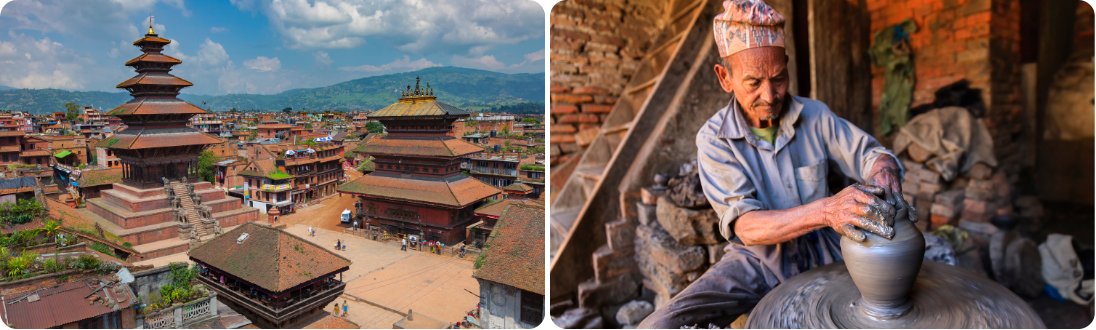
A full day in Bhaktapur, a medieval city that has never been meaningfully modernized. You visit working studios where wood carvers, thanka painters, and potters practice crafts passed through families for generations. In several workshops, you can try the craft yourself. The pottery wheel is significantly harder than it looks. Before leaving, try juju dhau, the King's Curd, served in an unglazed clay pot and made only here in Bhaktapur.
Interested in any of these? Get in touch with our team and we will sort the details around your schedule.
Spa & Wellness
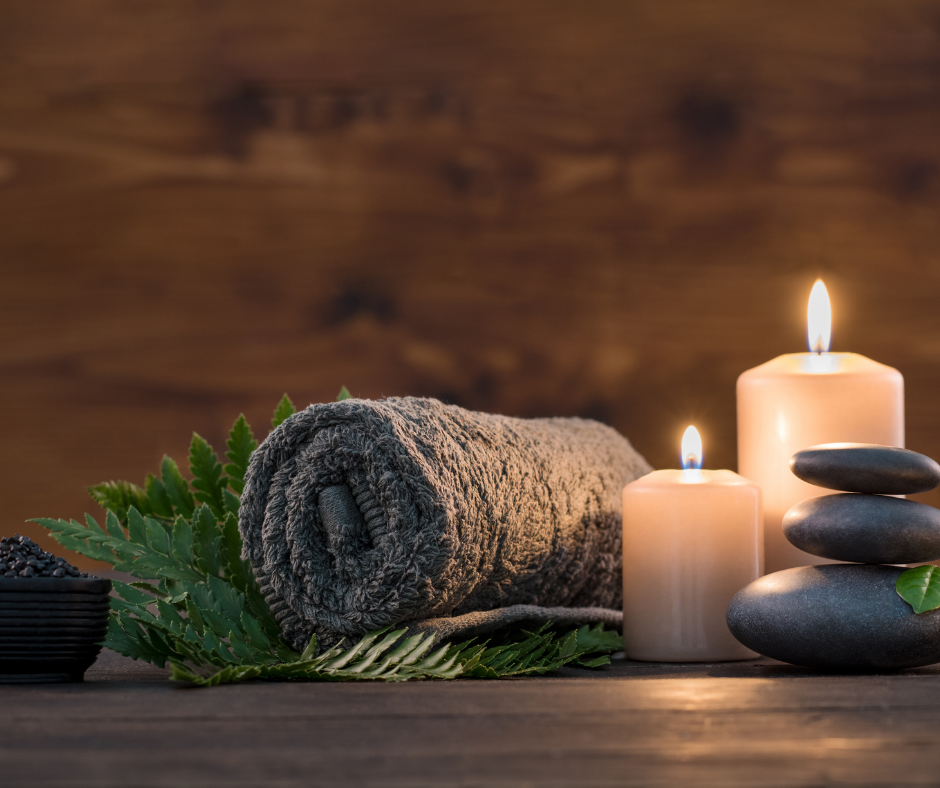
Thamel has genuine, established wellness centers offering Ayurvedic massage, Tibetan Sowa-Rigpa healing, Thai stretching, deep tissue, and reflexology. The better establishments have been operating for decades. One treatment worth knowing about: the Trekker's Massage, a combination of Ayurvedic oil work and Thai stretching focused on legs, lower back, and shoulders. Popular both before and after the trek.
Quality varies significantly and the warning signs are specific.
Any spa advertising "full body massage" while immediately offering 30–40% discounts on the phone before you've arrived is telling you something. Look for spas that have been operating for several years, are recommended by your hotel team, and have a proper reception area rather than a curtained doorway. Five minutes of research makes a real difference to what you experience.
Evenings & Nightlife
Livelier than most people expect. One genuinely good evening here is a pleasure. Two late nights before altitude is a different equation.
Thamel shifts gear at dusk. Gear shops close, neon signs come on, and the lanes take on a different energy. Bars concentrate along Chaksibari Marg and Paknajol. The scene is not trying to be Ibiza; it's travelers and locals and expats coexisting in small rooms with cold beer and occasionally good live music, which is its own thing and worth experiencing.
One good evening in Thamel is part of the experience and there is nothing wrong with it. Just keep the trek in mind. Altitude and long walking days ahead respond well to rest. You know yourself best.
Rock Music
Purple Haze Rock Bar
Hendrix-themed, dimly lit, live rock bands most evenings. The classic Thamel bar consistent, unpretentious, loud in exactly the right way. Start here if you want to understand what Thamel nightlife actually is. The beer is cold, the music is genuine, and nobody is trying to impress anyone.
Old School
Sam's Bar
The oldest bar in Kathmandu. No food except salted popcorn. Just drinks, a rooftop view of the lane below, and a building that hasn't changed in decades. Exactly what it is and no more. Good for a quiet beer before the night begins, or as the night ends. One of those places that earns affection by not trying.
Reggae and Cocktails
Reggae Bar
Chaksibari Marg. Tropical cocktails, live reggae sets or DJ nights, colorful murals. The bar that makes you briefly forget the altitude is 1,400 meters. Free entry, open till midnight. A genuinely mixed crowd of travelers and locals, unusual in Thamel, where the two often don't overlap.
Full Club Experience
LOD (Lord of Drinks)
Opened 2019, central Thamel, capacity for 4,000. Proper sound system, skilled mixologists, goes genuinely late. For the night you want the full experience, this is the venue. Worth it once.
This is when Thamel nightlife makes complete sense, AFTER YOU COMPLETE YOUR TREK! Your legs are sore, you've been at altitude for days, and you've earned a real evening out. The bars will feel different after the mountains; louder, warmer, more alive. Celebrate properly. You've done something genuinely difficult and the city has been waiting for you.
Shopping & Art
Thamel sells everything. A small number of those things are genuinely worth bringing home.
Thanka Paintings, Sacred Art
Tibetan Buddhist scrolls paintings using natural mineral pigments. A proper thanka takes months to complete. Always ask how long the piece took to make. If the answer is "a few days," it is not hand-painted by a traditional artist, regardless of what else you are told.
Pashmina
Most "pashmina" in Thamel contains significant acrylic. The friction test: rub the fabric between your palms. Genuine pashmina warms from friction; acrylic generates static. The difference is immediate. Buy from shops that can identify the weaving region and provide documentation.
Singing Bowls
A quality bowl holds its tone for 30 or more seconds with overtones you can feel. A cheap piece rings once and stops. Ask to hear it played before you buy. Your ears will tell you everything you need to know.
Lokta Paper Products
Handmade from the bark of the Himalayan Daphne tree. Naturally acid-free and durable enough that Buddhist manuscripts on lokta paper have survived 800 years. Journals, notebooks, lampshades. One of the most practical and authentically Nepali things you can take home.
Khukuri (The Gurkha Knife)
Gorkha Zone Khukuri House in Thamel is the most consistently recommended outlet for authentic pieces. Important: packed inside checked baggage only when flying home. Not in carry-on, not in a daypack you are taking as hand luggage. Customs will confiscate it.
On antiques and gems:
Nepal prohibits export of antiques over 100 years old. Anyone offering an "ancient" statue at a negotiable price is selling a reproduction or something that will cause real customs problems. For gemstones (sapphires, tourmalines, aquamarine are all mined in Nepal), buy only from licensed dealers with documentation of origin.
We are your first call for anything.
The mountains will be extraordinary. They almost always are, and nothing in this guide competes with that. But the guests who leave Nepal genuinely changed not just tired and triumphant are almost always the ones who gave the city a real chance first.
Welcome to Kathmandu. It’s a mess. You’re going to love it
KEEP EXPLORING
Uncover similar insights
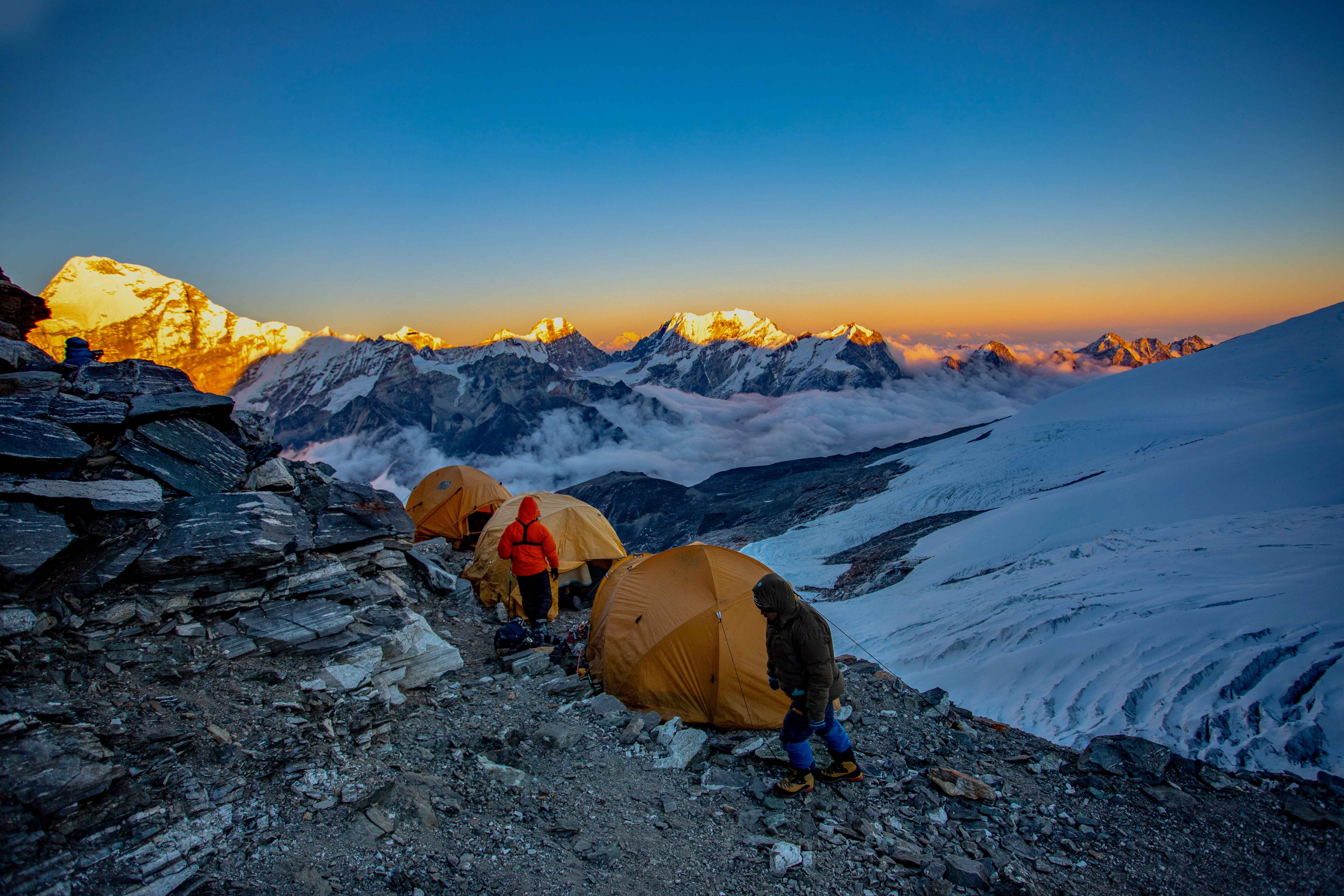
Day-by-Day Demands, Training Plan, and Mental Grit