

Table of Contents:

Food and Accommodation on the Manaslu Circuit Trek
Teahouse Facilities on the Manaslu Circuit Trek with Tsum Valley
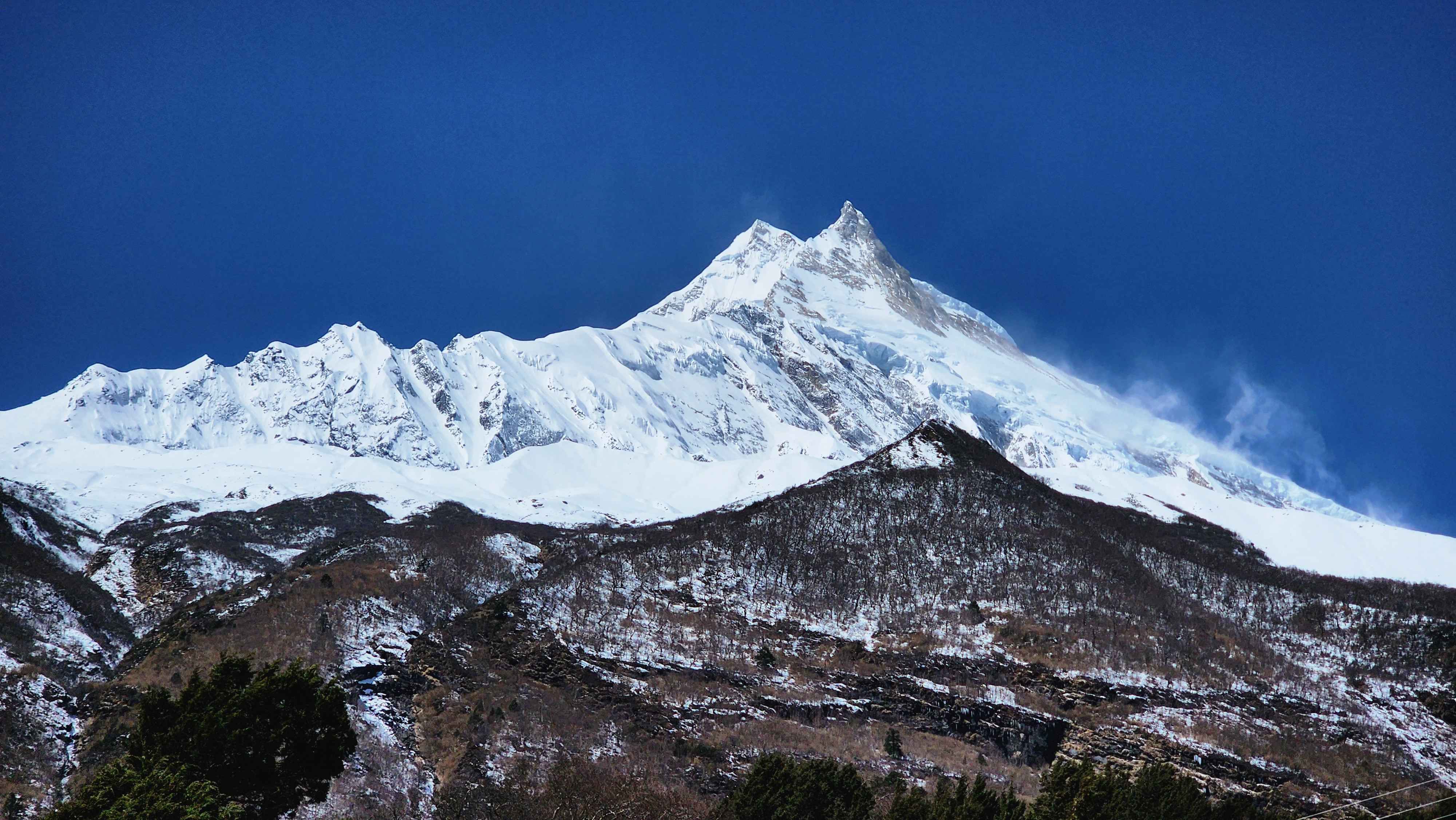
What Kind of Trek This is Manaslu Circuit?
Manaslu sees roughly 6,000 trekkers a year. The Annapurna Conservation Area sees around 150,000. That single gap explains almost everything else on this page, why teahouses here are smaller and more basic than their equivalents on Everest or Annapurna, why some of them are only now catching up on infrastructure those routes built over decades, and why the whole experience feels less like a well-worn tourist circuit and more like staying in someone's actual home, because in most cases, that's exactly what it is.
One reassurance worth stating plainly before the detail below: private twin rooms are the standard on this route, not a shared dorm. Two people traveling together get a room to themselves almost everywhere on the trail. Dharmasala in peak season is the one real exception, where tent platforms cover the overflow once every room in the village is taken. Everything from here down covers exactly what that room, and the meals, water, and facilities around it, actually look like at every stage of the trek, so you're walking in knowing what to expect rather than finding it out one cold surprise at a time.
What Are the Rooms Like on the Manaslu Circuit Trek?
Two single beds against opposite walls, a thin foam mattress on each, a small table wedged between them, and plywood or timber walls thin enough that you'll hear your neighbor's alarm as clearly as your own. Bedding is usually a single blanket rather than a proper duvet, and at higher elevations that blanket is often the only insulation between you and a room with no heating source of its own, since warmth on this trek lives in the communal dining hall, not the bedroom.
Attached bathrooms, common on Everest Base Camp and much of the Annapurna Circuit after decades of guesthouse investment, are still the exception here rather than the rule, this route has only run as a teahouse trek since around 2012, and infrastructure that took Everest and Annapurna a generation to build is still catching up on Manaslu. That's not a complaint, it's context for why the room you get in Jagat and the room you get in Dharmasala can feel like two different trips, a gap our full day by day itinerary walks through village by village if you want the terrain and elevation to go with it.
Zone | Villages | Room |
1 | Machhakhola to Jagat | Comfortable, some attached bathrooms, firmer mattresses |
2 | Philim to Deng, plus Tsum Valley | Basic. Tsum has far fewer guesthouses to choose between |
3 | Namrung, Lho, Samagaon | Best on the route. Some private toilets, sturdier build |
4 | Samdo to Dharmasala | Smallest and starkest, unheated. Tent overflow if full in peak season |
5 | Bhimthang to Tilje | Quality returns almost immediately after the pass |
What Do Teahouses on the Manaslu Circuit Trek Actually Provide?
The dining hall is the real center of every teahouse. It's where you eat, warm up, charge devices, and spend more waking hours than in your actual room.
Heating: a wood burning stove lower down, or dried yak dung higher up where wood is scarce, burns cleaner and hotter than it sounds. Almost always confined to the dining hall.
Electricity: more reliable than most trekkers expect. A network of community micro hydro plants, funded through the conservation area, runs power as far as Samdo, lines stop just short of Dharmasala, which is exactly why that last village feels like such a sharp drop.
Charging, snacks, and luggage storage: common below Namrung. Above Samagaon, the shop shelf thins out even where the power itself holds up, the electricity reaches further than the food supply does.
Medical care: Samagaon has the only health post and pharmacy on the entire route between Jagat and Bhimthang. Beyond it, your guide's training and your own first aid kit are what you have until Larkya La is behind you.
Weather still reaches into all of this at the very top of the route, a cloudy monsoon stretch or a short winter daylight window can strain the hydro system right at Samdo, one more reason the month you pick, covered in full in our best time to visit guide, shapes more of this trek than just the weather on your face.
What Food is Available on the Manaslu Circuit Trek?
The menu barely changes teahouse to teahouse, which means you're never stuck without something familiar to order. Don't expect the wider, more international menus you'd find on Everest Base Camp or the Annapurna Circuit, both routes with far more annual foot traffic to support a bigger kitchen inventory, Manaslu's menu is smaller and more consistent instead.
Meal | What's Typically Available |
Breakfast | Porridge, Tibetan bread, chapati, eggs to order, pancakes, cornflakes or muesli, milk tea, black tea, coffee |
Lunch | Dal bhat, fried rice, noodles, momos, thukpa, vegetable curry, soup |
Dinner | Same core menu as lunch, plus a local specialty depending on the village |
Snacks | Instant noodles, biscuits, chocolate, and in Samagaon, fresh bakery items |
Why Dal Bhat is the Meal to Order?
Dal bhat, rice with lentil soup and vegetables, isn't just the most common dish on this trek, it's the smartest one to order most nights. Most teahouses refill the rice, lentils, and vegetables at no extra charge, which matters on days when your appetite is unpredictable from altitude and effort. It's also, simply, the meal the family running the lodge eats themselves, which tends to make it the best cooked thing on the menu by a clear margin.
Guides half joke that dal bhat power runs 24 hours, and after a week on this trail, it stops feeling like a joke.
A few local specialties are worth watching for beyond the daily rotation. Samdo is known for yak sukuti, dried, spiced yak meat, a genuine regional dish rather than something added for trekkers. Samagaon's bakery turns out apple pie and simple breads that feel like a small miracle this far up the valley. Yak butter tea and yak milk show up in the Tibetan influenced upper villages, an acquired taste for most Western palates but worth trying once.
Component | Why It Helps at Altitude |
Rice | Slow-release carbohydrate energy over several hours, useful on long ascent days without the crash simpler carbs cause |
Dal (lentil soup) | Warm, protein rich broth that adds to your daily fluid intake while supporting muscle recovery overnight |
Tarkari (vegetable curry) | Micronutrients and fibre, well cooked and easy to digest even when altitude slows digestion generally |
Achar (pickle) | A mild probiotic boost for gut health, useful when altitude, unfamiliar water, and a changing diet are all working against it |
Free refills | The one meal available at every altitude, every season, every stop, in unlimited quantity |
Should I Eat Meat on the Manaslu Circuit Trek?
Below Samagaon, meat is generally fine in moderation. Above it, most guides recommend switching to vegetarian meals, and it's worth listening to that advice rather than treating it as overcaution. There's no reliable cold storage above this point, the Buddhist population through much of the upper Nubri and Tsum valleys means less fresh meat moves through local supply chains to begin with, and digesting meat at altitude puts extra strain on a body that's already working harder than usual. None of this means you'll go hungry, dal bhat, noodles, and soup remain filling and plentiful the entire way to Dharmasala.
Dietary Need | How It Fares on This Route |
Vegetarian | Very easy. Nepali cuisine is naturally vegetarian forward, dal bhat and most of the menu need no special request |
Vegan | Easy with clear communication, ask for no ghee, no milk, no egg by name rather than the word vegan alone. Bring extra snacks for above Namrung where egg free options thin out |
Gluten free | Manageable with care. Rice dishes are naturally gluten free, shared kitchens carry some cross contamination risk, avoid noodles and bread higher up |
Diabetic | Needs planning. Dal bhat is high glycemic from the rice, egg dishes and lentil soup without rice are steadier options. Carry your own glucose management supplies, there are no pharmacies above Namrung |
Lactose intolerant | Easy. Dairy is scarce above Samagaon regardless, so this becomes less of a concern the higher you go |
The word vegetarian is understood widely here, but its exact boundaries shift between teahouse owners, some exclude eggs, some don't. Naming the specific thing you can't eat works better than a category label, and your guide will usually reinforce this at each stop as a matter of routine.
Wifi and Network on the Manaslu Circuit Trek
Gets worse the higher you climb, then does something unexpected once you're over the pass. It also never reaches the standard of Everest Base Camp, where Namche and the villages above it run on a dedicated Everest Link network, or the Annapurna Circuit, where road access on the Manang side brings in genuinely faster connections. Manaslu stays a notch below both, by design as much as by geography, this route sees a fraction of the annual trekkers either of those does.
Nepal Telecom (NTC) holds a signal noticeably better than Ncell almost everywhere on this route, Ncell coverage is close to non-existent past Jagat. Even NTC becomes unreliable above Namrung, and both carriers go completely dark at Samdo and Dharmasala, where a satellite phone is the only working option in an emergency. A local NTC SIM bought in Kathmandu, not Ncell, is the more useful choice for this specific trek.
Zone | Wifi | Mobile Signal |
Below Namrung | Common, paid, slow | Patchy in the gorge, generally present |
Namrung to Samagaon | Exists, treat as a bonus | Best on the upper trail, still unreliable |
Samdo to Dharmasala | Rare to none | Unreliable to absent |
Bimthang onward | Returns | Improves |
Are There Hot Showers on the Manaslu Circuit Trek?
Yes for most of the trek, just not always the kind you're picturing.
Zone | Shower Type |
Below Jagat | Piped and genuinely hot, paid by bucket or by the minute |
Philim to Namrung | Bucket showers heated over a stove |
Namrung to Samagaon | Proper hot showers again |
Above Samdo | Not advisable. Wet skin in subzero air is genuinely risky |
Dharmasala | None at all |
Bhimthang onward | Returns |
Most trekkers go two or three days without a shower through the upper stretch. It's a normal, expected part of the trek, not something to be embarrassed about.
Water Treatment on the Manaslu Circuit Trek
Never Drink Untreated Water
Never drink water straight from a tap, tank, or stream anywhere on this trek, no matter how clear it looks. Almost every ruined trek from a stomach bug traces back to this one rule being skipped.
There are many ways to treat water on this route, and knowing the difference between them matters more than just picking one at random. Built in lodge filtration systems, increasingly common on busier routes like Everest Base Camp, are still rare here, so plan to bring your own method rather than relying on finding one.
Method | Speed | What It Handles | Watch Out For |
Boiling | A few minutes | Everything, bacteria, viruses, parasites | Sold at every teahouse. The gold standard |
Purification tablets | ~30 min per liter | Bacteria, viruses, most parasites | Faint chemical taste. Great lightweight backup |
Mechanical filters | Instant, as you drink | Bacteria and protozoa | Most don't remove viruses, minor risk here |
UV purifiers | Under 2 minutes | Bacteria, viruses, protozoa | Battery drains fast in cold, less reliable above Samagaon |
Bottled water | Instant | Depends on seal integrity | Scarce, expensive, and plastic waste higher up. Last resort |
Drink More Than You Think You Need
Aim for 3 to 4 liters of water a day at altitude, rest days included. Dehydration is both a cause and an amplifier of altitude sickness, and it can creep up before you actually feel thirsty. A simple daily check: pale yellow urine means you're hydrating well, dark yellow means drink more, now, not at the next stop.
How to Maintain Hygiene on the Manaslu Circuit Trek?
Hygiene on a three week trek through a region with no laundry service and increasingly limited water access comes down to a short list of habits that matter. Kitchens above Samagaon are smaller and more remote than anything on the busier Everest or Annapurna corridors, with less consistent refrigeration, which is one more reason the food safety habits below aren't optional extras.
Hand sanitizer and wet wipes do more daily work than almost anything else in your pack, use them before every meal and after every toilet visit, since running water for proper handwashing becomes less reliable the higher you climb.
Carry your own toilet paper the entire way, teahouses this remote don't consistently stock it, and the squat toilets common above Deng rarely come with any provided.
Never flush paper or wipes down a squat toilet on this trek, the plumbing and pit systems can't handle it, use the bin provided or carry a sealed bag until you reach somewhere that can.
A basic laundry service exists at a few of the lower villages for a small fee, but it stops being realistic once you're deep into Tsum Valley or above Namrung, so plan to wear the same base layers for several days at a stretch higher up rather than packing for a fresh outfit daily, a few moisture wicking layers and a strong deodorant will do more for you than extra clothing weight ever will.
The same logic applies to bedding: teahouse blankets, especially at higher altitude, aren't laundered between guests with any regularity, one more reason a proper sleeping bag, not just for warmth, earns its space in your pack for this specific trek.
How your body handles three weeks of this, cold rooms, thinner air, and less predictable hygiene all at once, ties directly into general fitness too, our difficulty and fitness guide covers what kind of conditioning actually helps here.
Managing a Period on the Manaslu Circuit Trek
There is nowhere to buy pads, tampons, or menstrual cups anywhere on this route, so carry everything you'll need for the full three weeks plus a buffer, since altitude and exertion can shift cycle timing in either direction. A menstrual cup is worth genuinely considering for a trip this long, less to carry and less to pack out, and no reliance on finding a private moment to change something every few hours in a shared teahouse with thin walls. If a cup isn't for you, that's completely fine, a dedicated sealed bag for packing out used products is the right call the entire way, these villages have no waste system built to handle anything else, and burning anything with plastic in it isn't a real option either.
Cramps can feel different at altitude, worse for some people and milder for others, so bring your usual pain relief, and consider a wide mouth bottle filled with the boiled water every teahouse sells as a simple hot water bottle.
Pack Out, Don't Bury or Burn
Used menstrual products and any non-biodegradable waste should always be packed out in a sealed bag. Burying doesn't work the way people assume at this altitude and in this climate.
Continue Reading: Manaslu Circuit Trek
On This Trek
Manaslu Circuit Trek Day by Day Itinerary. Every stage of the route, terrain, elevation, and a real callout for each day.
Best Time to Visit the Manaslu Circuit Trek. Month by month weather, and why season matters more here than on most treks.
Manaslu Circuit Trek Difficulty and Fitness Guide. What this route demands physically, and how to train for it.
Manaslu Circuit Trek Packing List. What goes in the bag from subtropical valley floor to a 5,106m pass.
Eat Well, Sleep Warm, Stay Clean Where You Can
The comfort on this route was never going to be a straight line, and it isn't. It climbs through Jagat's hot showers and wide menus, dips hard through Samdo and Dharmasala where a cold room and dal bhat are the whole offer, and climbs back the moment you're down the far side of the pass at Bhimthang. Nothing in that shape is a flaw in the trek. It's the actual texture of walking somewhere this far from a road, and now you're not finding any of it out the hard way, mid trail, with no way to prepare for it.
Tell us your dates and group size and we'll walk you through exactly what to expect at every stage of this route, room by room, meal by meal, so nothing here surprises you except the parts that are supposed to.
KEEP EXPLORING
Uncover similar insights
AMS, HACE, and HAPE on Everest Three Passes Trek
Day-by-Day Demands, Training Plan, and Mental Grit