

Table of Contents:

Drinking Water on the Annapurna Base Camp Trek
What is Safe, What is Banned and What it Costs
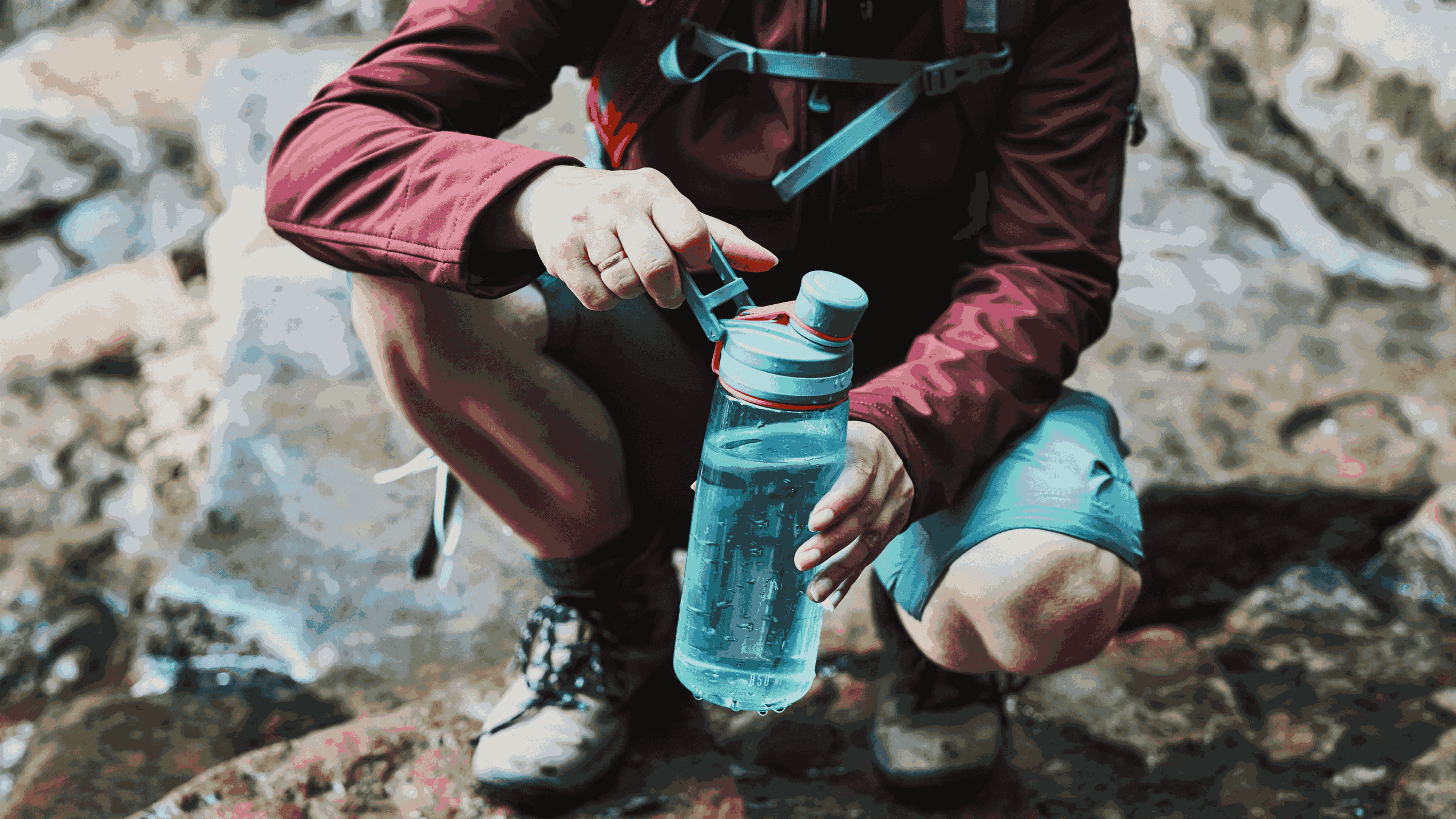
The Annapurna Base Camp trek climbs from the warm terraces around Nayapul to a ring of snow peaks at 4,130 metres, and very little of it is technical. What catches people out is the logistics of water where the next safe drink comes from, what it costs once the fuel to boil it has been carried uphill, and why the bottle bought in Pokhara was a poor plan. This guide covers what you need to decide before you go, and nothing more.
Safe: boiled water from lodge kitchens, and water you have treated yourself.
Not safe as it comes: taps, springs, streams and snowmelt, however clear they look.
Bottled water: single-use plastic bottles are banned in the Annapurna Sanctuary and not sold. Carry a reusable bottle and refill it.
Cost: about NPR 60 to 150 a litre low down, NPR 200 to 500 at MBC and ABC.
Drink: 3 to 4 litres of fluid a day. Tea and soup count.
Easiest setup: lodge boiled water, plus chlorine dioxide tablets as backup.
Why you cannot drink straight from a tap or stream during Annapurna Base Camp Trek?
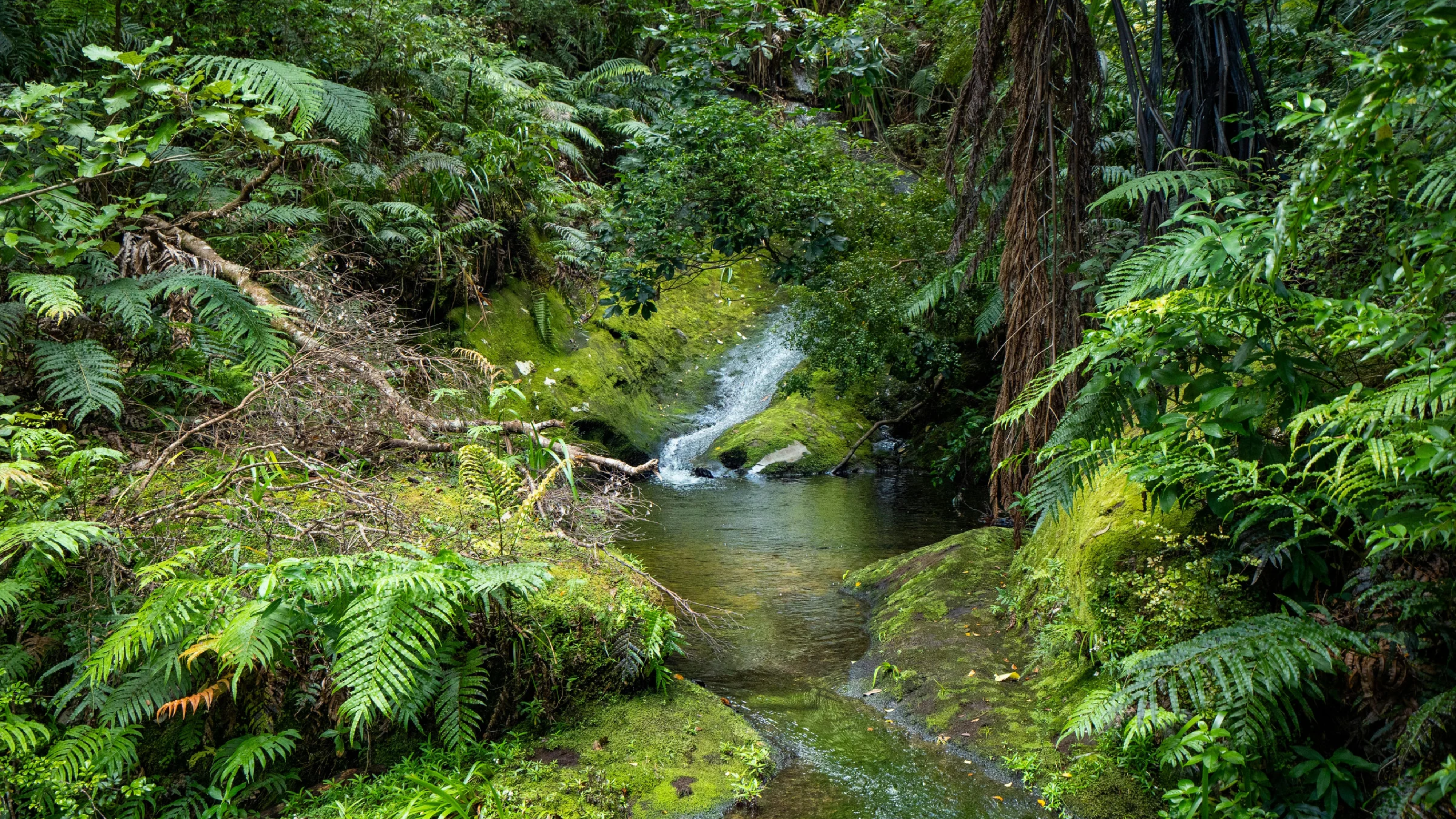
There is no way to judge mountain water by looking at it. Cold, fast and clear describes safe water and unsafe water equally, and the organisms that cause illness cannot be seen, smelled or tasted.
The source is not remote. The trail runs through villages, farms and a long line of lodges, with trekkers, porters and pack animals on the same paths. A stream can pass a lodge, a toilet or a grazing slope before it reaches your bottle, and taps are piped from springs and shared with households.
What it can carry. Bacteria (E. coli, Campylobacter, Salmonella, typhoid), viruses (hepatitis A, norovirus; hepatitis E has no vaccine) and protozoa (Giardia, Cryptosporidium). Typhoid risk for visitors to Nepal is very high.
Altitude makes illness costlier. Dry air and exertion already drain fluid, diarrhoea adds to it, and the symptoms get confused with altitude sickness. Help is days away, and spring (March to May) carries about double the stomach-illness risk of autumn.
Myth: what does not make water safe
Clarity, altitude, a snow-fed stream, a pipe straight from a spring, or the fact that a local drinks it. People raised on local water tolerate what makes visitors ill.
What is safe to drink on the ABC trek?
Types | Safe as it comes? | What to do? |
Boiled water from a lodge kitchen | Yes | The everyday supply. Ask for "boiled water" (umaleko paani) and let it cool in the bottle. |
Tea, soup, hot drinks | Yes | Made with boiled water. They count toward your fluid. |
Filtered refill points (some lodges, some ACAP stations) | Usually, | Ask what treats it. A filter does not remove viruses, so add a tablet if it is only filtered. |
Village taps, springs, streams, waterfalls, snowmelt | No | Treat first, or skip. Strain cloudy water through a cloth before treating. |
Ice, and the tap water used for brushing teeth | No | Order hot drinks or sealed cans. Brush with treated water. |
Jhinu Danda hot spring | No | For bathing only. |
Do you need to treat water that is already boiled or filtered?
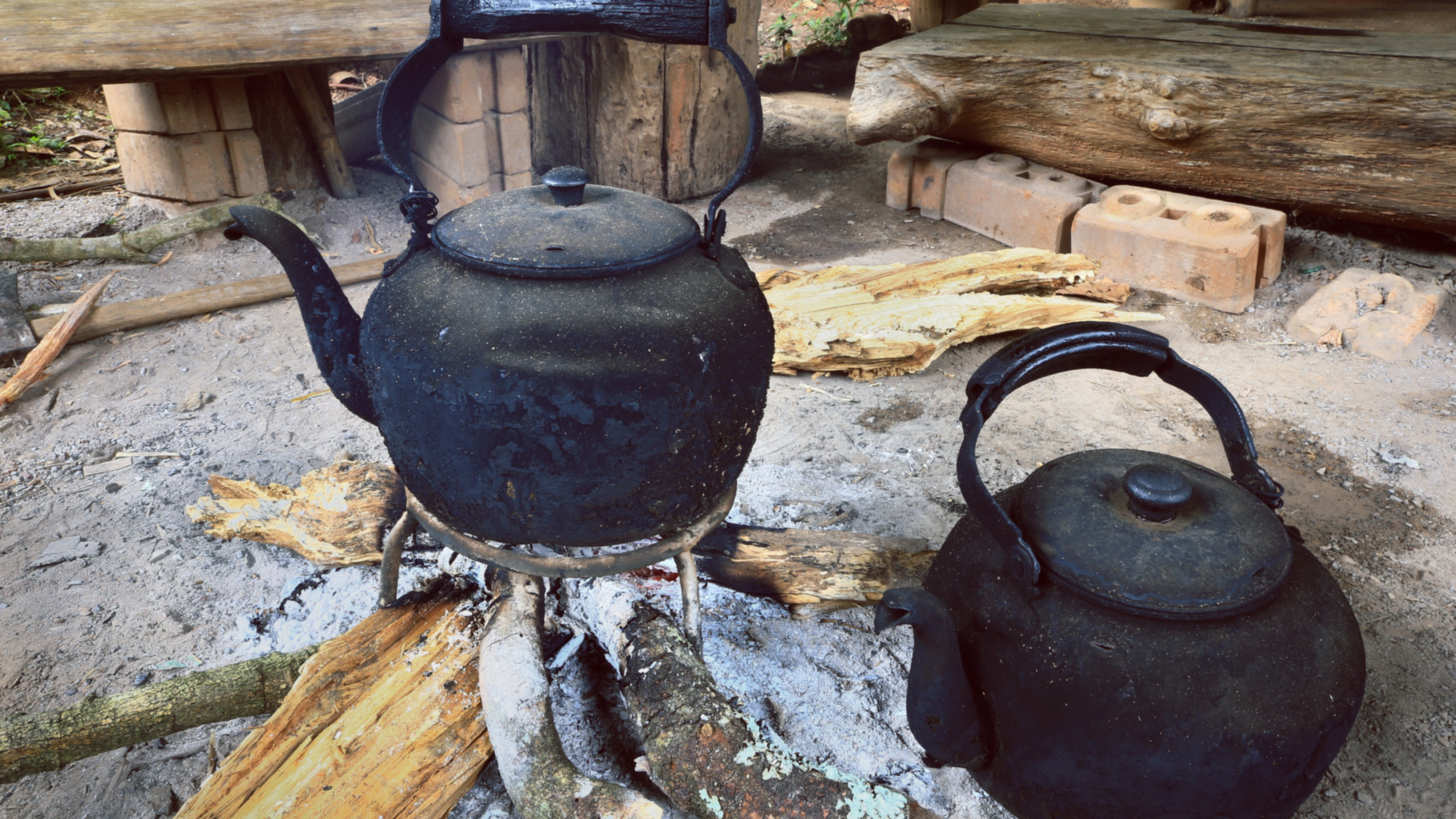
Boiled in front of you, or served from the kitchen pot: no. Let it cool.
Hot water from a flask or thermos you did not see filled: it may be hot but not boiled. A tablet is cheap insurance.
A filtered refill station: ask what treats it. Basic filters remove bacteria and protozoa but not viruses, so add a tablet if you cannot tell.
Sealed bottled water bought elsewhere in Nepal: check the seal is intact, since bottles can be refilled.
Refill from known spots only
The simplest habit that prevents most water trouble is to fill bottles only at places where you know where the water comes from and how it was treated.
Fill here | Do not Fill here |
The lodge kitchen, from the pot or kettle. Water you can see boiled is the most certain. | Streams and waterfalls, however clear. You cannot see what is upstream. |
An ACAP station or a lodge refill tap, after asking how it is treated. | Communal and bazaar taps, and any tap beside a toilet, laundry area or animal shed. |
Your own treated bottle, using a method on this page. | Anything you cannot trace, including a pipe that disappears into the hillside. |
Warning: a "drinking water" sign is not proof
A sign or a tap in a pretty spot does not tell you how the water is treated. Ask the lodge or station. If the answer is vague, treat it yourself. If water smells of sewage, fuel or anything unusual, do not drink it and ask for another source.
Bottled water and the plastic ban in ABC trek
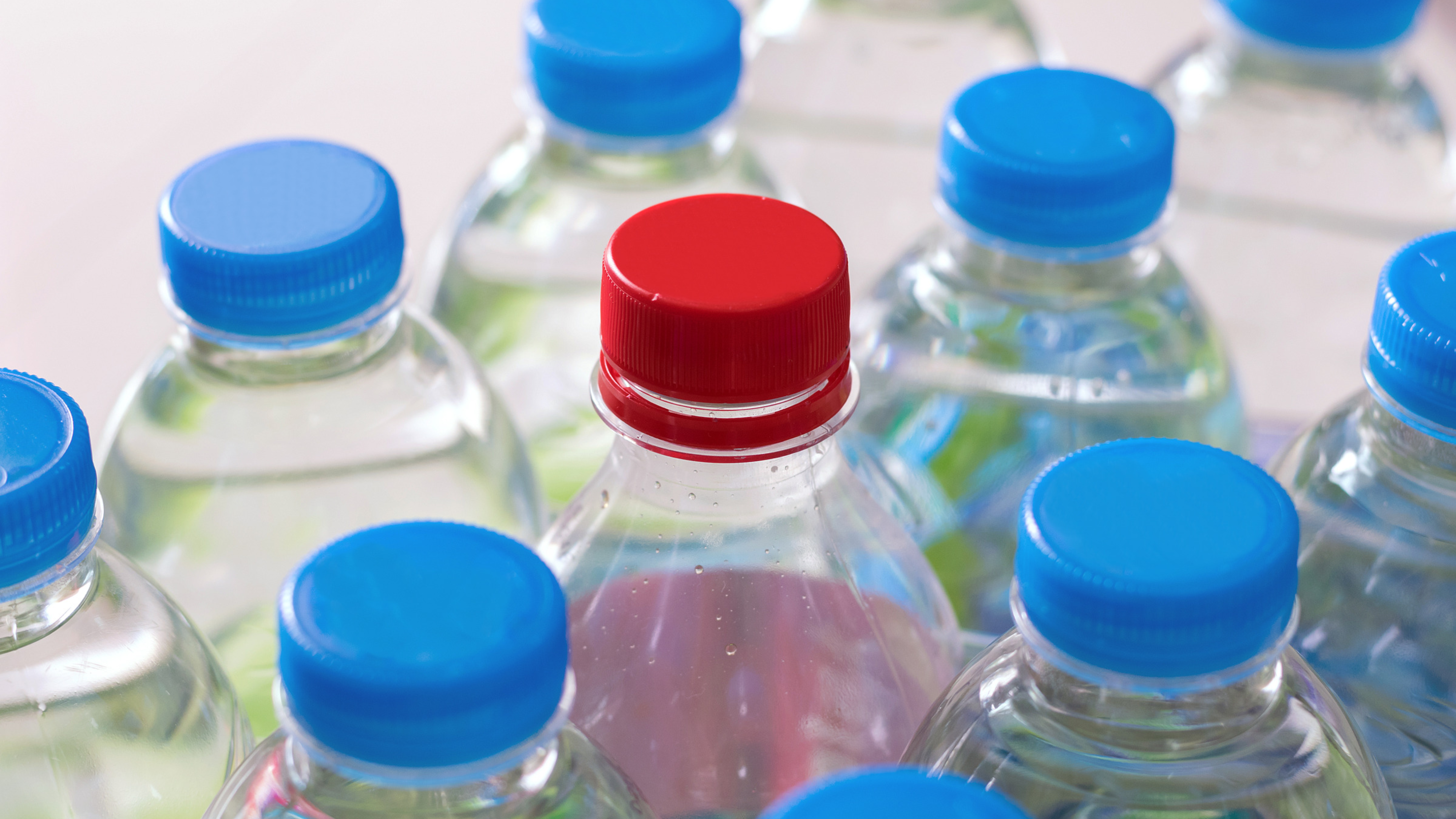
Single-use plastic water bottles are banned in the Annapurna Sanctuary, the stretch above Chhomrong, and lodges there do not sell them. Below Chhomrong, bottled water is still sold in places, so start refilling from day one. There is no bottled-water backup on the way up to ABC.
Bring your own bottle, and refill it. Lodges sell boiled water by the glass, litre or thermos.
Filtered refill points exist. ACAP runs filtered drinking water stations at some places on the trail, and some lodges have refill taps for a fee. Ask your guide where the next one is.
Do not carry bottles up from Pokhara. It adds weight and plastic you have to carry back down.
Carry out your waste, including tablet wrappers and filter packaging.
Boiled water on the ABC trek: how it is sold and what it costs
Lodges boil water over wood, gas or kerosene (inside the Sanctuary, firewood collection is restricted, so gas and kerosene carried up by porters do the work), and the price rises with altitude because everything is carried up on people's backs. Ask the price and the pot size before you fill
Water | Lower | Middle | Upper |
Glass (about 250 ml) | NPR 50 to 100 | NPR 100 to 150 | NPR 100 to 200 |
Litre | NPR 60 to 150 | NPR 100 to 300 | NPR 200 to 500 |
Big thermos pot (about 2 to 2.5 litres) | NPR 150 to 400 | NPR 250 to 750 | NPR 500 to 1,250 |
Tea pots are a different thing. Lodges also serve tea or hot water in small, medium and large pots, and a large pot is roughly 1 to 2 litres, usually with one tea bag.
Buy by the litre or the pot, not the glass. A glass costs far more per litre. Pot sizes vary, so ask how many litres it holds.
Fill at breakfast and lunch, and top up at Chhomrong, Himalaya, Deurali and MBC, the last stops before long or exposed stretches.
Water along the ABC route
Place | Water | Flags |
Nayapul to Ulleri (1,070 to 2,070 m) | Lodges sell boiled water. Taps are common and untreated. | Hot stone-step climb where trekkers first under drink. Buy tablets and ORS here or in Pokhara. |
Ghorepani, Poon Hill (2,860 to 3,210 m) | Lodges only, boiled water by the litre. | First cold mornings. Sleep with your bottle so it does not freeze. |
Chhomrong (2,170 m), Jhinu Danda | Last big village. Boiled water at lodges. The plastic ban applies above here. | Last reliable place to buy tablets and supplies. Hot spring water is for bathing only. |
Sinuwa, Bamboo, Dovan, Himalaya (2,300 to 2,920 m) | Small clusters of lodges with boiled water. Some taps. | Forest streams run past the trail and lodges. Walk past them, and fill before leaving. |
Deurali (3,230 m) | Lodges, boiled water. | Last stop before an exposed climb to MBC. Leave with full bottles. |
MBC (3,700 m) | Lodges only. Public taps are scarce. | Freezing nights begin. Keep the bottle in your sleeping bag and treat any stream water. |
ABC (4,130 m) | Lodges only, at the highest prices. | Cold, dry air and strong sun. The greatest risk of underdrinking, so pay for boiled water or treat your own. |
How much water to drink on the ABC trek?
Plan on 3 to 4 litres of fluid a day, a little more on the climb to MBC and ABC. Tea, soup and dal bhat broth all count, so it does not have to be plain water.
Check your urine. Pale yellow means you are keeping up. Dark yellow means drink more before the next climb.
Sip as you walk rather than waiting for thirst, and drink a mug of tea at breakfast and at every stop.
Front-load the day. Drink most of your fluid before late afternoon to avoid cold trips to an outdoor toilet at night.
Skip alcohol for the first 48 hours at altitude.
Insight: a day of water on the trail
Roughly half a litre of tea at breakfast, a full bottle sipped by lunch, a pot of tea or soup at the stop, a second bottle through the afternoon, and tea or soup at dinner. That is 3 to 4 litres without forcing it, and it is mostly hot, which suits the cold.
Info: if you take acetazolamide (Diamox)
It makes you pass more urine, so you need to drink more to keep urine pale, and it commonly causes tingling in the fingers and toes. Ask your doctor about it before the trip rather than starting it on the trail.
Insight: water does not prevent altitude sickness
Drinking well stops dehydration adding to how you feel, but studies have not shown that extra fluid prevents altitude sickness. Climbing slowly does. Above 3,000 m, keep the gain in sleeping altitude to about 500 m a night.
Danger: signs to descend, not drink through
Severe headache that does not ease, confusion, stumbling or loss of coordination, breathlessness at rest, or a cough with pink or frothy sputum are signs of serious altitude illness. Water will not fix them. Tell your guide and go down.
Bottles and hot water in ABC Trek
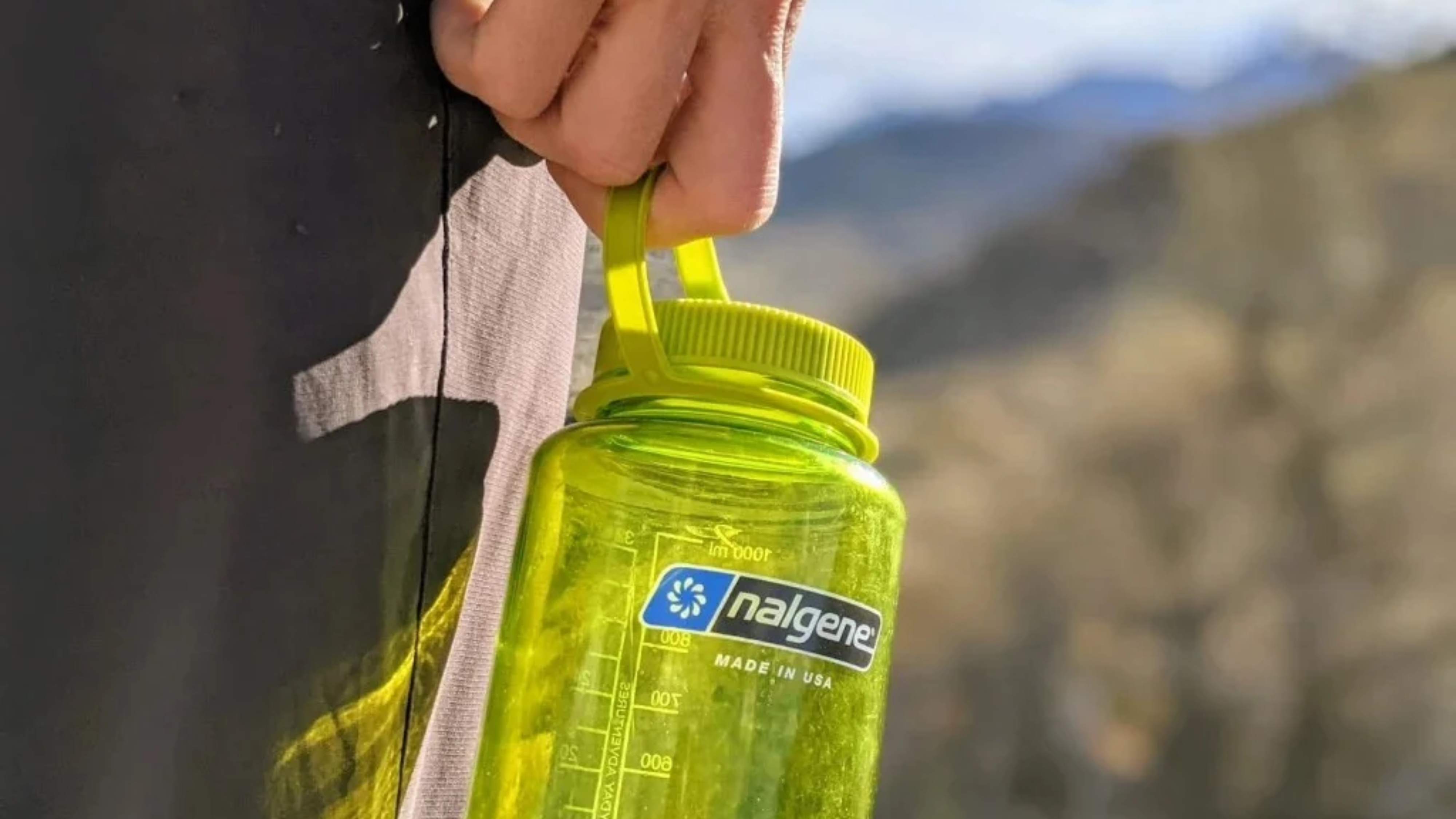
The best setup for most trekkers is two 1-litre wide-mouth bottles. A wide mouth fills easily from a kettle, takes a tablet easily and is less likely to freeze shut.
Type | Good for | Watch for |
Wide-mouth plastic (Nalgene-style) | Hot water, easy filling, cheap, durable | Not insulated. Check the heat rating. |
Insulated steel | Cold mornings and long days | Heavier. Do not rely on one bottle. |
Hydration bladder | Sipping on the lower, warmer sections | Tubes freeze higher up. |
Single-use PET bottle | Nothing on this route | Banned from sale, and not made for hot water. |
Insight: the two-bottle system
Treat one bottle while you drink from the other. It gives tablets their full contact time without stopping you, and it solves the usual problem of a 600 ml bottle running out between lodges. A flavour or electrolyte powder hides the taste of tablets, but add it after the contact time ends.
Using hot water safely
Know your bottle's limit. Nalgene Sustain (Tritan Renew) bottles take boiling water up to 100°C. HDPE bottles take hot water up to about 82 to 93°C. Never heat a bottle over a flame.
Pour, then wait a few seconds before closing the lid so steam pressure does not build.
Check older bottles for deep scratches or cracks, and replace worn ones.
A Nalgene works both ways: water bottle by day, hot-water bottle by night
A wide-mouth Nalgene earns its place twice. By day it carries your water. At night it becomes a hot-water bottle that keeps you warm and keeps your water from freezing, which matters at Deurali, MBC and ABC.
Ask the kitchen for boiled water in the evening and fill the bottle. Make sure it is a bottle rated for hot water.
Seal it tightly, turn it upside down for a moment to check it does not leak, and put it in a sock or fleece sleeve.
Slide it into the sleeping bag near your feet or against your core, a few minutes before you get in. It pre-warms the bag and stays warm for hours.
Drink it in the morning. It is boiled, so it is safe to drink, still liquid and often still lukewarm, when a bottle left outside is a block of ice.
Insight: a second bottle doubles the benefit
Fill one bottle with boiled water to sleep with, and keep your tablet-treated bottle in the bag too, so neither freezes. In the morning the warm one is your for washing face or brushing your teeth and the other is ready for the walk.
Water purification methods in ABC Trek
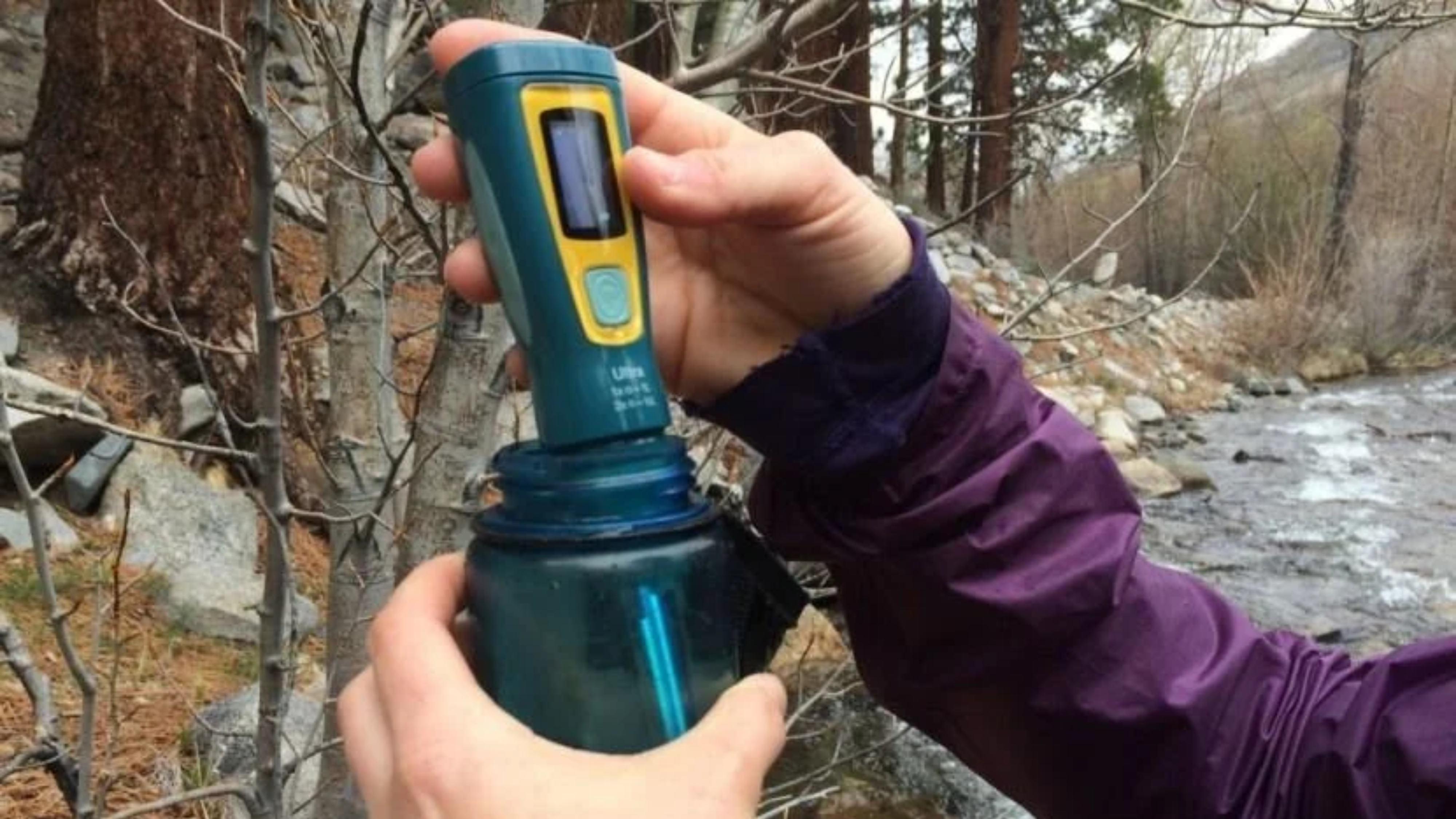
Method | Bacteria | Viruses | Giardia | Crypto | Contact time | Main Limits |
Boiling | Yes | Yes | Yes | Yes | 1 min of ro+E2lling bubbles; 3 min above about 2,000 m | Needs fuel and cooling time. Lodges do it for you. |
Chlorine dioxide tablets or drops | Yes | Yes | Yes | Yes, slowly | 15 min for bacteria and viruses; 30 min to 4 h for protozoa, longest in cold or dirty water | Slow in cold water. Follow the packet. |
Filter, 0.2 micron (hollow fibre, filter straw) | Yes | No | Yes | Yes | Immediate | Does not stop viruses. Clogs in silty water. Unreliable once frozen. |
Purifier (0.02 micron, or filter with adsorbing part) | Yes | Yes | Yes | Yes | Immediate | Heavier and dearer. Same freezing problem. |
UV-C pen | Yes | Yes | Yes | Yes | About 90 s per litre | Clear water only. Batteries weaken in cold. |
Chlorine (bleach, drops, NaDCC) | Yes | Yes | Limited | No | 30 min to 2 h; up to 4 times longer below 5°C | Poor fit for cold water and Cryptosporidium. |
Iodine | Yes | Yes | Unreliable | Unreliable | Per product | Not for pregnancy, thyroid disease or long use. |
Warning: check which tablet you are buying
Chlorine dioxide tablets (Micropur MP1 and Aquamira are examples) work against bacteria, viruses and protozoa including Cryptosporidium. Plain chlorine tablets (NaDCC, often sold as Aquatabs) are only moderately effective against Giardia and do not work against Cryptosporidium. Brand names mislead: Micropur Forte, the red box common in Kathmandu and Pokhara shops, is chlorine with silver, not chlorine dioxide, and Micropur Classic is silver only. Read the packet for the words "chlorine dioxide".
What the table does not show
Boil longer at altitude. Hold a rolling boil for 3 minutes above about 2,000 m.
Cold slows tablets. Chlorine dioxide takes 15 minutes against bacteria and viruses and 30 against protozoa at about 20°C, and up to 4 hours in cold or cloudy water. Treat in the evening for the next day.
Filters do not stop viruses, and clog in silty glacial water. Strain cloudy water first. A filter that has frozen should be replaced.
UV pens need clear water and warm batteries, which makes them the weakest choice on the upper route.
The easiest setup for ABC
Lodge boiled water as the main supply. No equipment, no waiting, and safe when properly boiled.
Chlorine dioxide tablets as backup. They weigh almost nothing, cannot freeze or run out of batteries, and cover taps, streams and any lodge that cannot say how its water was treated. Buy them in Kathmandu or Pokhara.
A 0.2-micron filter as an optional extra for faster water on the lower sections. Pair it with a tablet for viruses, and keep it in your sleeping bag at night.
Taste and smell of treated water: chlorine, chlorine dioxide and iodine
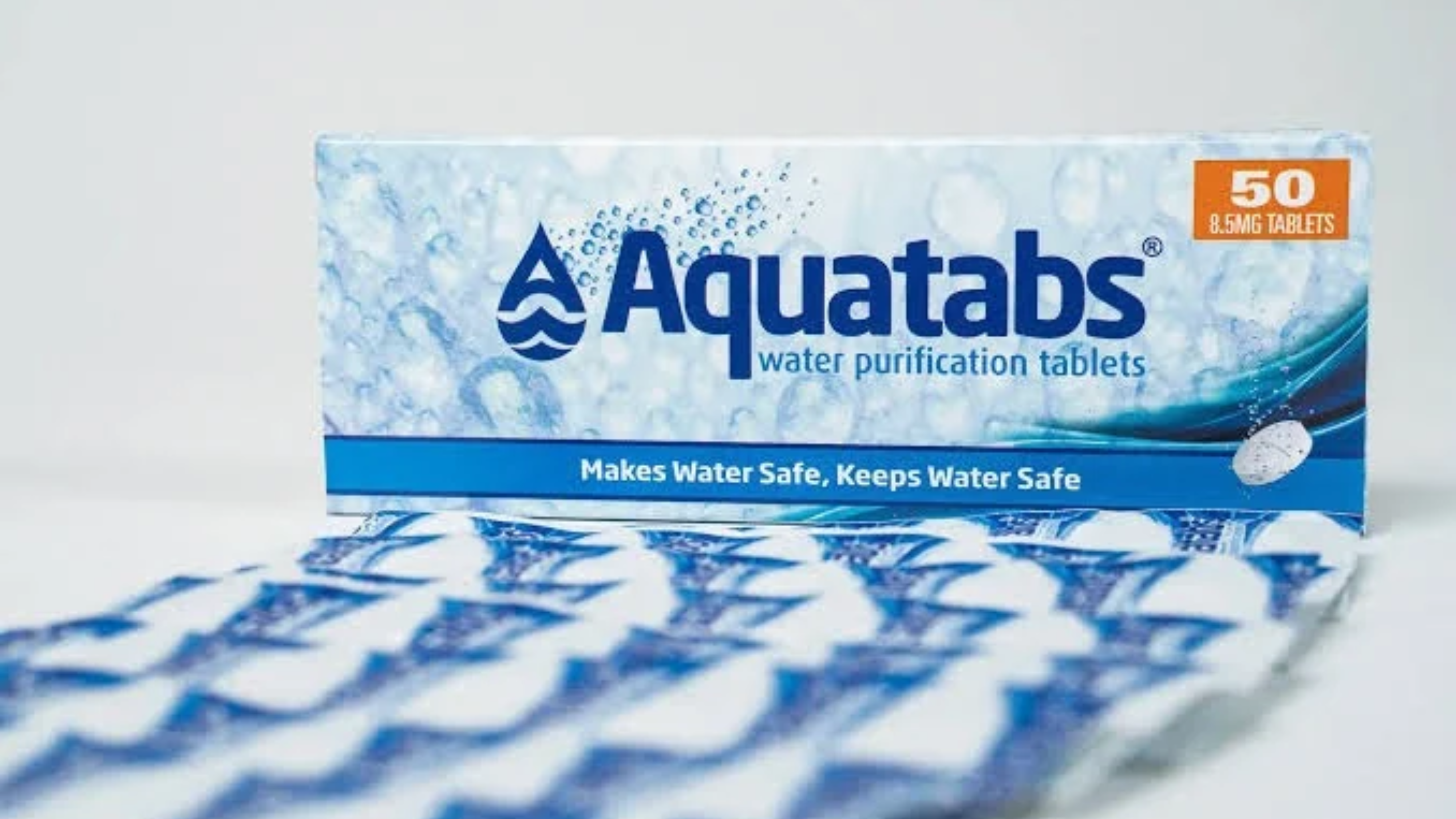
Chemical treatment works, and it leaves a taste. Knowing what to expect, and which fixes are safe, stops people abandoning their tablets on day two and drinking from a stream instead.
Method | Taste | Helps |
Chlorine dioxide | Mild, a faint swimming-pool or chemical note that fades. Usually the least noticeable of the three. | Let it stand open after the contact time, pour between two bottles, and drink it cold. |
Chlorine (NaDCC tablets, drops, bleach) | A stronger swimming-pool smell and taste, especially in the first litre. | Aerate it, wait, and add flavouring or a vitamin C tablet after the contact time. Do not add extra to speed it up. |
Iodine | A strong medicinal taste and a yellowish tint. | A vitamin C (ascorbic acid) tablet added after the contact time neutralises the taste. Remember the medical limits below. |
Filter | No chemical taste. Water tastes as it did, minus the sediment. | Nothing needed. |
Boiled lodge water | Flat, and sometimes faintly smoky from the kitchen fire. Harmless. | Pour between bottles, or use it for tea. |
Wait before you flavour. Add electrolyte powder, squash or vitamin C only after the full contact time. Added early, organic matter can use up the disinfectant and weaken treatment.
Follow the packet dose. A stronger smell does not mean safer water. Doubling a tablet makes it taste worse without a benefit.
Chlorine versus iodine. Both are quick against bacteria and viruses. Chlorine dioxide also handles protozoa, iodine is unreliable against Giardia and Cryptosporidium, and chlorine does nothing against Cryptosporidium. Chlorine dioxide is the better choice on this route.
Warning
Iodine is not suitable in pregnancy, for people with thyroid problems or iodine sensitivity, or for more than a few weeks of use. Use chlorine dioxide or a filter instead.
Cold weather, freezing and seasons
Keep one bottle in the sleeping bag, use a wide mouth and store it upside down so ice forms at the base, not the lid.
Autumn (October to November): clear and busy, cold nights above MBC. Ask for water early in the day.
Winter (December to February): frozen taps and springs, and a chance upper lodges close in heavy snow. Carry extra water and check before relying on the upper stops.
Spring (March to May): warmer, so you drink more, and stomach-illness risk is higher. Be strict about taps, ice and hand washing.
Monsoon (June to September): muddy streams that clog filters and weaken treatment. Strain first and lean on lodge boiled water.
ABC compared with other Nepal treks
Water works differently in each region. Figures are approximate and come from published trail guides.
Trek | Bottled Water | Boiled Water | What Differs |
Banned above Chhomrong, not sold there | About NPR 60 to 500 a litre | Lodge boiled water and your own bottle from day one. | |
Bottles appear at high prices, up to about USD 4 to 5 | Cup (250 ml) about NPR 100 to 600; 2.5 litre pot about NPR 800 to 2,100 | Clearly costlier than ABC and climbs fast above Namche. | |
Sold at many lodges and shops | About NPR 200 a litre low down to about NPR 1,000 at Thorong Phedi | A 5,416 m pass makes the high prices matter. Carry a backup. | |
Langtang Valley | Most tea houses, fewer choices higher up | About US$1 to 3 a litre | Tea house water may come untreated from streams. Ask, and treat your own. |
Most lodges, about NPR 100 to 350 a bottle | Cup (250 ml) about NPR 80 to 300 | Remote, with long gaps between villages. Carry your own treatment. |
Waterborne illness on the ABC trek: what to know
Most stomach trouble on the trail comes from contaminated water or food and from unwashed hands. The table covers what is worth recognising, and one point matters more than the rest: several of these illnesses show up days or weeks later, sometimes after you are home.
Illness | Signs | Shows up | Prevention |
Bacterial diarrhoea (E. coli, Campylobacter, Salmonella) | Watery diarrhoea, cramps, nausea, sometimes fever. | Hours to a few days | Safe water and food, hand washing. |
Norovirus | Sudden vomiting and diarrhoea, usually short. | 12 to 48 hours | Hand washing. Spreads quickly in groups. |
Giardia | Bloating, foul gas, sulphur-tasting burps, loose stools that come and go. | About 1 to 2 weeks | Filter, boil or chlorine dioxide. |
Cryptosporidium | Watery diarrhoea, cramps, low fever. | About a week | Boil, filter or chlorine dioxide. Chlorine alone fails. |
Dysentery (bacteria or amoeba) | Blood or mucus in the stool, cramps, fever. | Days to weeks | Safe water and food. Needs a doctor. |
Typhoid and paratyphoid | Rising fever, headache, weakness, belly pain. | 1 to 4 weeks | Vaccine, plus safe water and food. |
Hepatitis A | Fatigue, nausea, dark urine, yellow skin or eyes. | 2 to 7 weeks | Vaccine, safe water, hand washing. |
Hepatitis E | Similar to hepatitis A, and severe in pregnancy. | 2 to 9 weeks | No vaccine. Safe water and food. |
Cholera (rare) | Profuse watery diarrhoea and rapid dehydration. | Hours to 5 days | Safe water. A medical emergency |
If you feel ill in the weeks after the trek, with fever, a long bout of diarrhoea or yellow skin, tell the doctor you were trekking in Nepal and drinking local water. It points them to the right tests.
ORS and a stomach-upset kit for the ABC trek
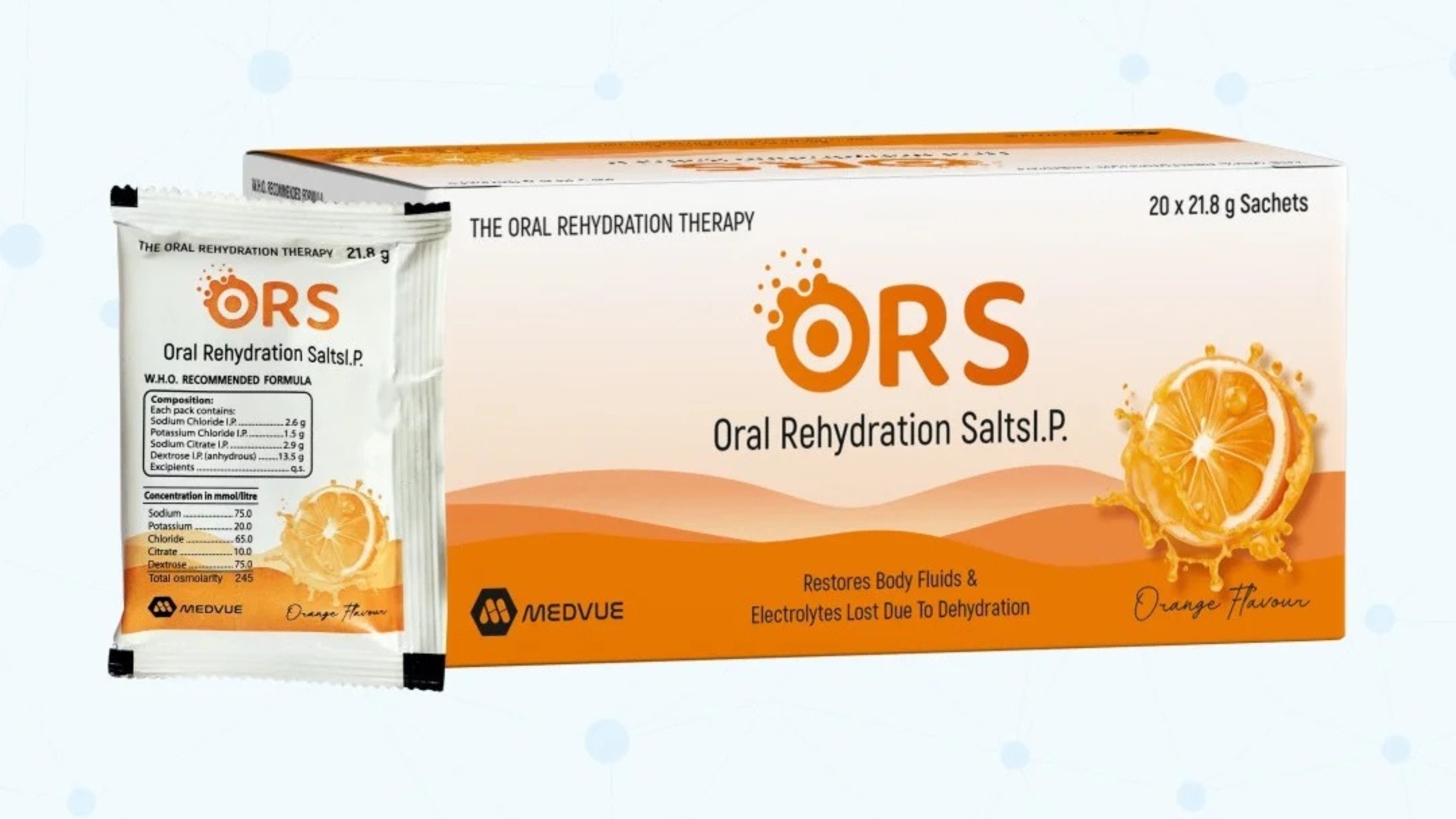
Most trail stomach upsets are short and manageable, if you act early and carry the right things. The kit is small, and it is the difference between a lost afternoon and a lost week. This is general information, not medical advice, so ask a travel doctor what to carry and how to use it before you leave.
Porters often walk ahead with the duffel and may be at the next lodge hours before you. ORS, your stomach medication and any prescription medicine belong in the pack on your back, in original packaging, with a few days spare in case of delays.
Oral rehydration salts (ORS)
Start at the first loose stool, not when you feel weak. At altitude, treat earlier and more firmly than you would at home.
Mix with treated water, exactly as the packet says. Some commercial products are for adults only, so read the label.
Drink steadily: about a quarter of a litre (two glasses) after each loose stool for an adult, plus your normal fluids. Keep sipping through nausea.
Home recipe if you run out: 6 level teaspoons of sugar and half a level teaspoon of salt in 1 litre of treated water.
Plain water or sports drinks alone are not enough, because they do not replace the salts you are losing.
What to pack in the kit for ABC Trek?
Medicine | For | Rule |
ORS sachets | Replacing fluid and salts | First step for any diarrhoea or vomiting. Carry several. |
Anti-diarrhoeal (loperamide) | Slowing watery diarrhoea so you can travel or rest | Short-term only, and never with blood in the stool or a high fever. Not for young children. |
Antibiotic prescribed by a travel doctor | Moderate to severe bacterial diarrhoea | Only on a doctor's advice. Azithromycin is commonly prescribed for Nepal because Campylobacter is common and resistance to other antibiotics is widespread. |
Anti-nausea medicine | Vomiting that stops you keeping fluids down | Ask your doctor which one suits you. |
Antacid or indigestion tablets | Heartburn and a heavy stomach from new food and altitude | Fine for mild symptoms. Persistent pain needs advice. |
Paracetamol | Headache and fever | Follow the label. A headache can also be altitude illness. |
Your own prescription medicine | Whatever you take regularly | Original packaging, spare days, and never packed with the porter's bag. |
Warning: how to use an anti-diarrhoeal
It treats the symptom, not the cause, and ORS comes first. Use it only for watery diarrhoea without blood or high fever, and only for a short spell. If the diarrhoea is bloody, comes with fever, or lasts beyond about two days, stop and get advice. Never use it as a way to keep climbing.
Danger: do not climb higher while ill
Do not go higher until the diarrhoea has stopped and you are fully rehydrated. Dehydration raises the risk of altitude sickness, and the symptoms overlap. Get medical help for blood in the stool, a fever above 39°C, vomiting that lasts more than two days, symptoms lasting more than five days, dizziness or confusion, or very little urine. Get advice early if the person is pregnant, a young child or over about 65.
Insight: protect the group
A sick trekker should not prepare food for others, and everyone should wash hands with soap and clean water before eating. Stomach bugs spread fast inside a group sharing a table.
Before you go, ask a travel clinic about hepatitis A and typhoid vaccines. There is no vaccine for hepatitis E.
Water checklist before leaving for ABC Trek
Two wide-mouth 1-litre bottles, one rated for hot water
Chlorine dioxide tablets for the whole trek
A 0.2 micron filter and cloth, if you are carrying one
ORS sachets, hand sanitizer and soap
Your stomach kit and prescription medicine, in your own daypack
A sock for using a bottle as a bed warmer
Frequently asked questions
Is the water safe to drink on the ABC trek?
Only after it has been boiled or treated. Boiled water from lodge kitchens is the everyday safe supply. Taps, springs and streams should always be treated.
Why can't I drink from a tap or stream?
Water cannot be judged by looking. Streams pass villages, lodges and trail traffic, taps are shared with households, and the bacteria, viruses and protozoa that cause illness cannot be seen, smelled or tasted.
Can I buy bottled water on the ABC trek?
Not above Chhomrong, where single-use plastic bottles are banned in the Annapurna Sanctuary. Below Chhomrong some bottled water is sold, but a reusable bottle refilled with boiled water is the better plan.
How much does boiled water cost?
Roughly NPR 60 to 150 a litre in the lower villages, NPR 100 to 300 in the middle section and NPR 200 to 500 at MBC and ABC. A big thermos pot of 2 to 2.5 litres costs about the litre rate times its size.
How much water should I drink a day?
3 to 4 litres of fluid. Tea and soup count, and pale yellow urine means you are drinking enough.
What is the best way to purify water?
Buy boiled water at lodges and carry chlorine dioxide tablets as backup. A 0.2 micron filter is an optional extra, and worth carrying from May to October when Cyclospora is about, because tablets do not stop it.
Which water purification tablets should I buy?
Chlorine dioxide tablets such as Micropur MP1 or Aquamira. Plain chlorine tablets (NaDCC, often sold as Aquatabs) are only moderately effective against Giardia and do not work against Cryptosporidium. Micropur Forte, common in Nepal, is chlorine with silver, not chlorine dioxide.
Do I need to treat water that is already boiled or filtered?
Not if you saw it boiled or it came from the kitchen pot. Treat hot water from a flask you did not see filled, and add a tablet to filtered refill water if you cannot tell what treats it, since basic filters do not remove viruses.
What medicine should I carry for an upset stomach?
ORS sachets, an anti-diarrhoeal such as loperamide for short-term use without blood or fever, an antibiotic prescribed by your travel doctor, anti-nausea medicine and your own prescriptions. Keep them in your daypack, and ask a travel doctor what suits you.
How do I stop my bottle freezing?
Keep it in your sleeping bag, use a wide mouth, and store it upside down so ice forms at the base. A bottle of boiled water in the bag doubles as a bed warmer.
KEEP EXPLORING
Uncover similar insights
Difference of Hiking Shoes, Trekking Boots and Trail Runners
AMS, HACE, and HAPE on Everest Three Passes Trek
Teahouse Facilities on the Manaslu Circuit Trek with Tsum Valley