

Table of Contents:

Best Time to Visit Everest Base Camp
Month-by-Month Guide
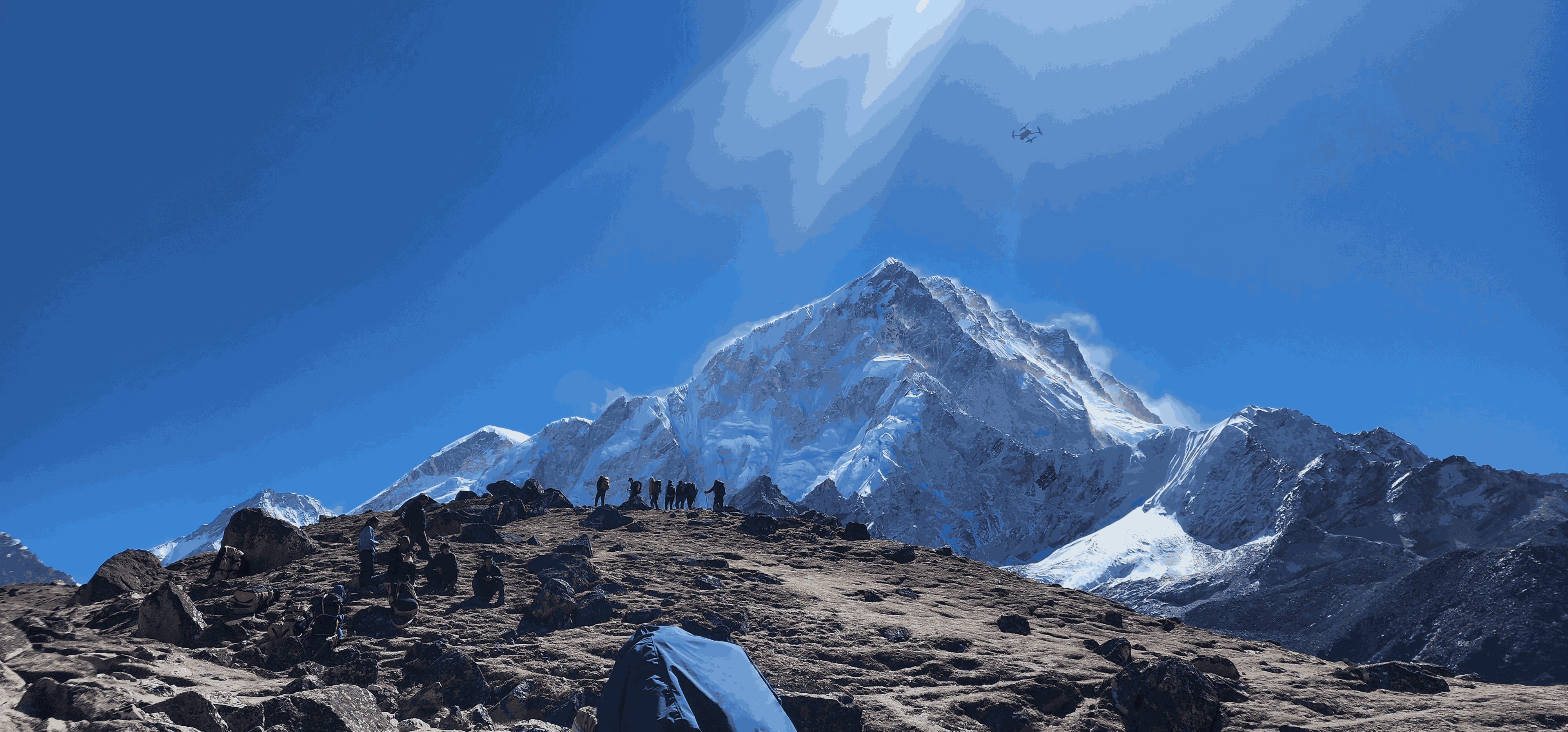
The season you choose does not just change the weather. It changes the character of the trail, the state of the teahouses above Lobuche, whether the Kala Patthar sunrise delivers or disappears into cloud, and whether your Lukla flight lands on day one or strands you in Ramechhap. Every month has a different answer.
Everest Base Camp Trekking Seasons
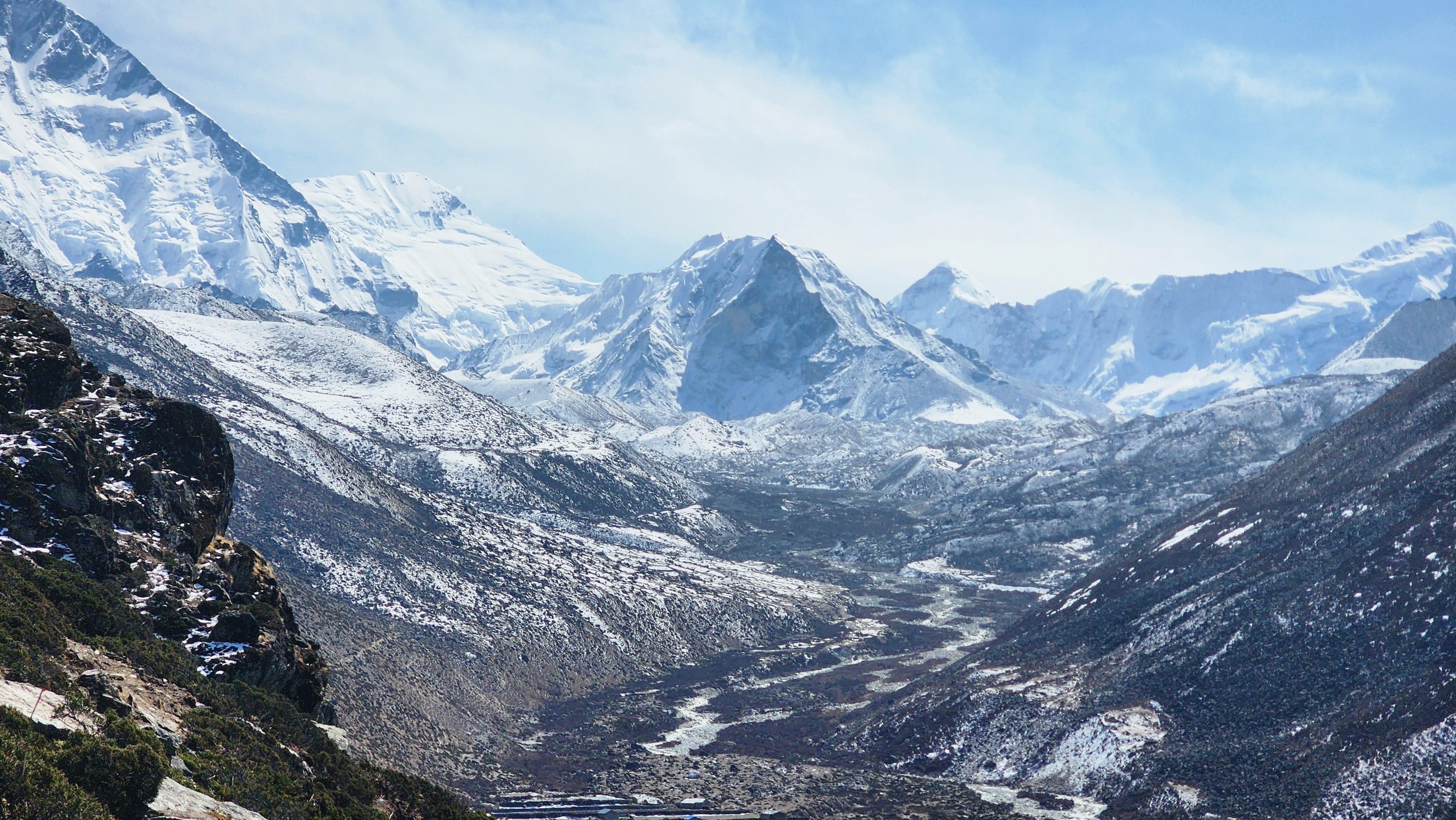
The EBC trek has four distinct seasons, each with a completely different character, risk profile, and experience. Two of them, Autumn and Spring, run the trail at its best. Two others require honest assessment of what you are trading.
Most trekking routes in Nepal have one or two pressure points where timing matters. On the EBC trail, timing matters simultaneously at every elevation for different reasons. The lower trail from Lukla to Namche runs through a forested river gorge that takes the full force of the monsoon from June through August: muddy trails, leeches in the forested sections, and Lukla flights grounded by low cloud for consecutive days. The upper trail from Dingboche to Gorakshep, 30km further north at 4,400m and above, sits in a partial rain shadow and its challenge flips from rain to cold. Two sections, same route, different climates in different seasons.
Layered over all of this is the Lukla air corridor, which operates on visual flight rules at 2,860m. Low cloud grounds all flights immediately. In October and April, the most stable pressure systems of the year keep the corridor open. In monsoon and deep winter, it becomes the most disruptive variable on the entire trek.
If this is your first EBC trek, choose October or April. Both seasons have the trail fully operational, the best flight reliability, and the clearest conditions for Kala Patthar. October gives you the sharpest views. April gives you the rhododendron bloom and the Everest expedition atmosphere at base camp.
For the complete day-by-day trail breakdown and logistics, read our Everest Base Camp Trek Complete Guide.
Everest Base Camp Trek Seasons: When is the Best Time to Go?
Autumn: Best time for Everest Base Camp Trek
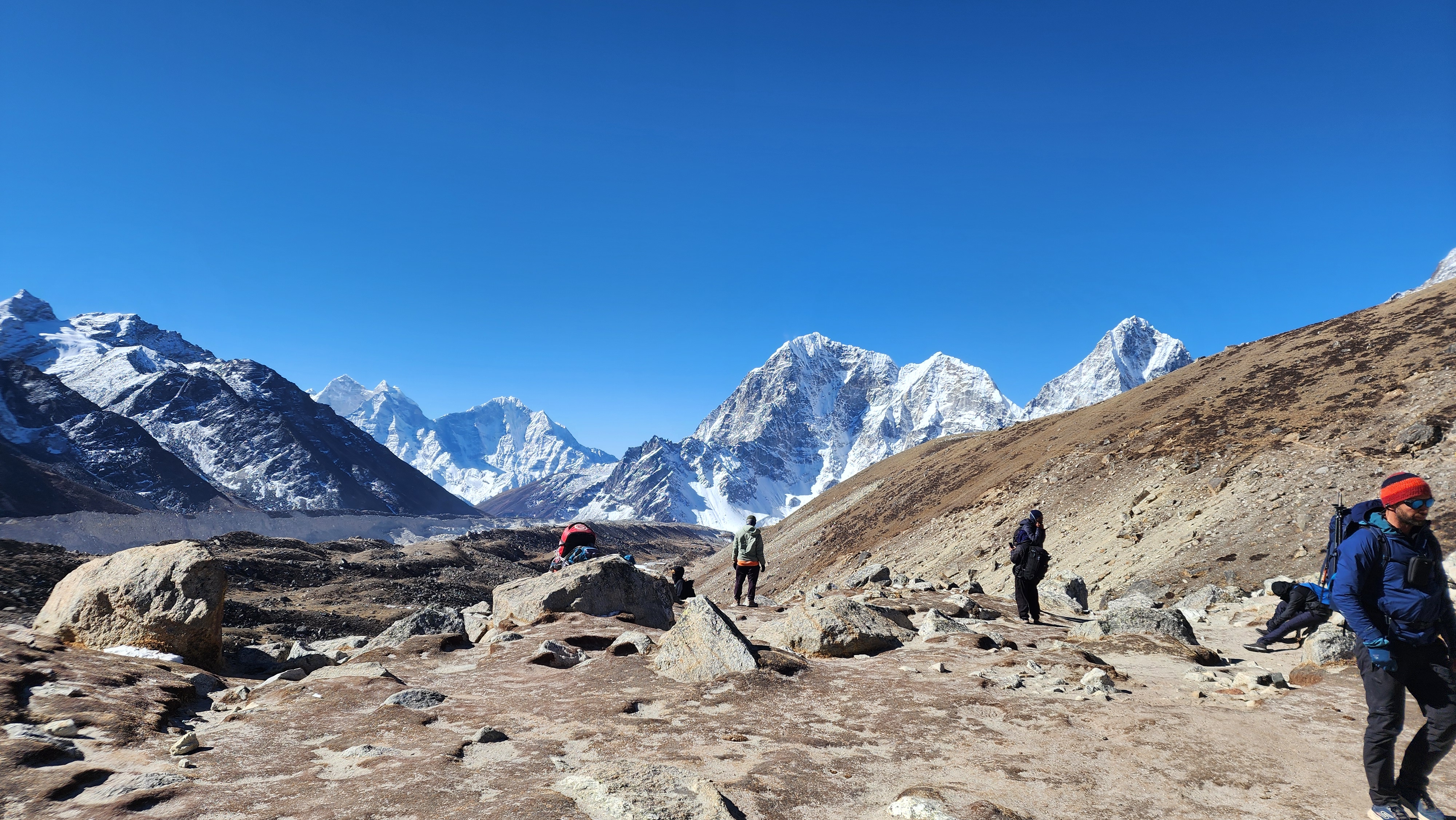
What Autumn Looks Like on the Trail
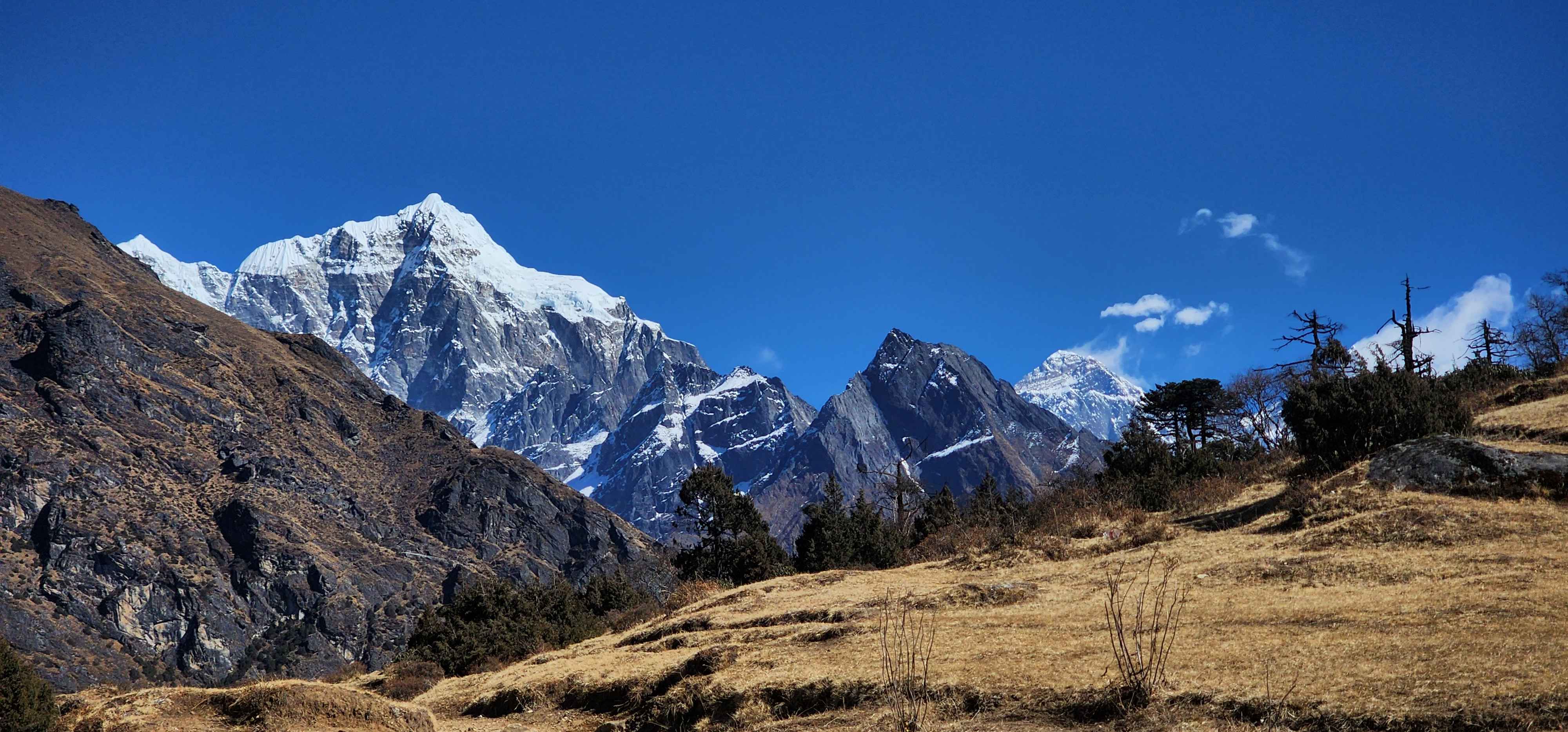
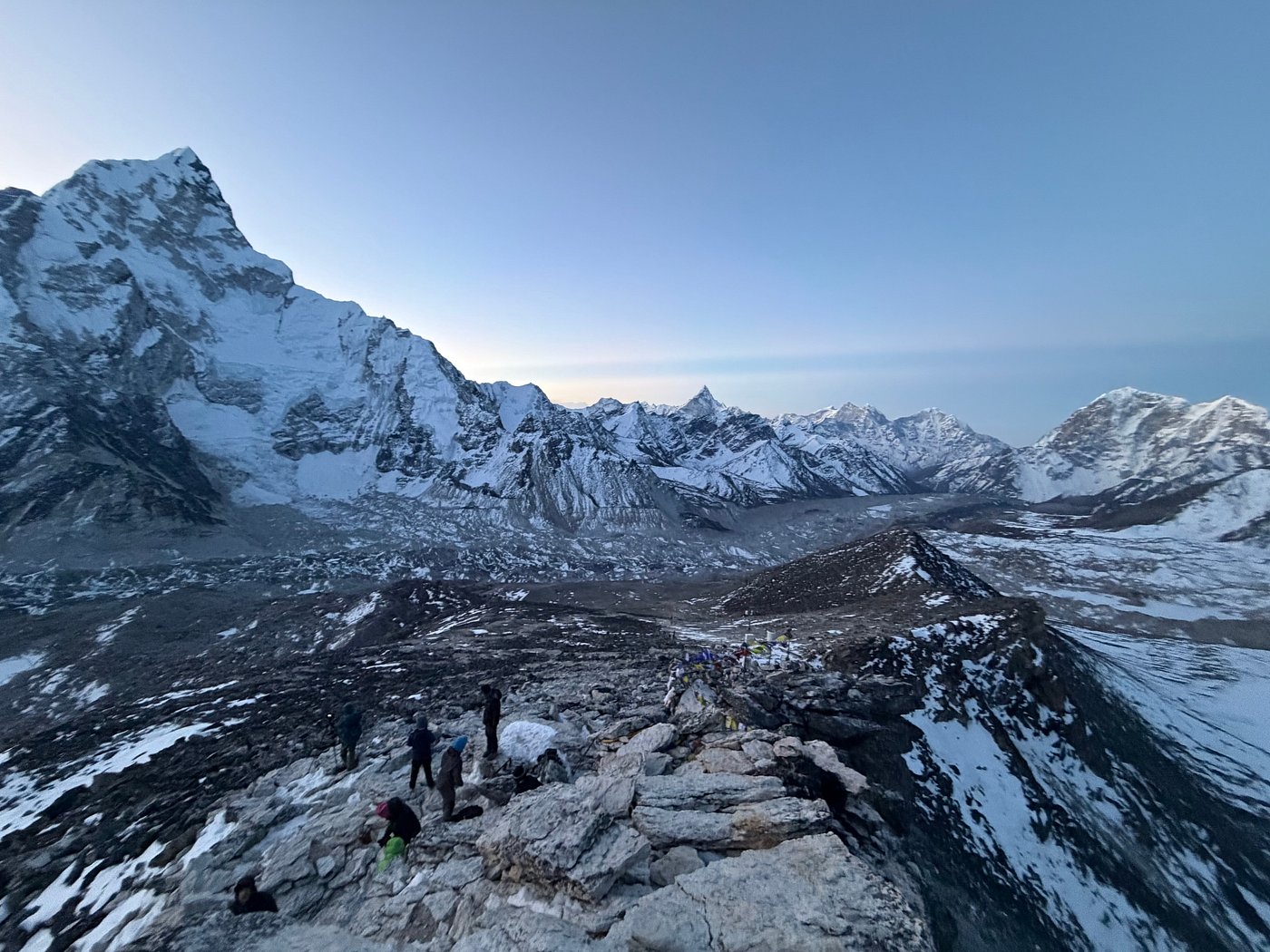
The Tibetan Plateau's high-pressure system pushes dry, stable air south across the Himalayas from late September through November. This is what clears the sky after the monsoon and holds it clear for two months. Post-monsoon air is the cleanest of any season and the result is mountain visibility that spring cannot match. From the ridge above Namche on a clear October morning, the Everest-Lhotse-Nuptse massif is sharp to the ridgeline. From Kala Patthar at sunrise, the southeast face of Everest is visible with a definition.
The trail below 3,000m is dry, firm, and well-maintained. The forested sections between Phakding and Namche carry fallen leaves in late October and the air through the pine has a cold sharpness in the mornings. Above Namche, the scrub turns gold. Above Tengboche the landscape is open and bare, the stone moraine trail dry and stable underfoot all the way to Gorakshep. Every teahouse on the route is open and fully staffed. Dal bhat is available everywhere. Hot showers exist below Dingboche. Above that, water temperature drops as the season progresses.
The cold is autumn's trade-off. The temperature swings between midday and midnight increase dramatically as elevation and season progress together. At Gorakshep in late October, daytime is just below 0°C and nights fall to -15°C inside the unheated teahouse room. By November, Lobuche and Gorakshep nights are as cold as this trail gets outside of deep winter.
The most common serious mistake in October is arriving at Gorakshep or Lobuche with an inadequate sleeping bag. Trekkers rent a bag rated to -10°C, feel fine through the warm lower trail, and then spend two nights at 4,940m and 5,164m in genuine danger. Teahouse blankets are thin and damp. Rooms have no heating. Nights at Gorakshep in late October reach -15°C inside the walls. A sleeping bag rated to -20°C is non-negotiable.
Everest Base Camp Weather and Temperature in Autumn Season
Month | EBC Min / Max | Namche Min / Max | Trail | Sky | What to Expect |
September | -5°C / 8°C | 2°C / 15°C | Muddy below 3,000m first two weeks. Dries rapidly from third week. All teahouses open. | Variable early. Exceptional from late month. | Leeches in forest sections through mid-month. Empty trail. Landscape at its greenest. Lukla unreliable until third week. Best value window of the year. |
October | -15°C / 0°C | -5°C / 12°C | Dry, stable, excellent footing at all elevations. Full teahouse infrastructure open. | Exceptional. Sharpest views of the year. | Peak crowds. Kala Patthar sunrise at its finest. Gorakshep nights reach -15°C inside room. -20°C sleeping bag mandatory. |
November | -20°C / -8°C | -8°C / 10°C | Dry, possible light snow above 4,500m late month. Gorakshep services reducing end of month. | Excellent. Low winter light on the faces. | Crowds drop from first week. Gorakshep may partially close late November. Pre-dawn Kala Patthar is the coldest version of that climb outside winter. -20°C bag required. |
Spring: Best time for Everest Base Camp Trek
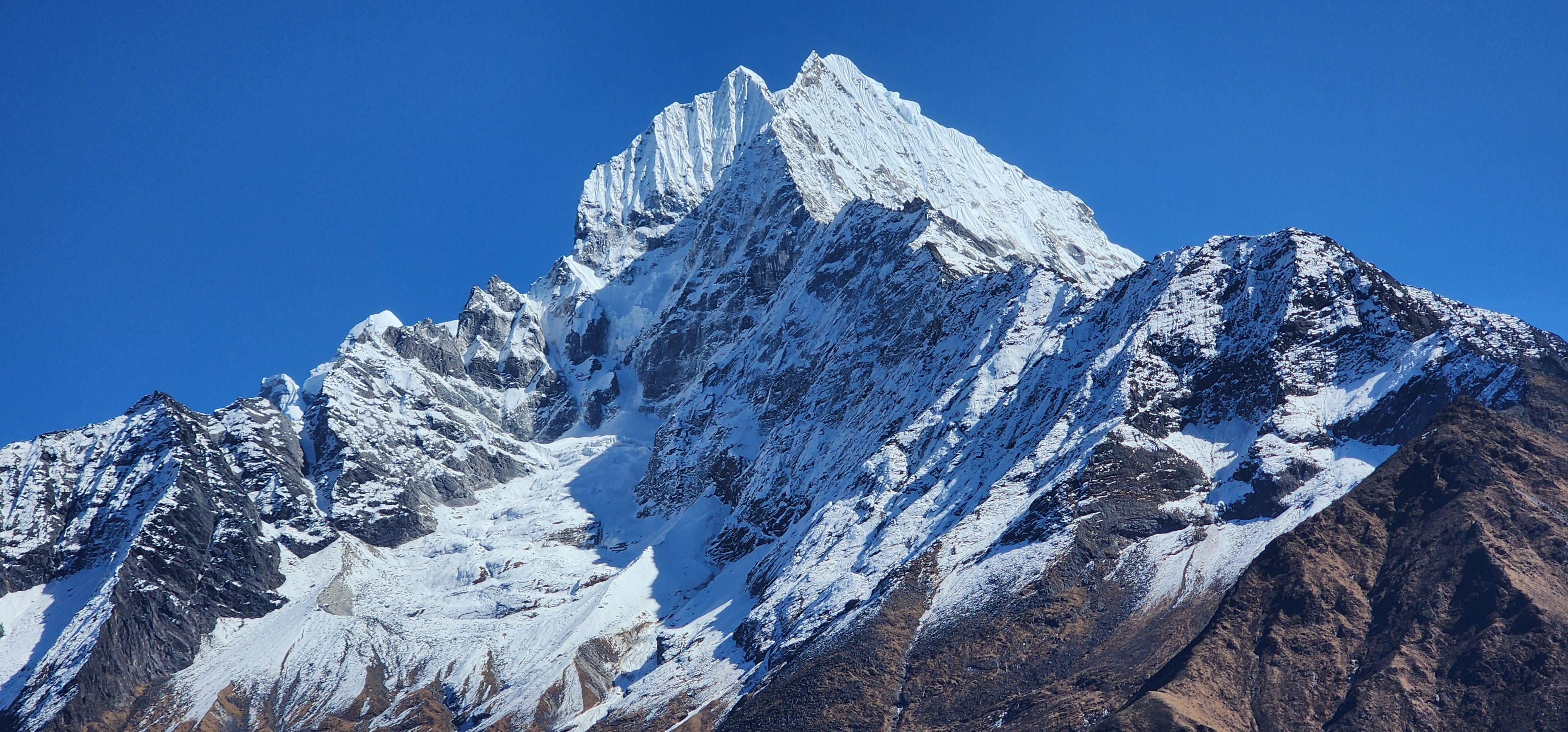
What Spring Looks Like on the Trail
Spring is the other legitimate window and for many returning trekkers the preferred one. The Khumbu warms progressively from March. Rhododendrons bloom through the birch and rhododendron forest on the Tengboche approach from late March through mid-April, red and pink through the canopy, the most visually complete version of that section at any time of year. Everest expedition teams are on the mountain from March through early June, and the approach to base camp carries a different energy: helicopters moving up the valley, teams acclimatizing on the lower mountain, summit bids active above you. Base camp in April and May is a functioning expedition city, not the empty moraine most people picture from the off-season.
The temperature advantage of spring is significant at lower elevations. April at Namche and below is warm enough to walk in a single mid layer during the day. That advantage reverses above 5,000m. Spring wind at altitude can be sharper and colder than the air temperature alone suggests. Wind chill on exposed moraine above Lobuche in April is serious regardless of how warm Namche felt that morning.
The significant trade-off unique to spring is afternoon cloud. Every day from March through May, cloud builds from the south and moves up the valley in the afternoon. Morning views are reliably clear and often excellent. After midday, the upper mountain disappears. This pattern is consistent and predictable. Every meaningful view on this trek happens before noon in spring.
Afternoon Cloud Above 5,000m
In May especially, cloud closes the upper mountain entirely after noon most days. On a cloudy spring afternoon above 5,000m, the loose glacial moraine between Gorakshep and base camp is harder to navigate, shadows disappear, and depth perception on uneven rock deteriorates. Kala Patthar must be climbed before 9am. These are the conditions the mountain sets in spring, year after year.
Everest Base Camp Weather and Temperature in Spring Season
Month | EBC Min / Max | Namche Min / Max | Trail | Sky | What to Expect |
March | -16°C / -5°C | -8°C / 13°C | Good below 4,000m. Possible snow above 4,500m. | Excellent mornings. Some afternoon cloud. | Quiet trail. Rhododendrons budding below 3,000m, full bloom not yet arrived. Cold above 4,000m. Good option for experienced trekkers who want spring without April crowds. |
April | -12°C / 0°C | 2°C / 18°C | Excellent. All teahouses fully open and staffed. | Clear mornings. Cloud building after midday. | Rhododendrons in full bloom on Tengboche approach. Expedition teams active. Base camp is a city. Warm lower trail, cold upper. Second busiest month after October. |
May | -8°C / 5°C | 5°C / 20°C | Good first two weeks. Pre-monsoon rain and cloud from third week. | Clear mornings only. Cloud closes upper mountain after noon. | Summit window opens mid-May. First two weeks excellent. Third week: Lukla less reliable, flight delays increasing. At least one buffer day essential on return. |
Monsoon
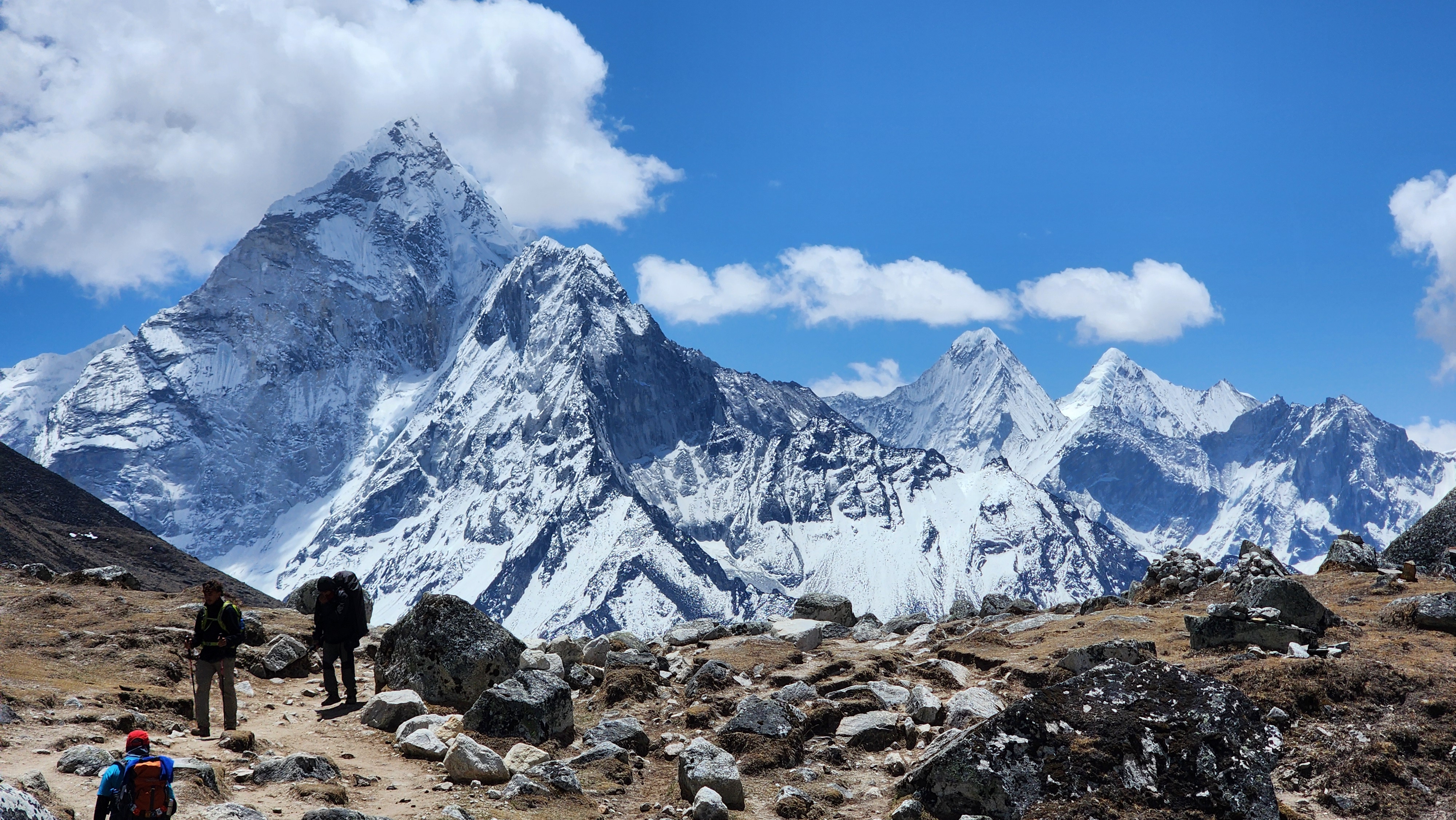
What Monsoon Looks Like on the Trail
The monsoon arrives in the Khumbu in June and the lower trail feels it directly. The forested gorge between Phakding and Namche becomes muddy and slippery after rain. Leeches emerge in the vegetation alongside the trail and on stone steps through the forest, entering through boot lace holes and trouser cuffs. Lukla flights cancel regularly under low cloud, sometimes for three to five consecutive days. Mountain views above 3,500m are obscured for most daylight hours through July and August.
Above 4,000m between Dingboche and Lobuche, conditions are meaningfully drier than the lower trail suggests. Some experienced trekkers find this section workable even in July. The barrier is the lower gorge. It must be crossed to get there, and that is where the monsoon makes the trek genuinely difficult.
The gorge sections below Namche, particularly between Jorsale and Namche where the trail runs below steep exposed faces, carry elevated landslide risk during prolonged monsoon rain. Sections of the lower EBC trail have been temporarily closed due to landslide activity in July and August in multiple recent years. Lukla flights grounding for consecutive days is a baseline expectation in July, not a worst case.
Leeches in the forested trail sections from Phakding to Namche are active from June through mid-September after rainfall. They enter through boot lace holes and trouser cuffs, attach without pain, and are discovered hours later. They are medically harmless but deeply unpleasant. Leech socks worn over trouser cuffs and tucked inside boots eliminate most exposure. Salt or DEET-based repellent detaches them cleanly. Do not pull with fingers or squeeze: this forces the stomach contents back into the wound. Check legs and ankles at every tea stop, not just at the end of the day.
Everest Base Camp Weather and Temperature in Monsoon Season
Month | EBC Min / Max | Namche Min / Max | Trail | Sky | What to Expect |
June | -2°C / 8°C | 8°C / 20°C | Muddy and slippery below 3,000m. Leeches active. Lukla unreliable from mid-month. | Heavy cloud. Views mostly obscured. | First week still viable above 3,500m. Mid-June onward: persistent rain on lower trail, landslide risk in gorge, Lukla flights cancel regularly. Not recommended for most. |
July | 2°C / 12°C | 10°C / 22°C | Wet, slippery, leeches throughout forest sections, landslide risk in gorge below Namche. | Persistent cloud and rain at lower elevations. | Wettest month. Trail completely empty. Upper Khumbu above 4,000m drier but lower gorge is the barrier. Flights cancel for consecutive days. Lower Khumbu lush and green. Avoid unless experienced with monsoon conditions and genuinely flexible. |
August | 1°C / 12°C | 9°C / 21°C | Improving from third week. Leeches active through mid-month. | Improving from third week. | Similar to July first half. Late August improving significantly. Lukla reliability improves. Late August to third week of September is the best transitional window for experienced trekkers targeting empty trail and post-monsoon conditions. |
Winter
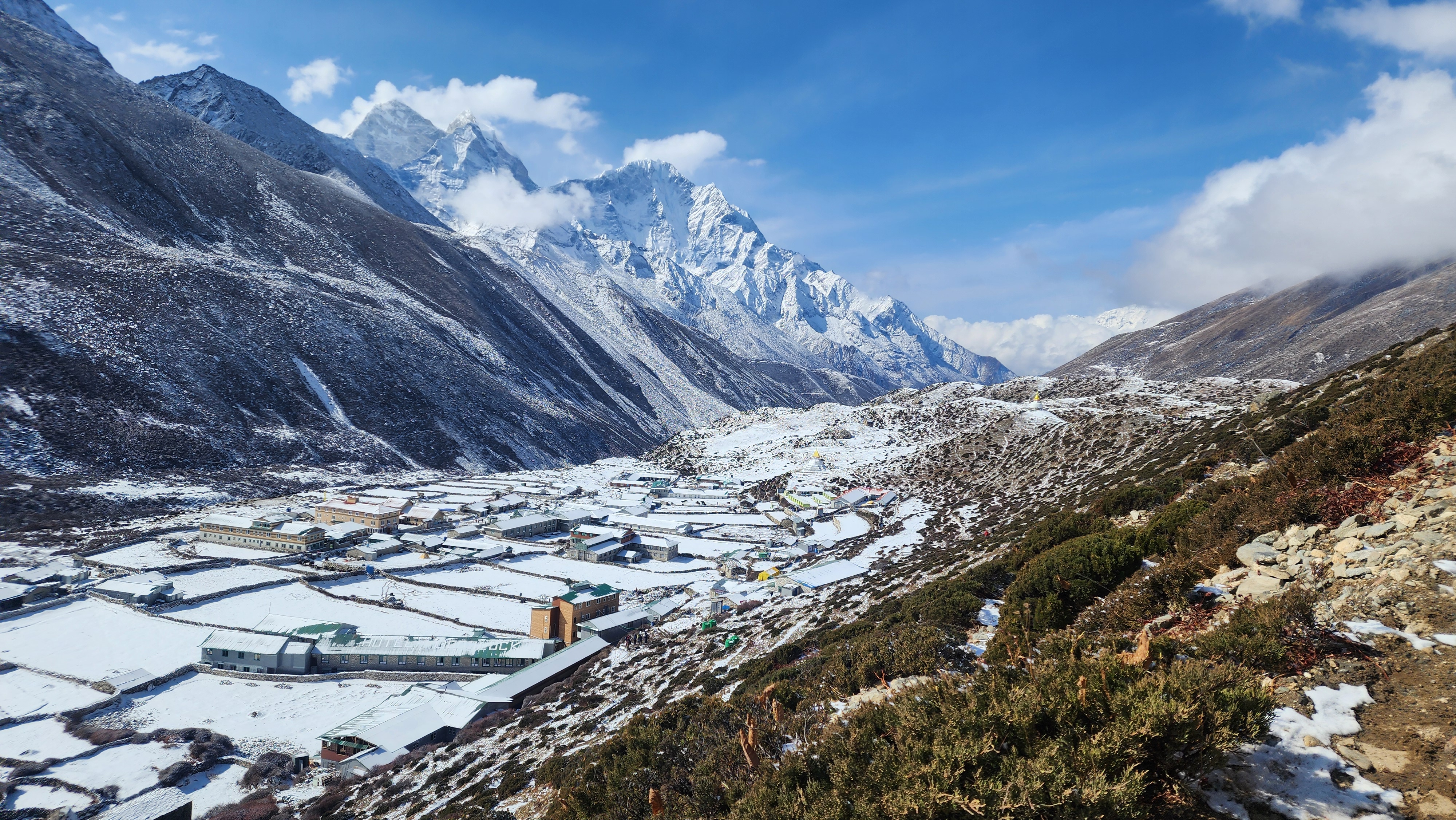
What Winter Looks Like on the Trail
Winter is the trail at its most demanding and its most private. Above Namche from December through February: trails ice over on shadowed sections, water pipes freeze in teahouses above Dingboche, daylight shrinks to five or six hours in January, and some teahouses above Namche reduce services or close entirely. The teahouse rooms are unheated stone and the temperature inside drops to match the air outside by midnight. At Gorakshep in January, nights reach -25°C. A sleeping bag and a down jacket worn inside it are what you sleep in. The teahouse blankets go on top of both.
What winter gives in return is worth naming plainly. The trail above Namche is almost empty. The mountain views on clear winter days are exceptional: full snowpack on every peak, winter light that autumn and spring do not produce, complete quiet. The sky in deep winter is often the sharpest of any season. For trekkers with prior winter high-altitude experience, proper gear, and no fixed departure deadline, winter is a legitimate and rewarding choice. For first-time EBC trekkers, it is not the right time to learn what altitude feels like.
Above 4,000m from December through February, north-facing and shadowed trail sections ice over overnight and stay iced until midday or longer. The Thukla Pass approach and sections of the moraine trail between Lobuche and Gorakshep are the most consistent ice points. Micro spikes are not optional equipment above Dingboche in winter. They are the difference between controlled movement and a fall on steep icy ground at altitude with limited rescue infrastructure nearby.
Everest Base Camp Weather and Temperature in Winter Season
Month | EBC Min / Max | Namche Min / Max | Trail | Sky | What to Expect |
December | -22°C / -10°C | -12°C / 8°C | Icy above 4,000m on shadowed sections. Pipes freezing above Dingboche overnight. Services reducing above Namche. | Clear and cold. | Early December is the most workable winter entry. Full snowpack on peaks. Quiet trail. Teahouses above Lobuche reducing menus. -25°C sleeping bag essential. Micro spikes above Dingboche. Late December = January with less preparation time. |
January | -25°C / -12°C | -15°C / 5°C | Icy above 3,500m. Many teahouses above Namche closed or minimal. No running water above 4,500m. | Often very clear. Sharpest views of the year. | Coldest month. 5 to 6 hours daylight. Teahouse rooms reach outside temperature at night. AMS harder to distinguish from cold exposure. HRA clinic reduced hours. Evacuation options limited. Empty trail. |
February | -23°C / -10°C | -13°C / 8°C | Icy on shadowed sections. Improving late month. Teahouses beginning to reopen above Namche. | Clear and improving through month. | Better trajectory than January. Late February best winter entry for experienced trekkers. Rhododendrons budding below Namche. Lukla flights reliable. -25°C bag, micro spikes. |
EBC Trek Weather by Month: Complete Temperature Table
Month | EBC Min | EBC Max | Namche Min | Namche Max | Trail Conditions |
January | -25°C | -12°C | -15°C | 5°C | Icy above 3,500m. Many teahouses above Namche closed. No running water above 4,500m. |
February | -23°C | -10°C | -13°C | 8°C | Icy on shadowed sections. Improving late month. Teahouses beginning to reopen. |
March | -16°C | -5°C | -8°C | 13°C | Good below 4,000m. Possible snow above 4,500m. Some teahouses still reopening above Namche. |
April | -12°C | 0°C | 2°C | 18°C | Excellent. Fully open. Rhododendrons in bloom. |
May | -8°C | 5°C | 5°C | 20°C | Good first two weeks. Pre-monsoon cloud and rain from third week. |
June | -2°C | 8°C | 8°C | 20°C | Muddy below 3,000m. Leeches active. Lukla unreliable. |
July | 2°C | 12°C | 10°C | 22°C | Wet, leeches, landslide risk in gorge below Namche. |
August | 1°C | 12°C | 9°C | 21°C | Improving from third week. Leeches through mid-month. |
September | -5°C | 8°C | 2°C | 15°C | Muddy early month. Dries rapidly from third week. All teahouses open. |
October | -15°C | 0°C | -5°C | 12°C | Dry, stable, excellent footing. Fully booked above Namche. |
November | -20°C | -8°C | -8°C | 10°C | Dry. Possible snow above 4,500m late month. Services reducing at Gorakshep. |
December | -22°C | -10°C | -12°C | 8°C | Icy above 4,000m. Teahouses reducing services. Pipes freezing above Dingboche |
Everest Base Camp Trek Unpredictability: What No Forecast Tells You
The Khumbu is not a predictable environment in any season. Clear October skies can deliver an overnight snowfall above 5,000m that covers the moraine trail by morning. A stable April forecast can break into afternoon cloud and rain at 3pm that reduces visibility on the upper moraine to 50 metres. December can produce clear, calm days above Namche that feel like late autumn. January can produce storm conditions that keep trekkers in Dingboche for two days without warning. Every season has a character, and every season has the capacity to deviate from it without notice. The preparation that accounts for this is not a bigger weather app. It is a guide who knows the terrain in deteriorating conditions, gear appropriate for 10°C colder than the forecast, and buffer days that absorb what the mountain decides to do.
Ultimately, the Everest Base Camp trek is not a one-size-fits-all journey. The season you select shapes everything from the clarity of your morning views at Kala Patthar to the logistical realities of your flights and teahouse stays. While October and April offer the most reliable windows, every month on the calendar demands a specific set of trade-offs, careful preparation, and a deep respect for the unpredictability of the Himalayas.
As you look ahead to your own trek, a crucial question remains: are you drawn to the vibrant, blooming trails and active expedition energy of spring, or are you willing to prepare for the biting high-altitude cold of autumn to secure the sharpest, clearest mountain views of the year?
Contact us or talk to our team if you need more details or want to inquire about our EBC trek.
KEEP EXPLORING
Uncover similar insights
Day-by-Day Demands, Training Plan, and Mental Grit
Month-by-Month Guide to do Everest Three Passes Challenge