
Permit Fee for Nepal Trekking 2026
A Guide to Nepal's Trekking Permit Areas
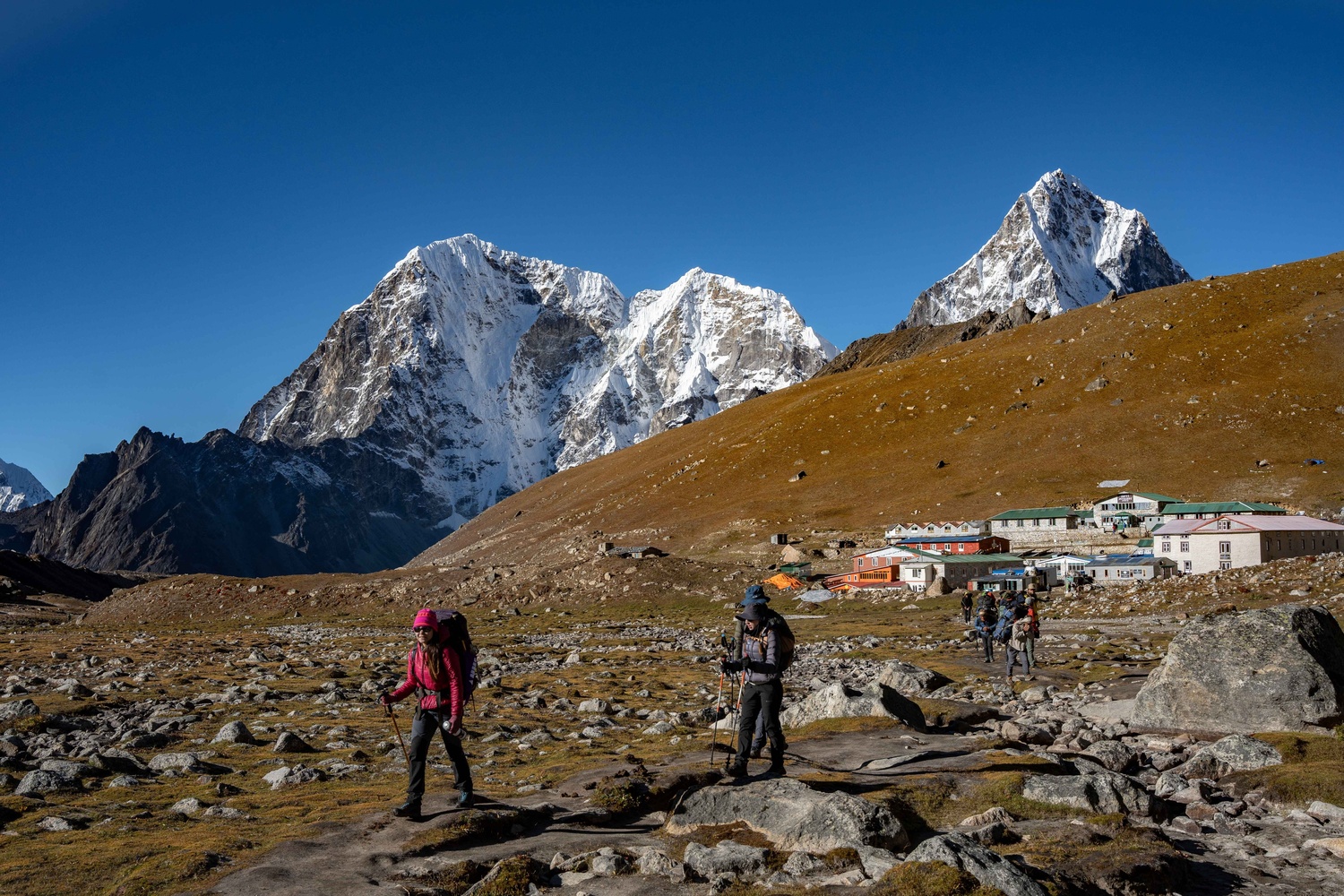
If you’re eyeing the Himalayas for 2026, the first thing you need to pack isn't your down jacket, it's the right paperwork. Nepal’s trekking rules have seen a significant overhaul recently, and showing up unprepared is the fastest way to get your trip cut short.
This guide explains which trekking permits are required, what they cost, and how recent changes, especially around solo trekking affect you.
In Nepal, a trekking permit is your legal ticket into the high country. It doesn't matter if you’re a seasoned pro or a first-timer; these documents are mandatory for everyone. Each region has its own specific set of rules and price tags, so you can't just assume one permit covers it all. Walking into the mountains without the proper clearance is a gamble that usually ends with a heavy fine at a remote checkpoint.
Permits are administered by multiple government and semi-government bodies, including:
1. The Department of Immigration
2. The Nepal Tourism Board (NTB)
3. The Trekking Agencies’ Association of Nepal (TAAN)
4. The Department of National Parks and Wildlife Conservation (DNPWC)
5. The National Trust for Nature Conservation (NTNC)
Together, these institutions track trekkers, manage environmental impact, and ensure accountability in case of emergencies.
What is a Trekking Permit and is it Mandatory?
A trekking permit is a government-issued authorization that grants you legal entry into protected, high-altitude, or sensitive regions. Think of it as your official "license to walk" in the Himalayas.
Is it mandatory? Yes, 100%.
Don’t listen to outdated forum posts or that one "hardcore" guy who claims he snuck past a checkpoint a decade ago. In 2026, the permit system is the backbone of mountain safety and environmental management. Checkpoints are now digitized and linked across every major trekking hub. If you are caught in a National Park or a Restricted Area without the correct paper, you aren't just a rebel; you are a trespasser on protected government land. The penalties are strict: you’ll face a fine double the original cost, and you could be escorted off the mountain or face legal trouble. More importantly, these permits are your safety net. They allow authorities to know exactly who is in which valley, which is vital information if a storm rolls in or a rescue operation is needed.
Types of Trekking Permits
Depending on where your boots hit the dirt, you will need a specific combination of these four permits. Here is the 2026 breakdown of what they are and why they exist.
1. TIMS (Trekker’s Information Management System)
The TIMS card is essentially your "digital footprint" in the mountains, managed by the Nepal Tourism Board (NTB) and the Trekking Agencies’ Association of Nepal (TAAN). In 2026, the reality of FIT (Free Individual Trekker) status is a mixed bag. For the major arteries of Nepal, specifically the Annapurna, Langtang, and Helambu regions, the government has effectively ended the solo era. In these zones, you are strictly forbidden from trekking as an FIT. rekkers must be registered through a licensed trekking agency, which processes the TIMS card on their behalf.
In practice:
1. You cannot independently obtain a TIMS card for these regions
2. A licensed guide and agency registration are required
3. Trekkers found without a guide or TIMS card in mandatory zones may face fines (currently reported up to NPR 12,000)
Everest Region Exception
The Khumbu (Everest) region does not use the TIMS system and instead operates under a local municipality entry fee. This has allowed limited solo trekking to continue there, though regulations remain subject to change.
|
S.No |
Category |
Fee (Per Person) |
|
1 |
SAARC Nationals |
NRs. 1,000 |
|
2 |
Foreign Nationals |
NRs. 2,000 |
2. Restricted Area Permit (RAP)
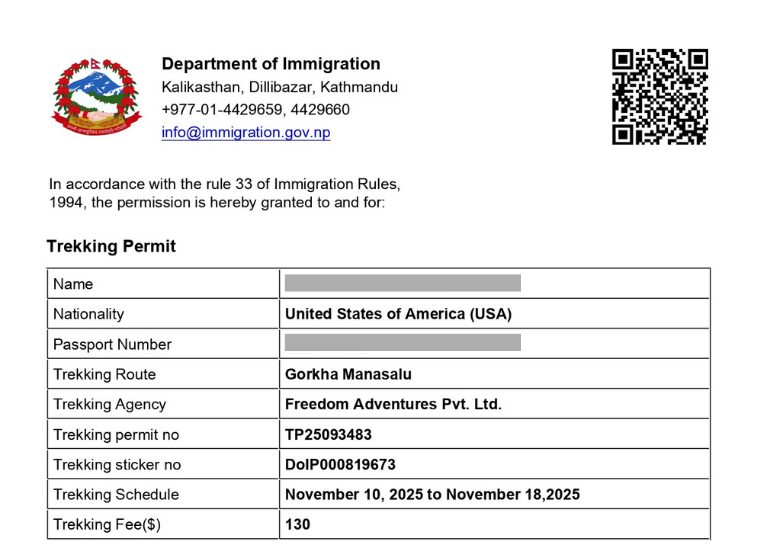
Often whispered about as the "Special Permit," the Restricted Area Permit is the most tightly controlled document in the country. This isn't just about conservation; it’s about national security and cultural preservation in zones that hug the Tibetan border, like Upper Mustang, Manaslu, and Dolpo.
Key rules:
1. Solo trekking is not permitted
2. A minimum of two trekkers is required
3. A government-licensed guide is mandatory
4. Only registered trekking agencies can apply
RAPs are issued by the Department of Immigration in Kathmandu at the Kalikasthan office in Kathmandu.Individual trekkers cannot apply directly. Agencies are legally responsible for your itinerary, conduct, and compliance with regional restrictions.
These controls are designed to protect national security, preserve fragile cultures, and prevent unregulated access to sensitive border zones.
|
S.No. |
Restricted Trekking Areas |
Permit Fee |
|
1 |
USD 50 per person/Day |
|
|
2 |
Upper Dolpa |
USD500 per person (for the first 10 days) |
|
USD 50 per person/Day (beyond 10 days) |
||
|
3 |
Gorkha Manaslu Area |
September – November |
|
USD 100 per person/week |
||
|
USD 15 per person/day (beyond 1 week) |
||
|
December – August |
||
|
USD 75 per person/week |
||
|
USD 10 per person/day (beyond 1 week) |
||
|
4 |
Humla |
USD 50 per person/week |
|
USD 10 per person/day (beyond 1 week) |
||
|
5 |
Taplejung (Olangchung Gola and Kanchenjunga) |
USD 20 per person/week (for the first 4 weeks) |
|
USD 25 per person/week (beyond 4 weeks) |
||
|
6 |
Lower Dolpa Area |
USD 20 per person/week |
|
USD 5 per person day (beyond 1 week) |
||
|
7 |
Dolakha (Lapche Valley and Tashi Lapcha Pass) |
USD 20 per person/week |
|
8 |
Gorkha Tsum Valley Area |
September – November |
|
USD 40 per person/week |
||
|
USD 7 per person/day (beyond 1 week) |
||
|
December – August |
||
|
USD 30 per person/week |
||
|
USD 7 per person/day (beyond 1 week) |
||
|
10 |
Sankhuwasabha (Makalu Area) |
USD 20 per person/week (for the first 4 weeks) |
|
USD 25 per person/week (beyond 4 weeks) |
||
|
11 |
Solukhumbu (Thame and Tashi Lapcha Area) |
USD 20 per person/week (for the first 4 weeks) |
|
USD 25 per person week (beyond 4 weeks) |
||
|
12 |
Rasuwa (Rasuwaghat and Thuman Area) |
USD 20 per person/week |
|
13 |
September – November |
|
|
USD 100 per person/week |
||
|
USD 15 per person/day (beyond 1 week) |
||
|
December – August |
||
|
USD 75 per person/week |
||
|
USD 15 per person/day (beyond 1 week) |
||
|
14 |
Bajhang (Mount Saipal Area) |
USD 90 per person/week for the first week |
|
USD 15 per person/day (beyond 1 week) |
||
|
15 |
Mugu (Mugum Karmarong Rural Municipality) |
USD 100 per person/week |
|
USD 15 per person/day (beyond 1 week) |
||
|
16 |
Darchula (Api and Nampa Himal Area) |
USD 90 per person/week |
|
USD 15 per person/day (beyond 1 week) |
Documents Required for a Restricted Area Permit (via Agency)
To apply for a RAP, trekking agencies typically require:
Personal Documents
1. Copy of passport
2. Valid Nepal visa covering trekking duration
3. Original passport (submission required during processing)
Trek Information
1. List of trekkers
2. Day-wise trekking itinerary
3. Program schedule
Agency Documents
1. Agency guarantee letter
2. Contract agreement with trekkers
3. Valid trekking license (Ministry of Tourism)
4. Tax clearance certificate
5. PAN registration certificate
6. Nepal Rastra Bank foreign exchange license
7. Proof of insurance for trekkers and Nepali staff
8. Bank payment voucher for permit fees
3. National Park Permit
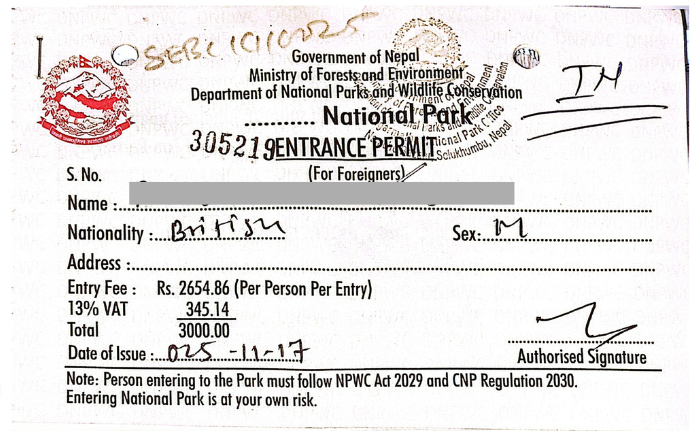
If your trail cuts through the rugged wilderness of Sagarmatha, Langtang, or any of the 12 national parks in Nepal, you are entering territory monitored by the Department of National Parks and Wildlife Conservation (DNPWC). Established in 2037 BS (1980 AD), the DNPWC was created to stop the bleeding of Nepal’s biodiversity and manage the delicate ecosystems across the high mountains and plains. These permits are your contribution to the rangers and the military units that patrol the parks to prevent poaching and illegal logging.
While these permits can technically be bought at park gates, the smart move in 2026 is to have your trekking company handle the process at the DNPWC counter in Bhrikuti Mandap, Kathmandu ensuring:
1. Correct VAT calculation
2. Faster processing
3. No delays at remote checkpoints
|
S.No |
National Park / Wildlife Reserve |
SAARC Fee (Per Entry) |
Foreigner Fee (Per Entry) |
|
1 |
Chitwan National Park |
NRs. 1,000 per person |
NRs. 2,000 per person |
|
2 |
Sagarmatha National Park |
NRs. 1,500 per person |
NRs. 3,000 per person |
|
3 |
Banke National Park |
NRs. 750 per person |
NRs. 1,500 per person |
|
4 |
Bardia National Park |
NRs. 750 per person |
NRs. 1,500 per person |
|
5 |
Khaptad National Park |
NRs. 1,500 per person |
NRs. 3,000 per person |
|
6 |
Langtang National Park |
NRs. 1,500 per person |
NRs. 3,000 per person |
|
7 |
Makalu-Barun National Park |
NRs. 1,500 per person |
NRs. 3,000 per person |
|
8 |
Parsa National Park |
NRs. 750 per person |
NRs. 1,500 per person |
|
9 |
Rara National Park |
NRs. 1,500 per person |
NRs. 3,000 per person |
|
10 |
Shey-Phoksundo National Park |
NRs. 1,500 per person |
NRs. 3,000 per person |
|
11 |
Shuklaphanta National Park |
NRs. 750 per person |
NRs. 1,500 per person |
|
12 |
Shivapuri–Nagarjun National Park |
NRs. 600 per person |
NRs. 1,000 per person |
|
13 |
Dhorpatan Hunting Reserve |
NRs. 1,500 per person |
NRs. 3,000 per person |
|
14 |
Koshi Tappu Wildlife Reserve |
NRs. 750 per person |
NRs. 1,500 per person |
4. 4. Conservation Area Permit (CAP)
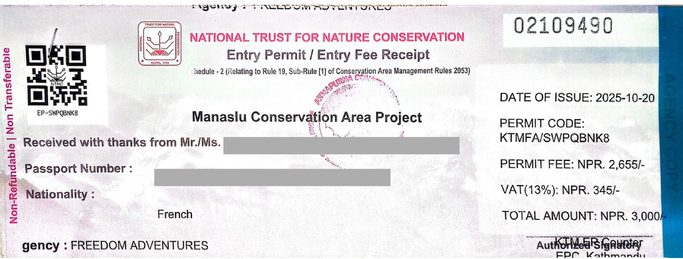
The Conservation Area Permit, specifically for ACAP (Annapurna), MCAP (Manaslu), and GCAP (Gaurishankar) is a different beast altogether, governed by the National Trust for Nature Conservation (NTNC). Unlike National Parks, which are often strictly wilderness, Conservation Areas are inhabited by thousands of locals whose lives are intertwined with the trail. This permit is designed on a community-based model, meaning the revenue doesn't just disappear into a federal bank account in the capital; it is funneled back into the villages to fund schools, repair bridges, and provide sustainable energy. Your trekking company is responsible for securing these permits at the NTNC office within the Nepal Tourism Board building. Because these regions are home to people, the permit ensures a "mutual respect" between the trekker and the resident. By having your company regulate this, the government ensures that the tourism flow is matched by a direct financial injection into the mountain communities you are walking through.
|
S.No |
Conservation Area |
SAARC Fee (Per Entry) |
Foreigner Fee (Per Entry) |
|
1 |
Api Nampa |
NRs. 500 per person |
NRs. 2,000 per person |
|
2 |
NRs. 1,000 per person |
NRs. 3,000 per person |
|
|
3 |
Blackbuck |
NRs. 500 per person |
NRs. 2,000 per person |
|
4 |
Gaurishanker |
NRs. 1,000 per person |
NRs. 2,000 per person |
|
5 |
Kanchenjunga |
NRs. 500 per person |
NRs. 3,000 per person |
|
6 |
Manaslu |
NRs. 1,000 per person |
NRs. 3,000 per person |
Why This Matters
This isn't just about following rules; it's about the sustainability of the mountains you love. Here is why the system matters in 2026:
1. Safety and Accountability: The mandatory TIMS and the NPR 12,000 fine ensure that every hiker has a safety net. If you go missing, digital logs tell rescuers exactly where to start. While enforcement at every single trail junction is inconsistent, don't play that game. If you're caught in a "mandatory guide" zone without one, the police have the right to escort you back to the nearest town. Don't risk your vacation to save $25 a day.
2. Price Discrimination: You will notice SAARC citizens (India, Pakistan, etc.) pay significantly less. Don’t get salty about it; it’s an inter-governmental agreement designed to promote regional tourism.
3. Where the money goes: A portion goes to "local development," but a significant amount is tied up in administrative overhead. If you want to actually help the locals, spend money in the teahouses and buy local crafts. Don’t just rely on your permit fee to "do good."
4. Environmental Protection: The DNPWC has been managing biodiversity since 2037 BS. Your fees fund the rangers who protect endangered species like the Snow Leopard from poaching and habitat loss.
5. Industry Standards: By requiring a registered agency to handle permits, the government ensures that only legitimate businesses operate in the mountains, increasing overall safety and service quality.
6. Welfare of Staff: Current regulations mandate that agencies provide proper gear, insurance, and fair wages for guides and porters. Your permit is part of a system that protects the people who make your trek possible.
7. Direct Local Impact: The shift toward Rural Municipality fees (like the NPR 3,000 Khumbu fee) ensures that tourism wealth stays in the mountains to fund the very trails and bridges you use.
Documents You Should Prepare in Advance
Do not wait until you are in Kathmandu to realize you’re missing a document. Nepal’s bureaucracy thrives on physical paperwork. To get your permits in 2026, your trekking agency will require the following:
· 1. Valid passport
· 2. High-quality passport copy
· 3. 8–10 passport-sized photos (35mm × 45mm)
· 4. Travel and health insurance (must include high-altitude trekking and helicopter evacuation)
· 5. Arrival and departure flight details
· 6. Local contact information
Original Passport (For RAP only): If you are heading to a Restricted Area, your agency must present your physical passport to the Department of Immigration.
The trekking permit system in Nepal isn’t just a hurdle; it’s a bridge. By following the rules and working with a licensed agency, you contribute to safer trails, stronger local economies, and long-term conservation.
At Freedom Adventures, we believe that the best journeys are the ones where you can focus entirely on the horizon, not the paperwork. We pride ourselves on navigating this bureaucratic maze with precision so that by the time you land in Kathmandu, your only job is to lace up your boots.
However, whether you choose to trek with us or any other licensed agency, our ultimate goal is the same: we want you to have a safe, legal, and life-changing experience. Don’t cut corners, don’t ignore the regulations, and treat the permit process with the same respect you give the mountains themselves.
Get your papers in order, let the professionals handle the red tape, and then let the Himalayas do the rest. Once you have that permit in your pocket, the whole world opens up.
The mountains are waiting. We'll see you on the pass.
KEEP EXPLORING
Uncover similar insights
Day-by-Day Demands, Training Plan, and Mental Grit