
Adventure Is a Responsibility
Freedom Adventure about responsible trekking, what we got to know at our workshop with Amandine and what work is being done on Everest.
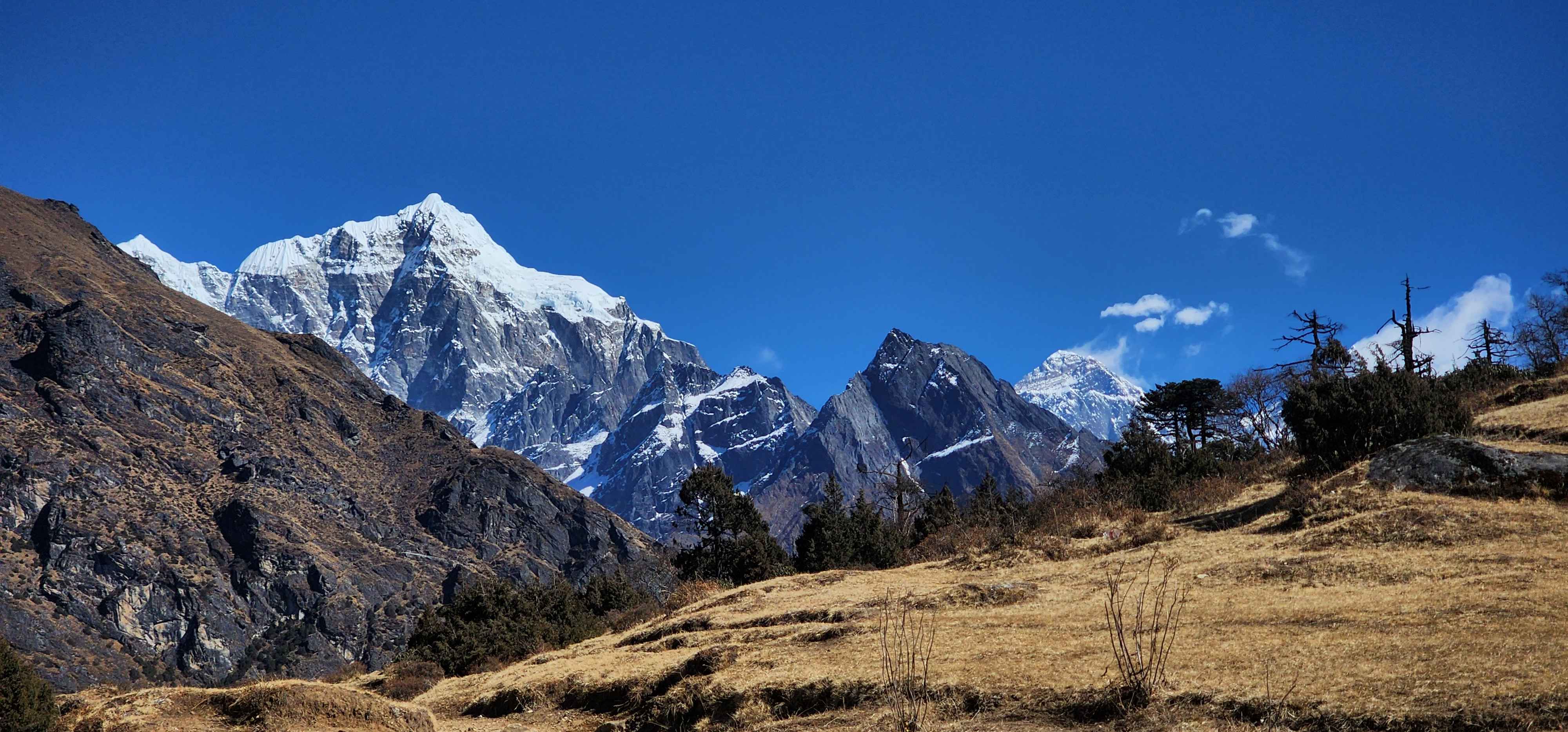
The foundation of Freedom Adventure was the existence of a simple concept that the mountains of Nepal are amazing, that people need to see them, and that the company that brings them there has a role to play in safeguarding that which makes the places worth visiting.
Sustainable tourism is simple at its very core. It means travelling without exhausting the places and communities one is visiting. It implies maintaining natural spaces in their original state, sustaining local economies in an authentic way, and making sure that visiting the place does not erode those things that initially made it a place worth visiting in the first place. Simple in principle. Quite difficult in reality, particularly in a country such as Nepal, where the mountain attracts people the world over and the burden that follows the mountain is seen the most by those that make the mountains their home.
It is one thing to believe in something and constantly do it. This is because of the fact that over the years our knowledge on what sustainable tourism entails has increased significantly. The more we know, the more we perceive how much remains to be done, and the more cautious we are regarding the statements which we make.
We are not a company which has reached to some finished variant of responsible travelling. We are a business that is striving towards it, in a working, clumsy, and good-faith way.
What our guides do in the field
A significant portion of our daily sustainability effort lives with our guides. They spend the seasons of their lives in the field, traveling the same paths and visiting the same villages. They are the first to notice what is changing. Gradually, their awareness has begun to influence the small choices they make on the ground. These practical habits include:
Asking guests to carry reusable bottles and purifying pills rather than buying plastic bottles in the trail.
Choosing teahouses in which ingredients are locally sourced to boost the local economy.
Careful consideration of the times and the areas where the camps should be situated in order not to contribute to the congestion of over-trafficked areas.
Having honest discussions with visitors about the views instead of preaching to them.
They are not huge interventions. They are the types of habits, developed over a long period and applied continuously, which begin to become the culture of a company, as opposed to a policy of a company.
The habits our guides carry on the trail are reinforced by how we prepare as a team. Twice a year, we hold in-house training sessions. These are not just for technical logistics or first aid, but for grounding our team in the ethics of the landscapes we work in. We believe that a company can only be as responsible as the people who represent it.
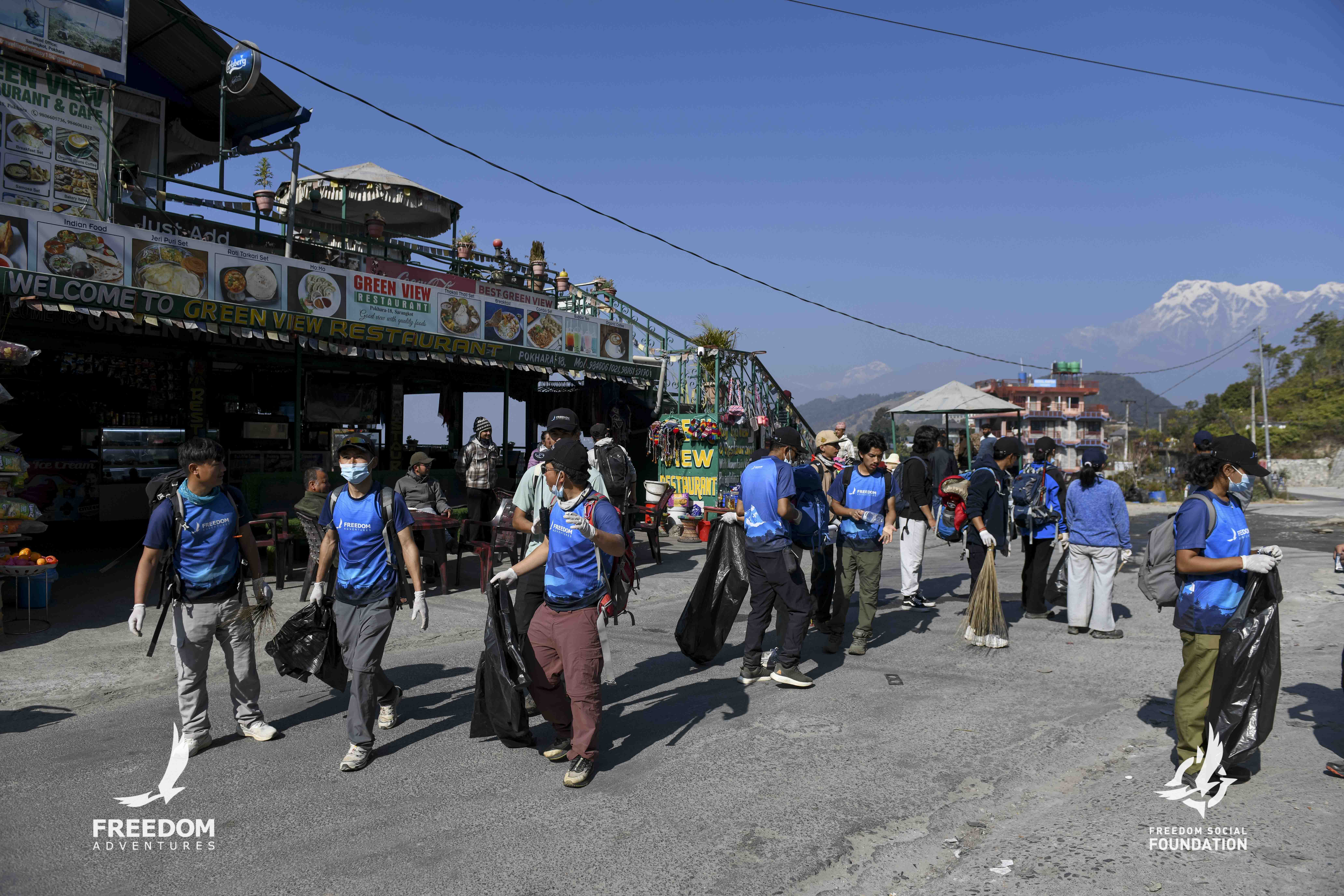
This work is tied to the Freedom Social Foundation, our sister company focused on giving back to the society through things like outdoor education and health campaigns. Last December, for example, the entire team spent a day cleaning the trails in Sarangkot. We don’t see this as a separate project, but as the practical side of living and working in these mountains.
Our Sustainability Workshop
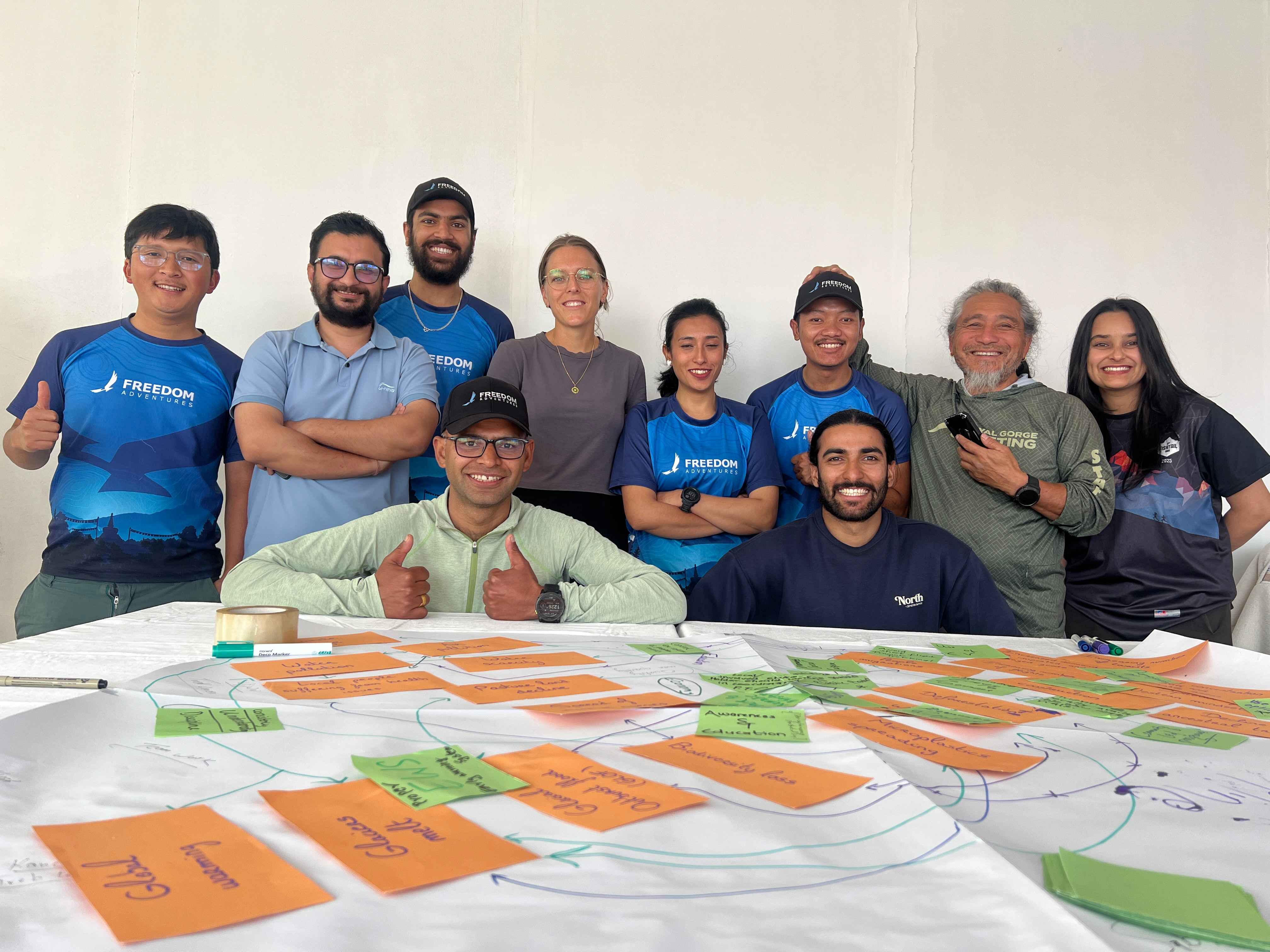
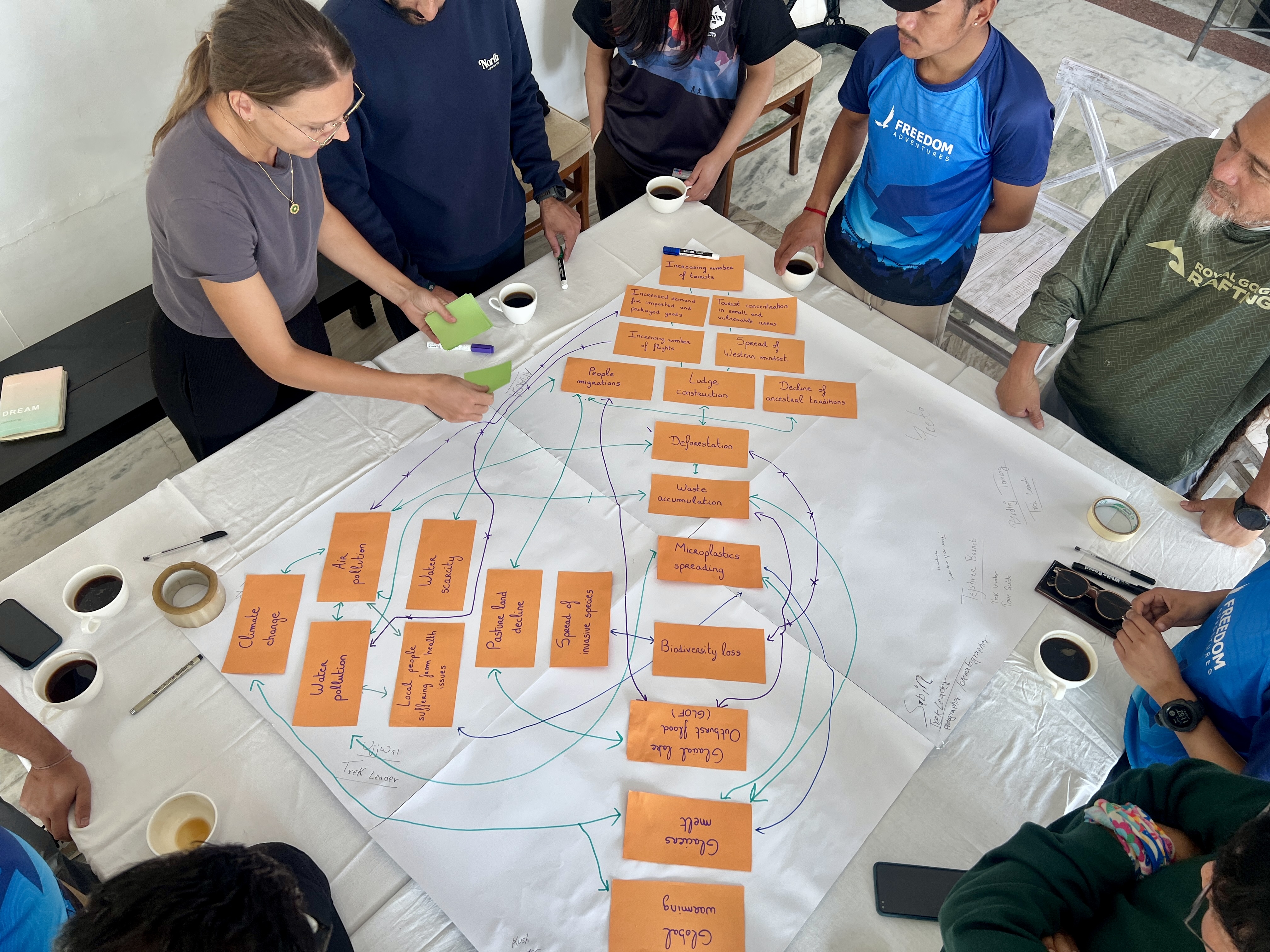
Last week, we had a sustainable tourism management workshop led by Amandine, the founder of Travel Wise. It was the type of meeting we had been longing to have some time: we needed to have a day where our team can sit, observe the bigger picture, think about our position in it.
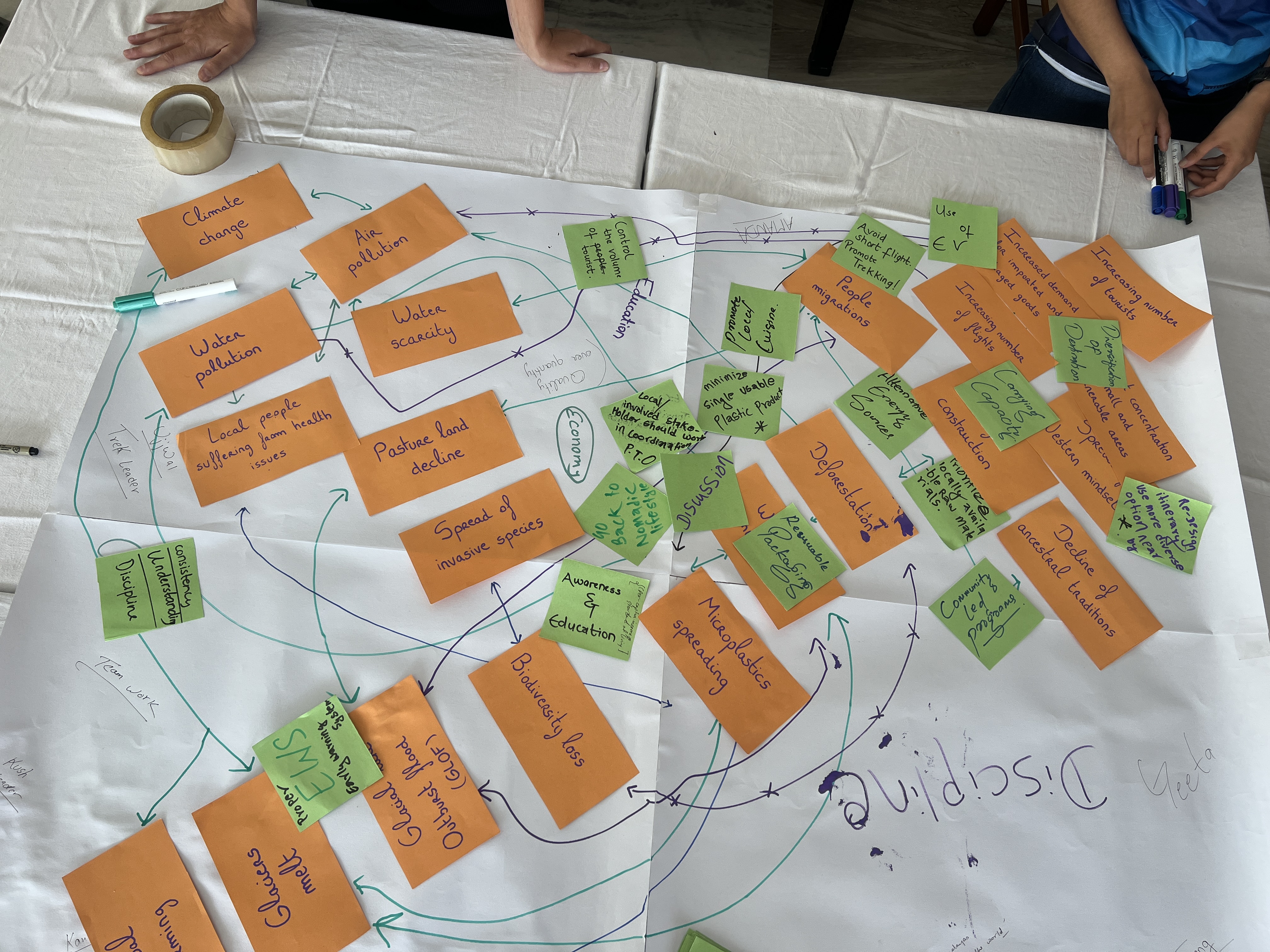
Everything was on the table, from the carrying capacity of the trails to the risks of glacial melting and deforestation. We discussed how the watering down of local food customs and the movement of people out of mountain villages are interconnected. The workshop helped us realize that solutions must also be allied. These solutions include:
Promoting local products and traditional food to preserve culture.
Diversifying routes to ensure that tourist pressure is not centralized in a few spots.
Engaging communities as partners in decisions rather than just service providers
Focusing on smaller, more deliberate groups to reduce environmental impact.
Amandine and the Clean Everest 360 Initiative
She has a decade of experience in environmental and social impact and serves as a certified Green Globe auditor. She does not discuss sustainability as a burden or a compliance exercise, but as something positive and joyful.
People believe that sustainability is boring and limiting, something that is mandatory. but it is all being positive and joyful, done with actual enthusiasm. — Amandine
Since 2024, she has been involved in the Clean Everest 360 initiative, which is a waste management system designed for both the Nepalese and Tibetan sides of Everest. Unlike temporary cleanup campaigns, this project focuses on a long-term, field-based model. Its primary goals include:
Establishing a material recovery plant at 4,000 meters in the village of Pangboche to wash, shred, and recycle plastic waste before it is sent to Kathmandu.
Formulating an environmental charter to address waste issues specific to the Nepalese side of the mountain.
Organizing concrete waste disposal activities in direct collaboration with the expedition companies
·In 2024 alone, the Sagarmatha Pollution Control Committee gathered eighty-five tonnes of waste in the Everest region in the spring alone. The project that is planned to happen at Pangboche is to create something more lasting, infrastructure at an altitude that will be operated by the locals that will be able to work on what the visitors of the mountain have left behind.
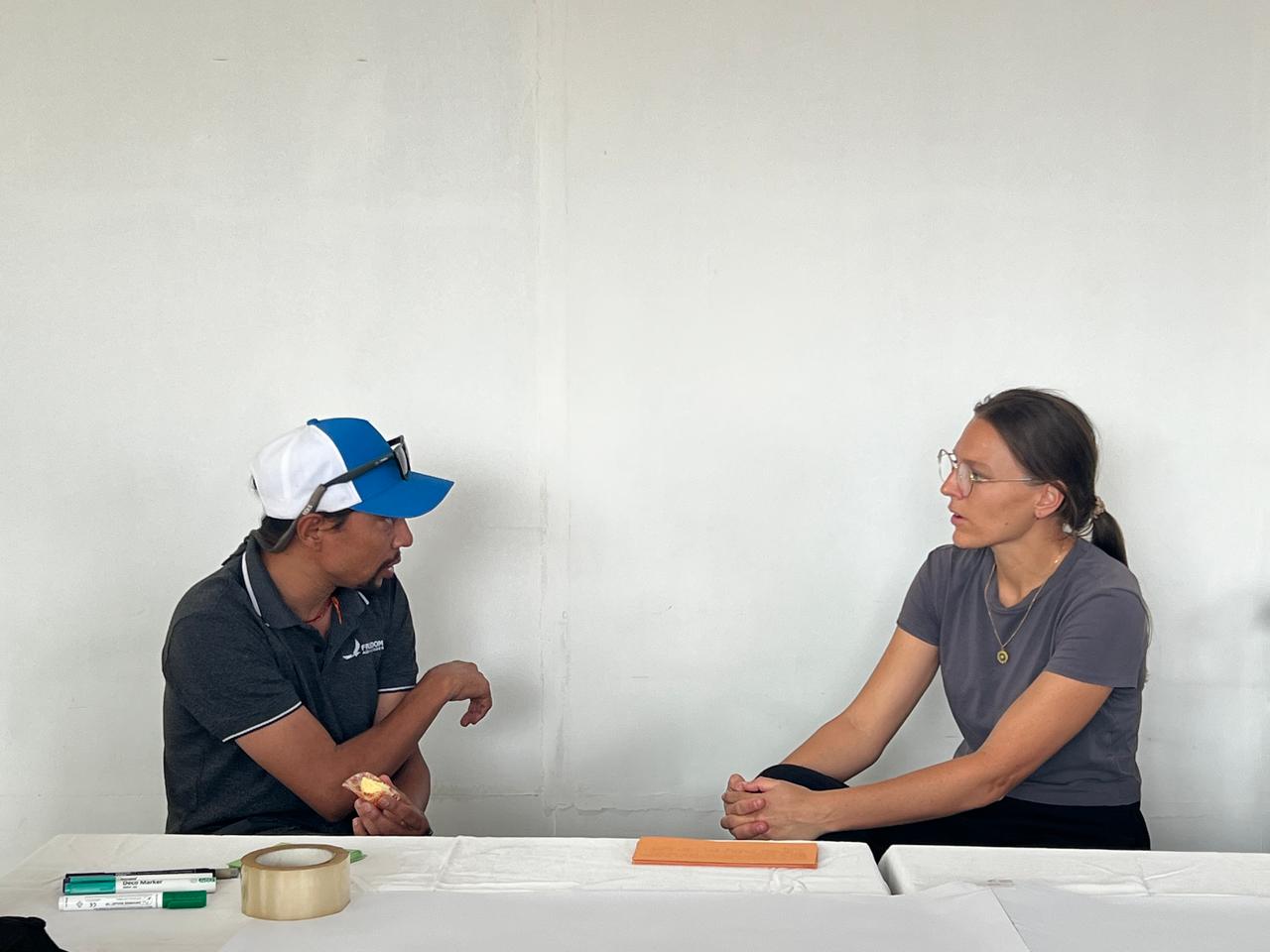
Amandine speaks of what she terms importance of having a broad scope of vision, which she develops through the working of the hospitality, expedition agencies and the entire tourism value chain. It is only through this that you can see how everything is interconnected and thus be able to get solutions that actually hold. .
What Comes Next
The Clean Everest 360 Degree project is expanding. In May, Amandine is heading to Everest Base Camp for a pilot project in collaboration with the Sagarmatha Pollution Control Committee, which is in charge of waste management in the whole Khumbu region. The project is concentrated around the south side of Everest to help SPCC to implement a sustainable waste management system between the base camp to the summit.
Using the experience of the Clean Everest 360 team, which has been working on the north face in Tibet, this project introduces technical competencies to the situation regarding highly specific and frequently neglected issues: human waste management, waste collection and sorting, and the work of ranger groups in the field. The May visit is on testing on the ground real solutions together with the SPCC team and the expedition agencies and not prescribing them externally.
And, as she herself expresses it, there will be many more surprises on the way, depending on people and opportunities which happen to her. Such openness on what the work conveys, maybe, is precisely the reason as to why the work tends to go somewhere.
I always wanted to do something that has impact, something meaningful and positive. — Amandine
That impulse, to find something meaningful and act on it, is what connects her work on Everest to the conversations we had in our workshop to the small decisions our guides make on the trail every day. It does not require a grand programme or a formal strategy. It requires paying attention and caring enough to act on what you see.
We are thankful to Amandine and her experience, how she managed to guide us all through a day of real self-reflection. Her work will still be closely monitored by us and the kind of thought that she embodies will be forwarded by us, both in our own circles and the wider debate on how responsible adventure tourism can be like in Nepal.
What this means for how we think
There is no finish line with this. The mountains keep changing, the industry keeps growing, and the questions keep getting harder. We are at the beginning of something we do not yet fully know the shape of. And that, honestly, feels like exactly the right place to be.
We are not saying that the little bit of progress we are making in our own business is tantamount to creating a waste processing plant at four thousand meters. Still, we do think that the way a firm conducts itself in the field, through all seasons, through all trips, all these are cumulative to something concrete. And what it amounts to, in our case, we do wish to be proud of.
In the words of our founder, Jagannath Timilsina, "I have spent my whole life in these mountains. They raised me, they humbled me, and they gave me a purpose. Every guide we have carries that same feeling into the field. Freedom Adventure was never just a trekking company to me. It was a promise. That we would bring people to these places with care, and leave them better than we found them. We are still working on keeping that promise. We always will be."
KEEP EXPLORING
Uncover similar insights
Day-by-Day Demands, Training Plan, and Mental Grit